Striped Bass
Morone saxatilis — also called rockfish, striper
Virginia's rockfish — a bridge-piling, channel-edge, and creek-mouth predator that runs the tidal rivers in spring and fall and holds in the lower Bay through the cold months.
Typically present

- 17–8 horizontal stripes — 7-8 black horizontal stripes
- 2Two separate dorsal fins — Two dorsal fins, the first spiny
Illustration: Duane Raver / USFWS, U.S. Fish and Wildlife Service — Public domain
- Habitat
- Marshes & creeks, Tidal rivers
- Methods
- Shore, Kayak, Inshore boat
- Typical size
- 18–28 in schoolies
- Eating
- good
Identification
Look for
- Long, silvery, elongated body with 7-8 black horizontal stripes running above and along the lateral line
- Two dorsal fins, the first spiny
- Typical size here
- 18–28 in schoolies
- Notable fish
- Fish past 40 in show at the bridges and in the Bay in the cold months
Tell them apart
Look first: Count the stripes and look at the gap between the dorsal fins.
Striped Bass

| Look at | Striped Bass | |
|---|---|---|
| Stripes | 7–8 dark, unbroken horizontal stripes | No clear stripes — at most faint lines |
| Dorsal fins | Two dorsal fins clearly separated | Dorsal fins joined by a low membrane |
| Body | Long and streamlined | Shorter and deeper-bodied |
| Size | Schoolies from about 18 in; adults past 40 in | Typically 7–10 in; rarely past 14 in |
Local waters
- Tidal rivers and creek mouths
- Bridge pilings and channel edges
- Open Chesapeake Bay in cooler months
Catchable both from shore (shore) and by boat (kayak, inshore boat). 14 spots in this guide document it — see water to try below.
When to fish
Spring and fall runs are most productive; a separate, tightly-regulated winter trophy season exists in parts of the Bay.
Tide stage for this kind of water
Falling water at the creek mouths
From: Reading tides without overthinking themWater temperature
The water, not the calendar, sets the season here — a warm October or a cold snap moves these bands.
Water temperature and the seasonsHow to catch it
- Fall and spring fish stack on bridge pilings and channel edges — cast up-current, let a bucktail or paddletail sink to the pilings, and swim it back through the shadow line.
- Live bait (spot, eel, bunker) drifted or fished on a fish-finder near structure is the most consistent bait method here; the non-offset circle hook is a legal requirement with bait in Virginia tidal waters.
- Low light and moving water beat bright midday; the last hour of light on a falling tide at a creek mouth is the classic schoolie window.
- Match jig weight to the current, not the depth — if the lure is not ticking bottom on the swing, go heavier.
- Common mistakefighting the current with a jig that is too light, so it never reaches the fish.
Bait & lures
- Bucktails and soft plastics
- Live or cut bunker (menhaden)
- Topwater plugs at dawn and dusk in fall
Tackle to start with
Rigs for striped bass
All rigs- Sheet 10Lureintermediate
Bucktail jigging rig
For striped bass, flounder, bluefish, spanish mackerel from inlet, bridge, bay, offshore.
Striped BassFlounderBluefish - Sheet 12Bottombeginner
Striped bass chunk rig (circle hook required)
For striped bass from bay, river, bridge, inlet.
Striped Bass - Sheet 06Lurebeginner
Jig head and soft plastic
For speckled trout, red drum, flounder, striped bass from bay, marsh, inlet, river, lake, bridge.
Speckled TroutRed DrumFlounder
Packing lists written for it
On the table
Firm, mild, large-flaked white flesh that takes almost any method — baked, grilled, or in chowder. Check Virginia consumption advisories for the water you fished, and confirm the current season and limits with VMRC.
- Non-offset circle hooks with bait are required in Virginia tidal waters — and they matter for a clean release.
- Support big fish horizontally; a vertical lip-grip hold on a heavy striper damages the jaw.
- Warm-water releases are hardest on stripers — keep summer fights short and air time under fifteen seconds.
Recipes written for it
Where to try
Water that suits striped bass
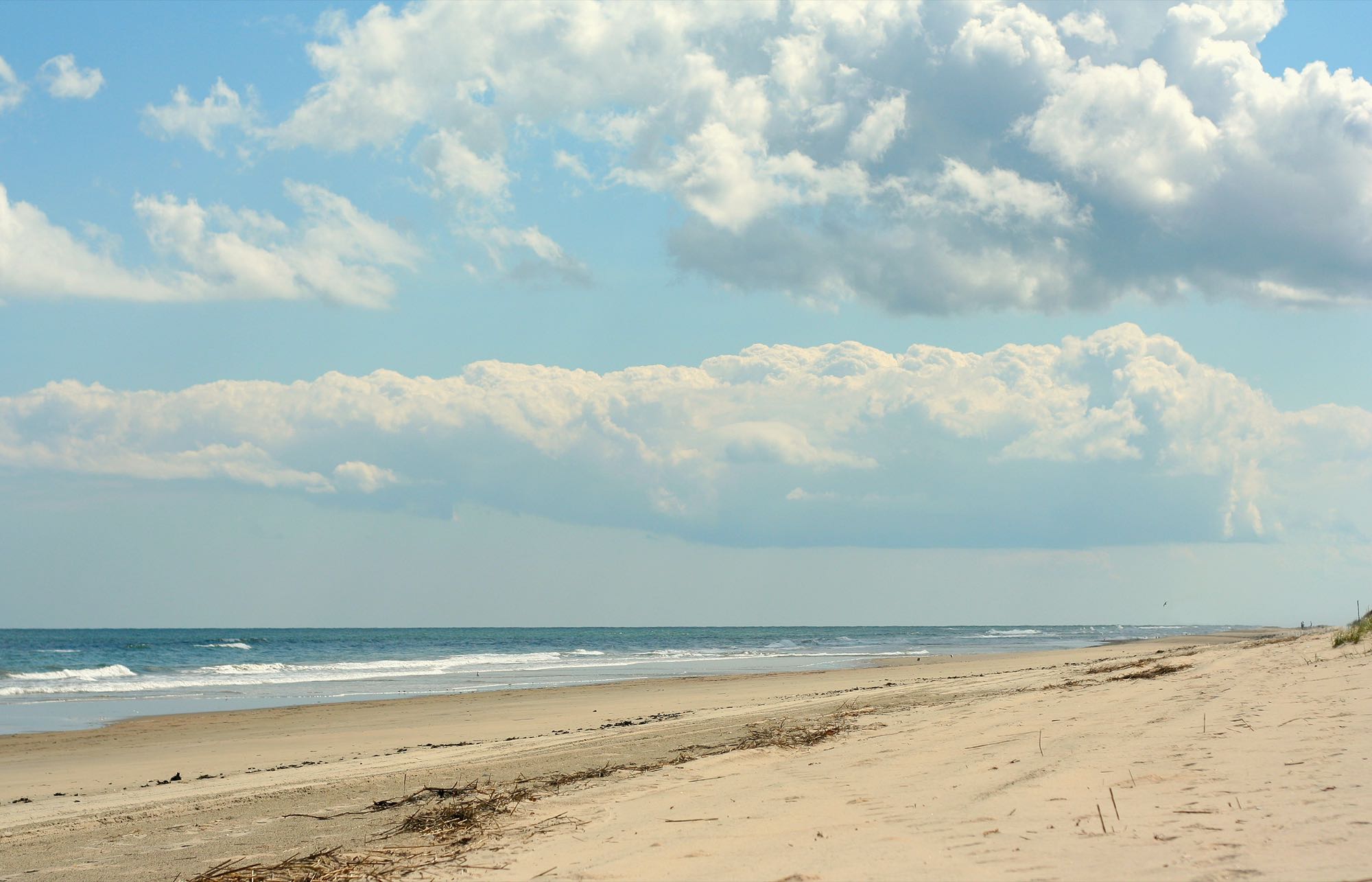
Photo Brent Hoard, CC BY 2.0
BeachSandbridge Beach surf
Open Atlantic beach with sandbars, troughs, and cuts — classic surf fishing with plenty of room to spread out.
4 speciesFamily-friendlyRestrooms- No verified photo yet36.94° N 76.33° WFishing pierShoreline
Ocean View Fishing Pier
Classic pier fishing — spot and croaker thick in late summer, stripers as it cools.
3 speciesFamily-friendlyAccessible features - No verified photo yet37.11° N 76.32° WBeachShoreline
Grandview Nature Preserve shoreline
A long walk-in Bay shoreline backed by marsh — solitude, wading depth, and a genuinely wild feel inside the city.
5 speciesFamily-friendly 
Photo Antony-22, CC BY-SA 4.0 (representative)
ShorelineKayak launchElizabeth River — Downtown Norfolk
Urban stripers around the piers and bridge pilings, best on the spring and fall runs.
2 speciesAccessible features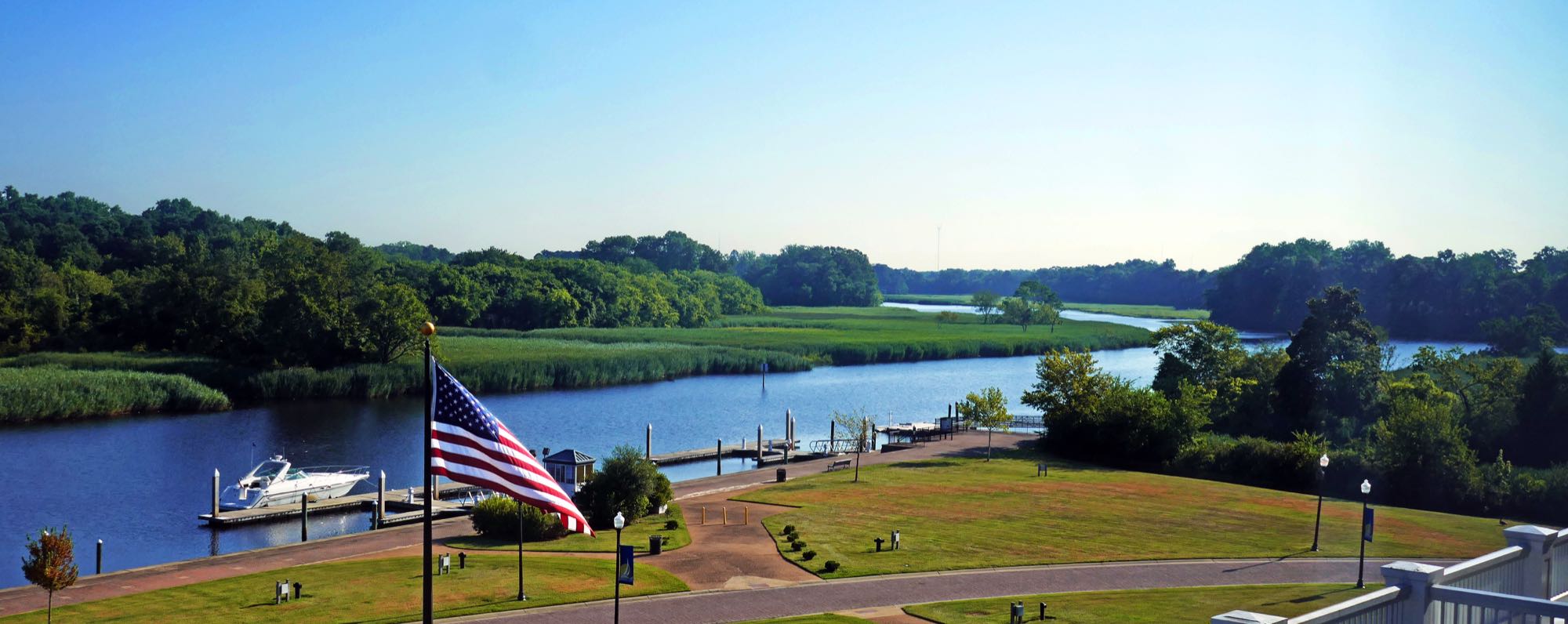
Photo Calstanhope, CC BY-SA 4.0
ShorelineKayak launchBennett's Creek Park — Nansemond River
A free, 56.8-acre city park with three boat ramps and an ADA-accessible crabbing/fishing pier on Bennett's Creek, a Nansemond River tributary — a shaded bend past the second bridge holds fish through the July heat when everywhere else goes dead.
2 speciesFamily-friendlyAccessible features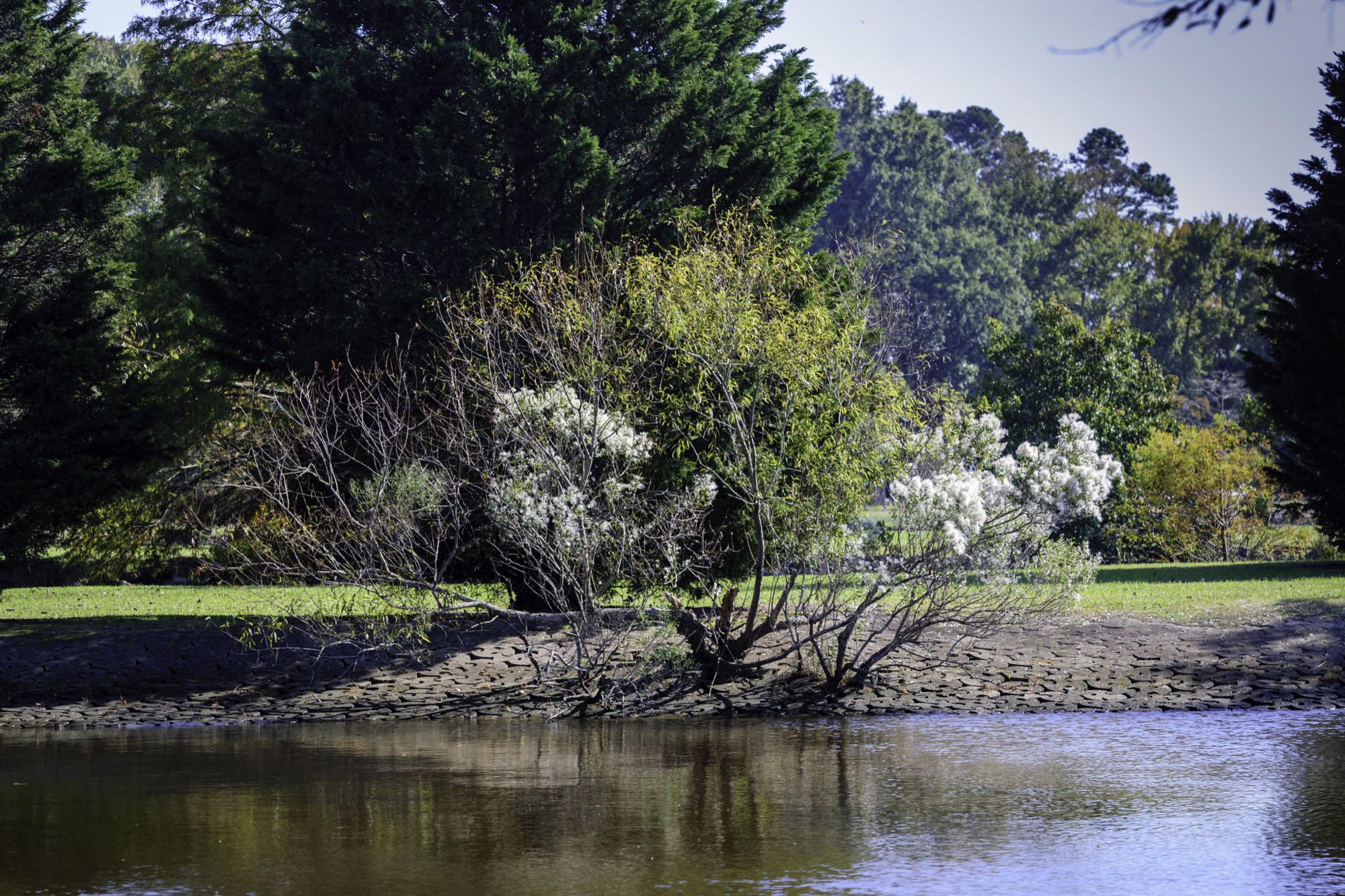
Photo Randy Everette, CC BY-SA 3.0
Kayak launchBoat rampMunden Point Park
Launch before sunrise — the grass line off the point holds bass until boat traffic picks up.
2 speciesAccessible features


