intermediate rig
Lure presentationBucktail jigging rig
Cast up-current, let the jig sink to bottom, then retrieve with a lift-and-drop motion
- Water
- inletbridgebayoffshore
Components
- Main line or leader tied directly to a bucktail jig
- Optional trailer (Gulp!, soft plastic, or bait strip) on the hook
Setup
- Hook
- The jig's built-in hook does the work — match jig weight, not hook size, to conditions.
- Weight
- Jig weight (typically 1/2–2 oz around here) should be just enough to reach and hold the strike zone in the current you're fishing.
- Leader
- A short length of heavier mono or fluorocarbon leader helps with bluefish's teeth and general abrasion around structure.
How to fish it
Cast up-current, let the jig sink to bottom, then retrieve with a lift-and-drop motion — most strikes come as it falls.
When to use it
- Inlet and bridge current on a strong tide, cast up-current and swept back
- Fall striped bass and flounder on the drop-offs
- Birds and bait on the surface — a bucktail casts far and sinks fast
Common mistakes
- Retrieving in a straight, steady pull instead of working the jig with rod-tip lifts, which loses most of its fish-triggering action
Variations
Jig heads and bucktails: the same idea, adjusted
Where to use it
Water this rig is documented for
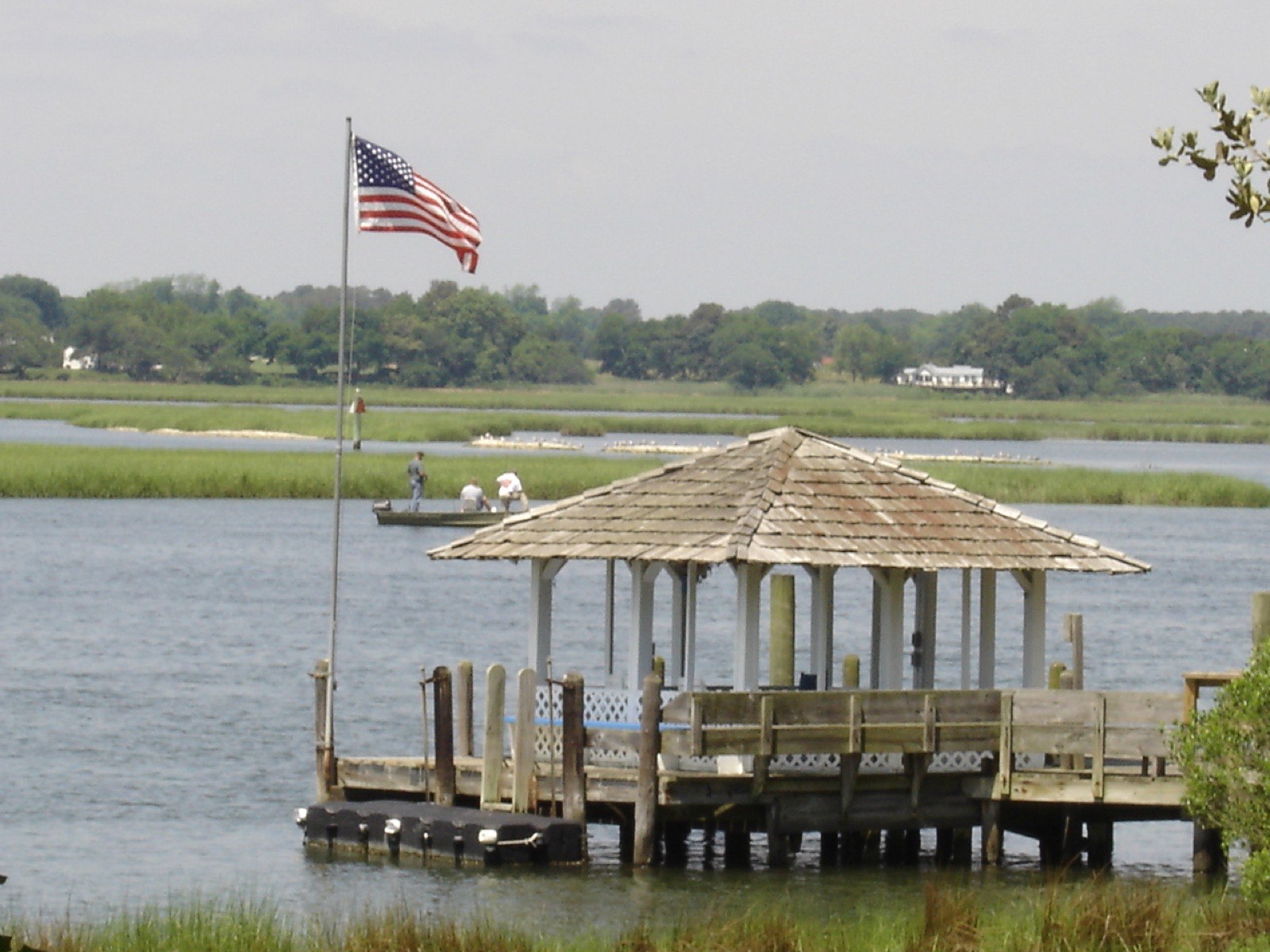
Photo BrandlandUSA, Public domain (representative)
ShorelineKayak launchLynnhaven Inlet — Boat Ramp & Beach Facility
The historic Lynnhaven Fishing Pier closed in 2017 and was sold — today's public access is the city's Lynnhaven Boat Ramp & Beach Facility, plus some bank fishing along the beach and riprap.
3 speciesAccessible features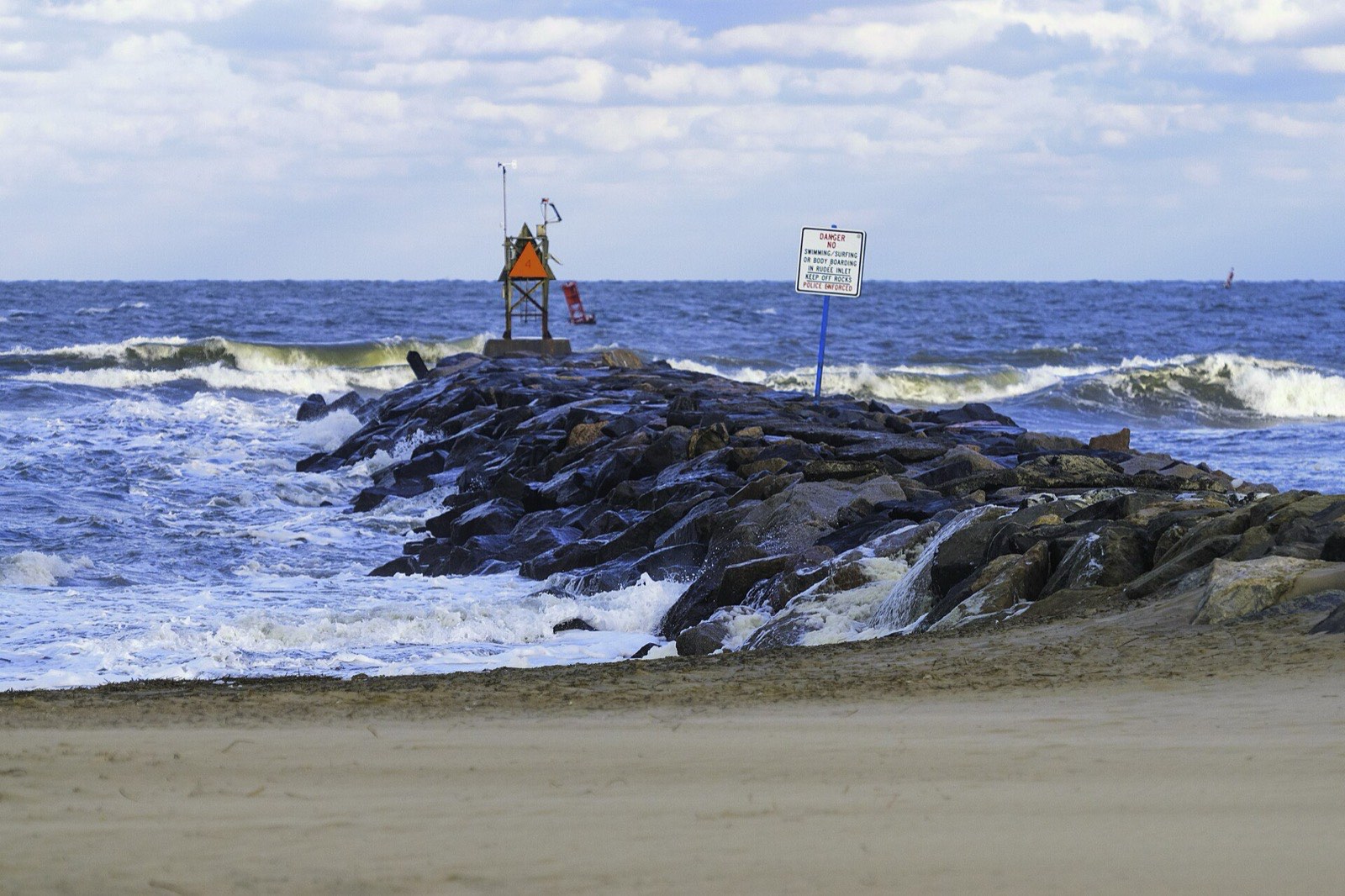
Photo PumpkinSky, CC BY-SA 3.0
ShorelineBeachRudee Inlet jetty & shoreline
Hard structure meeting ocean current — a technical spot that rewards anglers who read moving water.
6 speciesRestrooms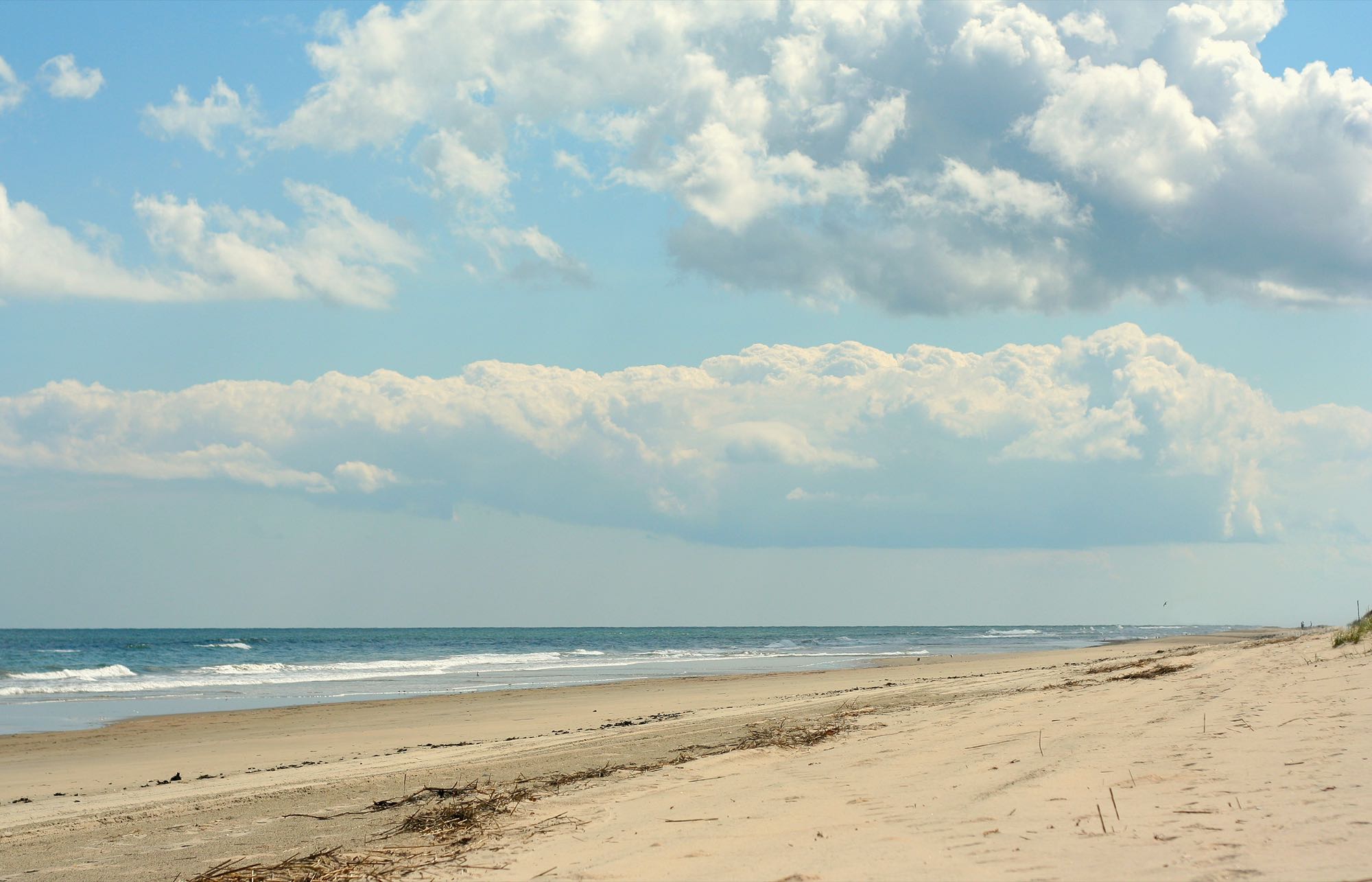
Photo Brent Hoard, CC BY 2.0
BeachSandbridge Beach surf
Open Atlantic beach with sandbars, troughs, and cuts — classic surf fishing with plenty of room to spread out.
4 speciesFamily-friendlyRestrooms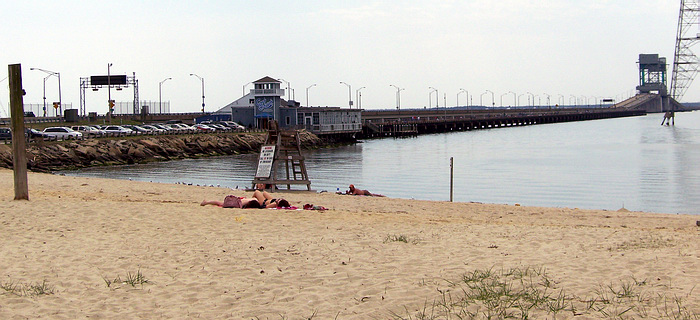
Photo Mytwocents, CC BY-SA 3.0
Fishing pierShorelineJames River pier & shoreline
Long tidal-river pier reaching out over deep water, mixing saltwater panfish with tidal-river species.
5 speciesFamily-friendlyAccessible featuresRestrooms- No verified photo yet37.11° N 76.32° WBeachShoreline
Grandview Nature Preserve shoreline
A long walk-in Bay shoreline backed by marsh — solitude, wading depth, and a genuinely wild feel inside the city.
5 speciesFamily-friendly - No verified photo yet36.82° N 76.29° WShorelinePark
Portsmouth city park shoreline
Urban tidal-river access with parking, restrooms, and level ground — a practical after-work or with-kids option.
4 speciesFamily-friendlyAccessible featuresRestrooms


