White Perch
Morone americana
A small, silver, stripe-less relative of the striped bass found in nearly every tidal river and creek — a spring-run staple and a year-round panfish.
Typically present

- 1No stripes — with no stripes at all
- 2Dorsal fins joined — Dorsal fins joined by a low membrane
Photo: Sherman Foote Denton / NY Forest, Fish & Game Commission (1900 plate), New York Forest, Fish and Game Commission — Public domainLong edge is 1200px, below this project's 1600px preference. Accepted because it is the best rights-clear, correctly-identified photo found for this species — see SPECIES_PHOTO_AUDIT.md for the source search record.
- Habitat
- Marshes & creeks, Tidal rivers
- Methods
- Shore, Kayak, Freshwater
- Typical size
- 7–10 in
- Eating
- good
Identification
Look for
- Solid silvery-gray above fading to silvery-white below, with no stripes at all — the quickest tell versus white bass (faint horizontal stripes, one or two reaching the tail)
- Small (typically 7-10"), deep-bodied; a notch, not a full separation, between the spiny and soft dorsal fins
- Typical size here
- 7–10 in
- Notable fish
- 12 in-plus fish on the spring run
Tell them apart
Look first: Count the stripes and look at the gap between the dorsal fins.
White Perch

| Look at | White Perch | |
|---|---|---|
| Stripes | No clear stripes — at most faint lines | 7–8 dark, unbroken horizontal stripes |
| Dorsal fins | Dorsal fins joined by a low membrane | Two dorsal fins clearly separated |
| Body | Shorter and deeper-bodied | Long and streamlined |
| Size | Typically 7–10 in; rarely past 14 in | Schoolies from about 18 in; adults past 40 in |
Local waters
- Tidal rivers and creek mouths
- Freshwater lakes connected to tidal systems
Catchable both from shore (bank/shore) and by boat (kayak). 1 spot in this guide document it — see water to try below.
When to fish
Spring spawning run is most popular; present year-round in tidal rivers.
Tide stage for this kind of water
Falling water at the creek mouths
From: Reading tides without overthinking themWater temperature
The water, not the calendar, sets the season here — a warm October or a cold snap moves these bands.
Water temperature and the seasonsHow to catch it
- Small minnows, grass shrimp, or bloodworm on a light two-hook bottom rig in the tidal creeks and river mouths, especially on the spring run.
- Small jigs and inline spinners retrieved slowly along the bank take the bigger fish.
Bait & lures
- Small minnows or grass shrimp
- Small jigs and spinners
Rigs for white perch
All rigs- Sheet 05Bottombeginner
High-low (double-drop) bottom rig
For spot, croaker, whiting (southern kingfish), black drum from pier, bridge, surf.
SpotCroakerWhiting (Southern Kingfish) - Sheet 14Floatbeginner
Panfish float rig
For crappie, yellow perch, white perch, chain pickerel from lake, river, marsh.
CrappieYellow PerchWhite Perch - Sheet 02Bottombeginner
Standard bottom rig (single hook)
For spot, croaker, whiting (southern kingfish), white perch from pier, bridge, surf, bay.
SpotCroakerWhiting (Southern Kingfish)
Packing lists written for it
On the table
Sweet, firm little fillets — pan-fry, or fry small ones whole; a spring-run staple. Confirm current limits with DWR or VMRC for the water you fished.
- Sharp spines on the dorsal fin and gill cover — grip from below; ice at once.
Recipes written for it
Where to try
Water that suits white perch
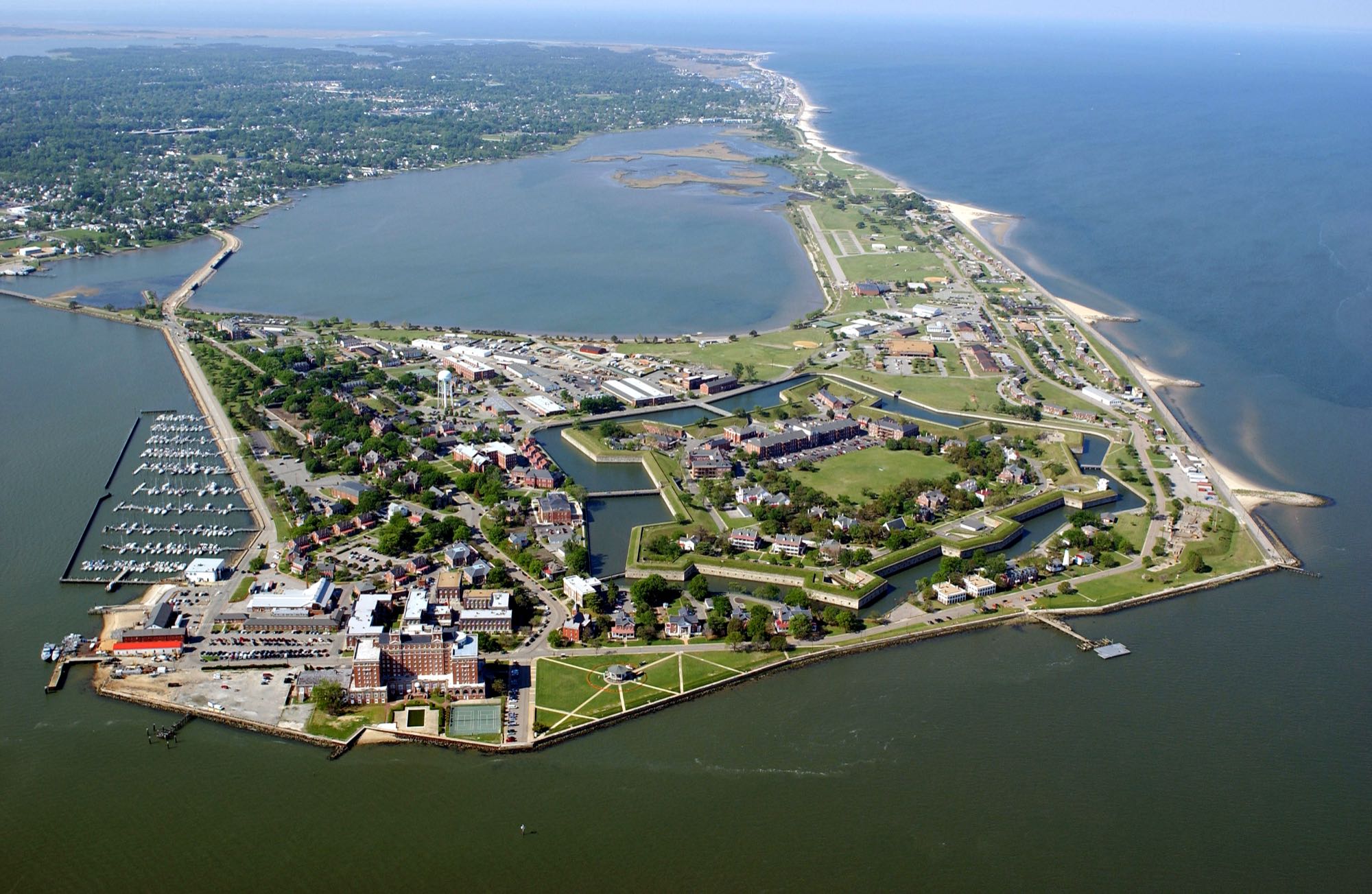
Photo Fort Monroe Garrison Photographer / U.S. Army, Public domain
Fishing pierShorelineFort Monroe — Fishing Piers
Historic Old Point Comfort at the mouth of the Chesapeake Bay. Engineer Wharf is the well-known pier here, but it's currently closed for repairs — the nearby Finger Pier is open in the meantime.
2 speciesFamily-friendly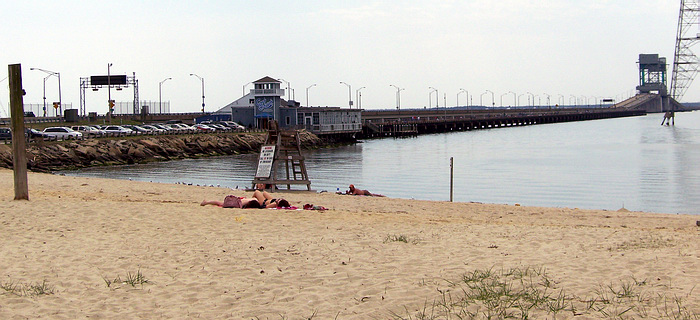
Photo Mytwocents, CC BY-SA 3.0
Fishing pierShorelineHabitat matchJames River pier & shoreline
Long tidal-river pier reaching out over deep water, mixing saltwater panfish with tidal-river species.
5 speciesFamily-friendlyAccessible featuresRestrooms- No verified photo yet37.11° N 76.32° WKayak launchShorelineHabitat match
Poquoson marsh kayak launch
Quiet grass-and-creek country for paddlers — shallow water, oyster bars, and very little boat pressure.
4 speciesFamily-friendly - No verified photo yet37.11° N 76.32° WBeachShorelineHabitat match
Grandview Nature Preserve shoreline
A long walk-in Bay shoreline backed by marsh — solitude, wading depth, and a genuinely wild feel inside the city.
5 speciesFamily-friendly - No verified photo yet36.82° N 76.29° WShorelineParkHabitat match
Portsmouth city park shoreline
Urban tidal-river access with parking, restrooms, and level ground — a practical after-work or with-kids option.
4 speciesFamily-friendlyAccessible featuresRestrooms - No verified photo yet36.75° N 76.63° WShorelineBoat rampHabitat match
Suffolk reservoir shoreline
Cypress-lined municipal reservoir water — quiet freshwater fishing with permit requirements and posted rules.
2 speciesFamily-friendly

