Speckled Trout
Cynoscion nebulosus — also called spotted seatrout, speck
The marsh and grass-flat fish of Lynnhaven, Rudee, Poquoson, and the York — spotted, silver, and best on a popping cork or a slow-worked soft plastic from spring into early winter.
Typically present

- 1Round black spots — Round black spots scattered on the back
- 2Spots on the second dorsal — second dorsal fin
- 3Spots onto the tail — extending onto the second dorsal fin and tail
- 4Lower jaw longer — lower jaw extending past the upper
Illustration: Duane Raver / USFWS, U.S. Fish and Wildlife Service — Public domain
- Habitat
- Inshore waters, Marshes & creeks
- Methods
- Shore, Kayak, Inshore boat
- Typical size
- 14–20 in
- Eating
- good
Identification
Look for
- Round black spots scattered on the back, upper sides, and extending onto the second dorsal fin and tail — the tail spotting is the key tell
- Silvery-gray to greenish above, fading white on the belly; long pointed head with the lower jaw extending past the upper
- Typical size here
- 14–20 in
- Notable fish
- 24 in-plus 'gator' trout, most often in fall and early winter
Tell them apart
Look first: Check whether the spots run onto the tail and dorsal fin.
Speckled Trout

| Look at | Speckled Trout | |
|---|---|---|
| Spots | Distinct round black spots on the back that continue onto the second dorsal fin and tail | Small, diffuse spots in loose diagonal rows; none on the fins |
| Fins | Grey to dusky | Yellow-tinged, especially the pelvic and anal fins |
| Colour | Silvery grey with a greenish back | Iridescent lavender, blue, and copper on the back and sides |
| Mouth | Two canine fangs in the upper jaw — both species have them | Same fangs; the mouth tears easily, hence 'weak' fish |
Local waters
- Grass flats
- Creek mouths and marsh edges
- Deep holes in cold weather
Catchable both from shore (shore) and by boat (kayak, inshore boat). 7 spots in this guide document it — see water to try below.
When to fish
Spring through fall, tapering off in cold snaps — trout often bunch up in deep holes over winter.
Tide stage for this kind of water
Rising water on the flats
From: Reading tides without overthinking themWater temperature
The water, not the calendar, sets the season here — a warm October or a cold snap moves these bands.
Water temperature and the seasonsHow to catch it
- A popping cork with a live shrimp or a three-to-four-inch soft plastic hanging 18 to 30 inches below it, popped every 10 to 15 seconds and left still between pops, is the surest way to find trout on a grass flat.
- Jig heads (1/8 to 1/4 oz) with paddletails: cast across the current, let it sink, then a slow twitch-and-fall along grass edges and creek mouths; most bites come on the fall.
- Cold snaps push trout into deep holes and channel bends — slow everything down and crawl a jig along the bottom or work a suspending twitchbait.
- Topwater walkers at first light in fall over the grass, then switch to plastics once the sun is up.
- Common mistakefishing too fast and too heavy — trout hit a bait that hangs in the water.
Bait & lures
- Live shrimp or minnows under a popping cork
- Soft plastic jerkbaits
- Topwater walkers early and late in the day
Tackle to start with
Rigs for speckled trout
All rigs- Sheet 03Floatbeginner
Popping cork rig
For speckled trout, red drum, flounder from bay, marsh, inlet.
Speckled TroutRed DrumFlounder - Sheet 08Floatbeginner
Slip-float rig
For speckled trout, red drum, crappie, white perch from bay, marsh, river, lake.
Speckled TroutRed DrumCrappie - Sheet 06Lurebeginner
Jig head and soft plastic
For speckled trout, red drum, flounder, striped bass from bay, marsh, inlet, river, lake, bridge.
Speckled TroutRed DrumFlounder
Packing lists written for it
On the table
Delicate, sweet, fine-flaked — best the day it is caught, pan-seared or baked simply; it does not freeze well. Confirm current limits with VMRC.
- A delicate fish with a soft mouth — wet hands, a rubber net, no hot decks, and a quick release.
- For the table, bleed and ice at once; trout flesh softens fast in warm weather.
Recipes written for it
Where to try
Water that suits speckled trout
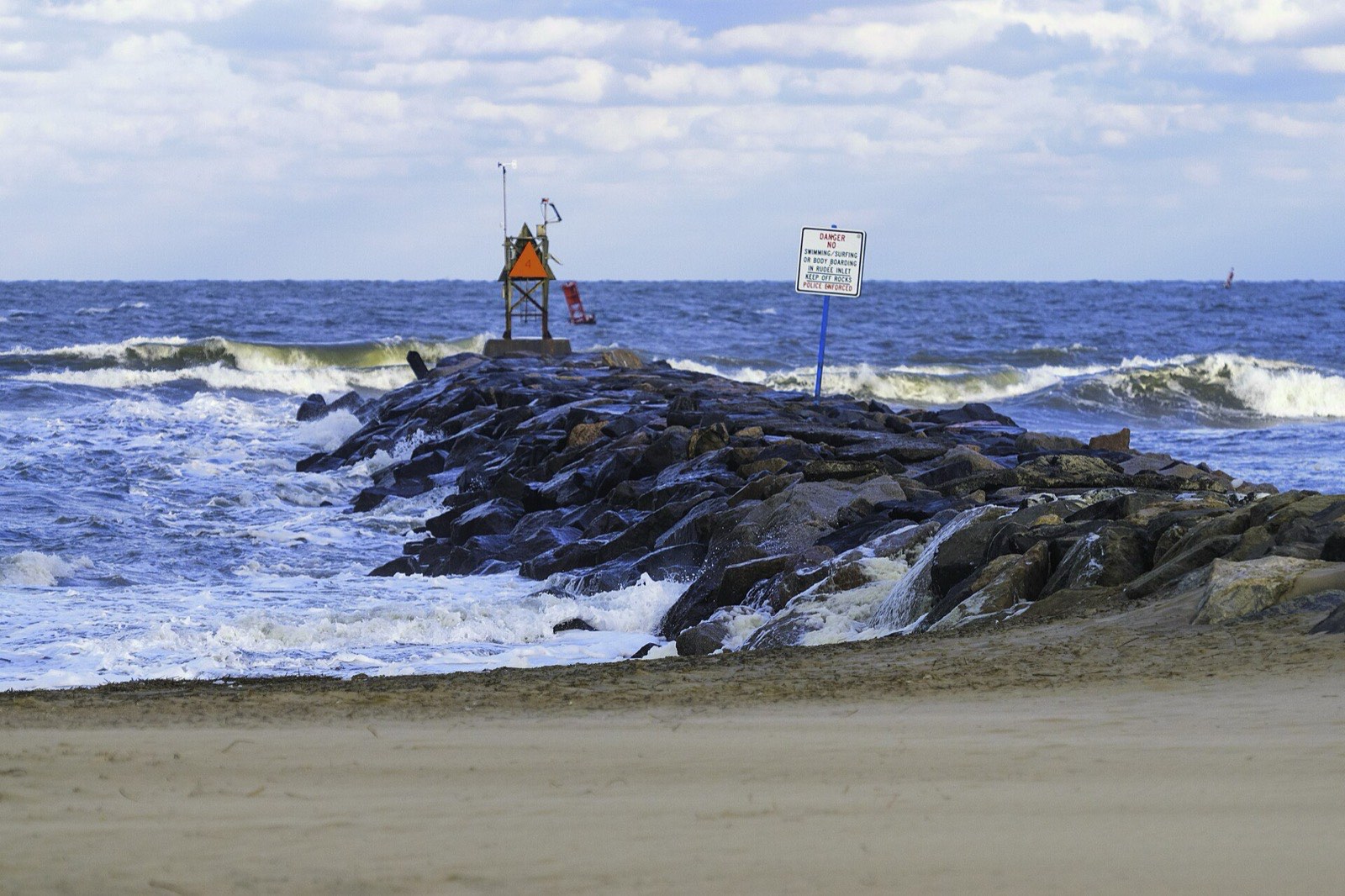
Photo PumpkinSky, CC BY-SA 3.0
ShorelineBeachRudee Inlet jetty & shoreline
Hard structure meeting ocean current — a technical spot that rewards anglers who read moving water.
6 speciesRestrooms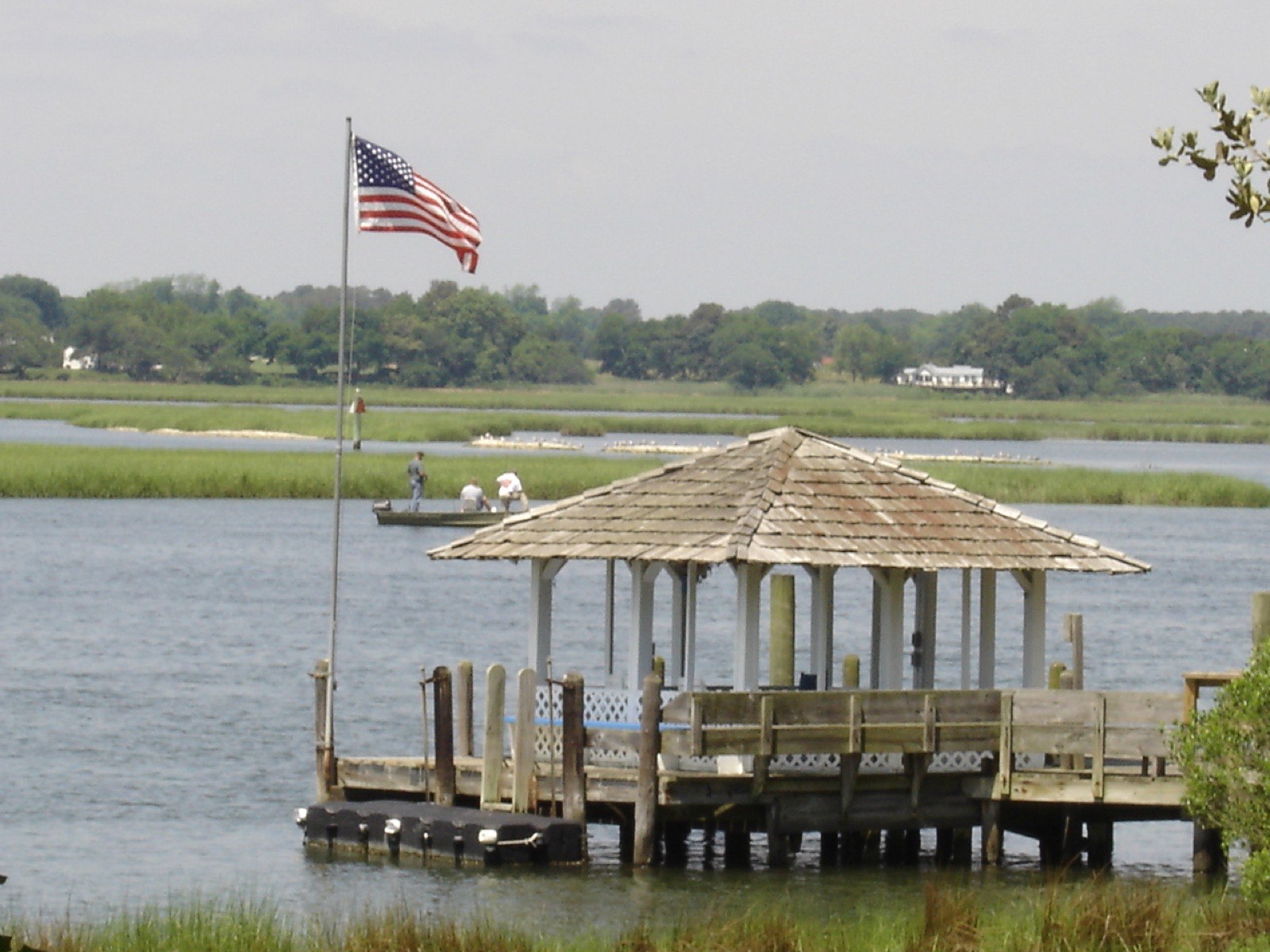
Photo BrandlandUSA, Public domain (representative)
ShorelineKayak launchLynnhaven Inlet — Boat Ramp & Beach Facility
The historic Lynnhaven Fishing Pier closed in 2017 and was sold — today's public access is the city's Lynnhaven Boat Ramp & Beach Facility, plus some bank fishing along the beach and riprap.
3 speciesAccessible features- No verified photo yet37.11° N 76.32° WBeachShoreline
Grandview Nature Preserve shoreline
A long walk-in Bay shoreline backed by marsh — solitude, wading depth, and a genuinely wild feel inside the city.
5 speciesFamily-friendly 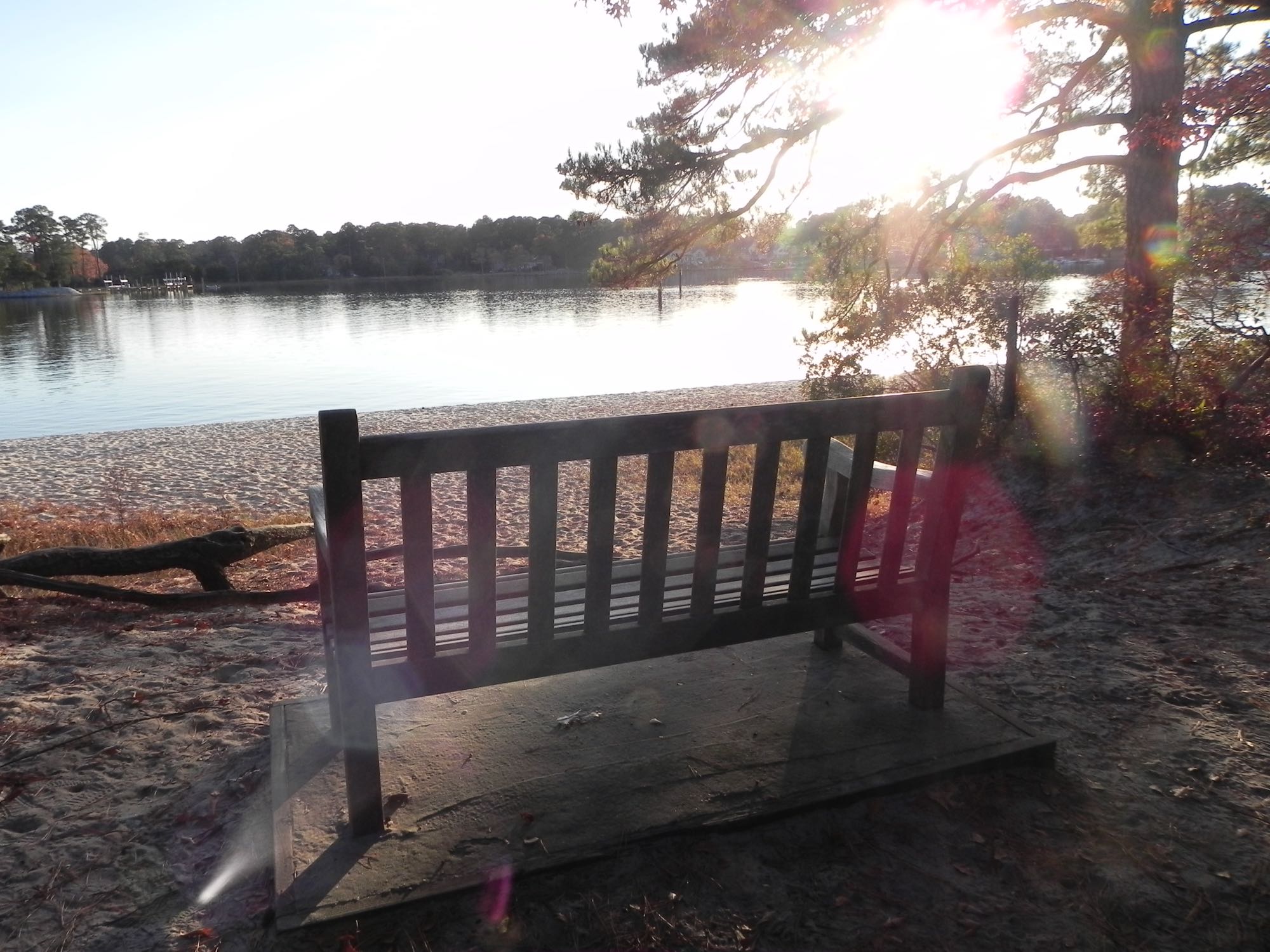
Photo Virginia State Parks staff, CC BY 2.0
ShorelineKayak launchFirst Landing — Broad Bay
Grass flats inside the bay — good early-morning kayak water for trout and small drum.
1 speciesAccessible features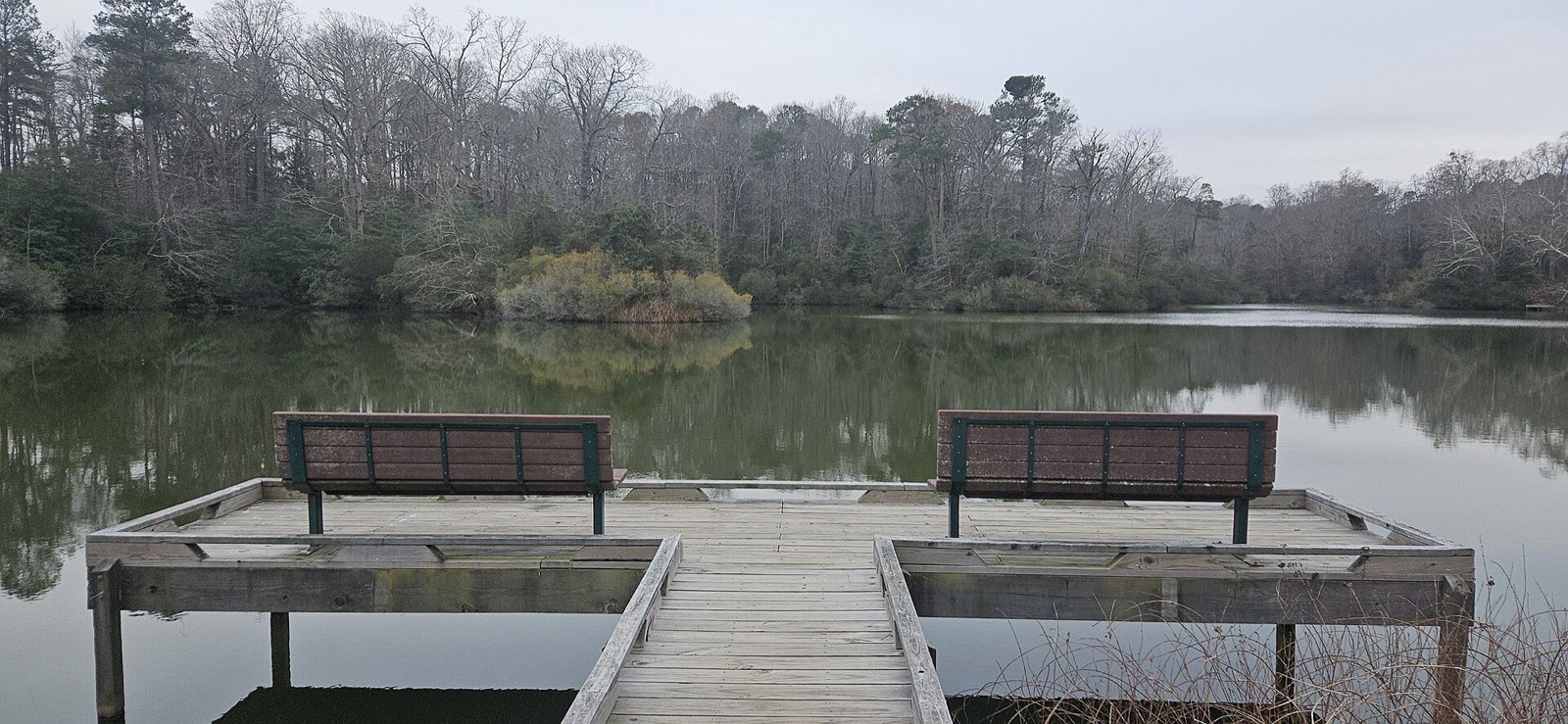
Photo OmegaFallon, CC BY 4.0
ShorelineKayak launchYork River State Park
Marsh-lined shoreline with easy kayak launch and steady summer bottom fishing.
3 speciesFamily-friendlyAccessible features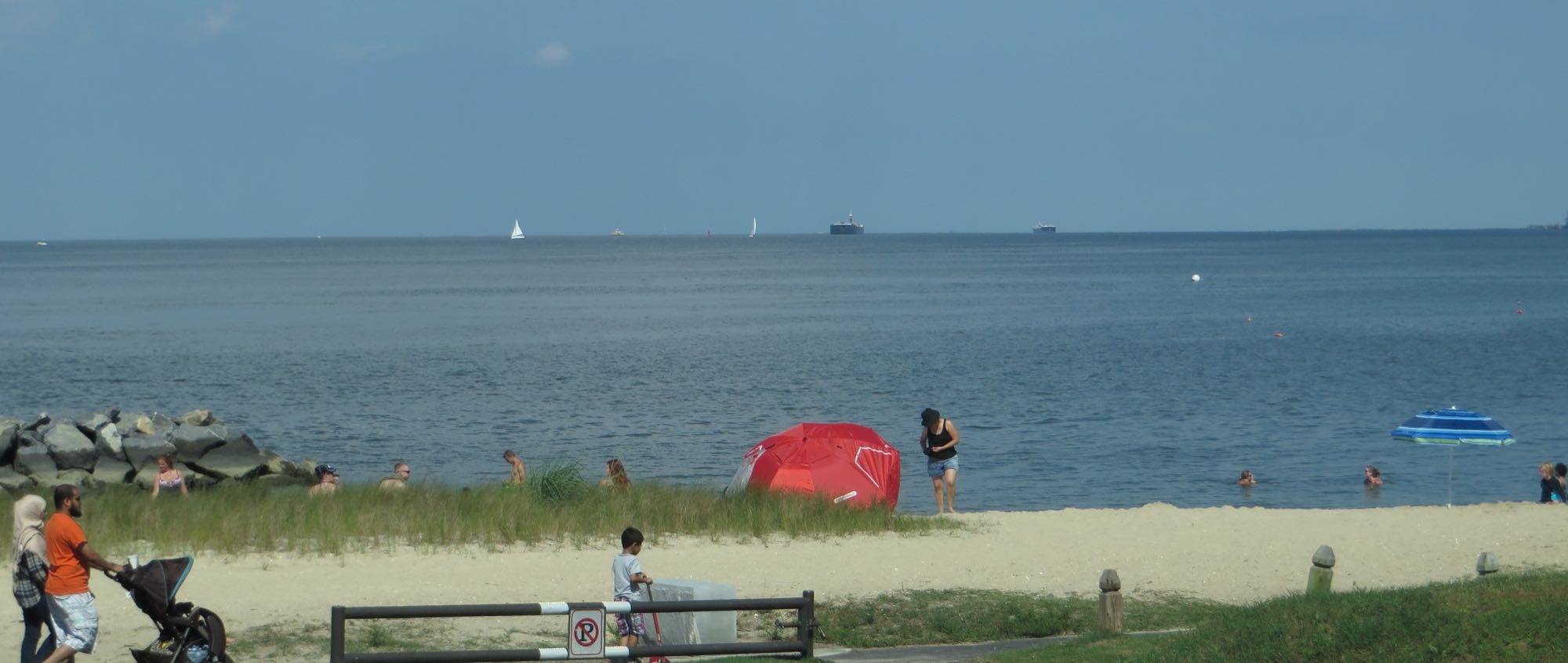
Photo Ken Lund, CC BY-SA 2.0
Fishing pierShorelineYorktown Beach & Fishing Pier
A free, ADA-accessible pier on the York River in Historic Yorktown — no fishing license needed from the pier itself, open nearly around the clock.
4 speciesFamily-friendlyAccessible features


