Red Drum
Sciaenops ocellatus — also called redfish, puppy drum (small), bull red (large), channel bass
The coast's signature inshore fish: coppery, tail-spotted, and reachable from the surf, the inlets, and the marsh flats — from slot-sized puppy drum to bull reds past forty inches.
Typically present

- 1Tail spot — black ocellated (eye-like) spots at the base of the tail
- 2No chin barbels — No barbels (whiskers) on the chin
- 3Coppery bronze — Coppery-bronze body
- 4Gently sloped back — Streamlined body
Illustration: Duane Raver / USFWS, U.S. Fish and Wildlife Service — Public domain

Fig. 42b.Tail spots — several on this fish
Photo: J. Deeds / U.S. Food and Drug Administration, U.S. Food and Drug Administration — Public domain (U.S. government work)
- Habitat
- Inshore waters, Inlets
- Methods
- Inshore boat, Surf, Pier
- Typical size
- 16–27 in 'puppy drum' inshore and at the inlets
- Eating
- good
Identification
Look for
- Coppery-bronze body with one or more black ocellated (eye-like) spots at the base of the tail — some fish have several spots, a few have none
- No barbels (whiskers) on the chin
- Streamlined body, slightly forked/lunate tail, and a rounded pectoral fin
- Typical size here
- 16–27 in 'puppy drum' inshore and at the inlets
- Notable fish
- Bull reds past 40 in in the lower Bay and surf, mostly late summer into fall
Tell them apart
Look first: Look under the chin: black drum wear barbels, red drum never do.
Red Drum

| Look at | Red Drum | |
|---|---|---|
| Chin | No barbels | 10–14 pairs of short barbels |
| Tail | One or more black, ringed spots at the tail base (rarely none) | No tail spot |
| Colour | Coppery bronze to red, lighter below | Grey to black; juveniles carry 4–5 dark vertical bars |
| Profile | Streamlined, gently sloped back | Deep body with a high, arched back |
Local waters
- Grass flats and shallow bays
- Inlets and surf
- Oyster reefs
Catchable both from shore (surf, pier) and by boat (inshore boat). 4 spots in this guide document it — see water to try below.
When to fish
Late summer through fall, with a smaller spring push on the flats.
Tide stage for this kind of water
Rising water on the flats
From: Reading tides without overthinking themWater temperature
The water, not the calendar, sets the season here — a warm October or a cold snap moves these bands.
Water temperature and the seasonsHow to catch it
- Slot-sized puppy drum feed head-down on flats and creek edges — a Carolina-rigged chunk of mullet or crab left still on the bottom outfishes a moving lure when the water is dirty.
- In the surf, cast into the trough just behind the first bar rather than as far as you can; drum travel that lane, and a bait forty yards out is often past them.
- Sight-fish the flats and marsh edges on a rising tide with a gold spoon or a paddletail, worked slow enough to tick the grass.
- Big drum on bait get a non-offset circle hook and a rod left in the spike: let the fish load the rod, then lift steadily — no strike.
- Common mistakesetting the hook hard on a circle hook, and fishing eight ounces of lead where three would hold.
Bait & lures
- Cut mullet or crab fished on bottom
- Gold spoons
- Soft plastic paddletails
Tackle to start with
- Rod
- 7–7½ ft medium to medium-heavy spinning inshore; 10–12 ft surf rod for bull reds in the wash
- Line
- 15–20 lb braid inshore; 20–30 lb braid or 17–20 lb mono in the surf
- Leader
- 20–30 lb fluorocarbon inshore; 40–60 lb mono for big drum on bait
- Hooks
- 1/0–3/0 for cut and live bait on slot fish; 7/0–9/0 non-offset circle hooks for big bait
Rigs for red drum
All rigs- Sheet 09Bottombeginner
Fish-finder rig (Carolina style)
For flounder, red drum, black drum, channel catfish from inlet, river, bay, bridge.
FlounderRed DrumBlack Drum - Sheet 03Floatbeginner
Popping cork rig
For speckled trout, red drum, flounder from bay, marsh, inlet.
Speckled TroutRed DrumFlounder - Sheet 08Floatbeginner
Slip-float rig
For speckled trout, red drum, crappie, white perch from bay, marsh, river, lake.
Speckled TroutRed DrumCrappie
Packing lists written for it
On the table
Mild, firm, and moderately flaky — slot-sized fish are the table fish; big bulls are coarse and are released anyway. Blackened, grilled 'on the half shell' with the scales on, or in tacos. Confirm current limits with VMRC before keeping.
- Bull reds are decades-old breeding fish — keep them in the water, support the belly, and release quickly.
- Slot fish for the table: bleed and ice immediately, and leave the scales on if you plan to cook it 'on the half shell'.
Recipes written for it
Where to try
Water that suits red drum
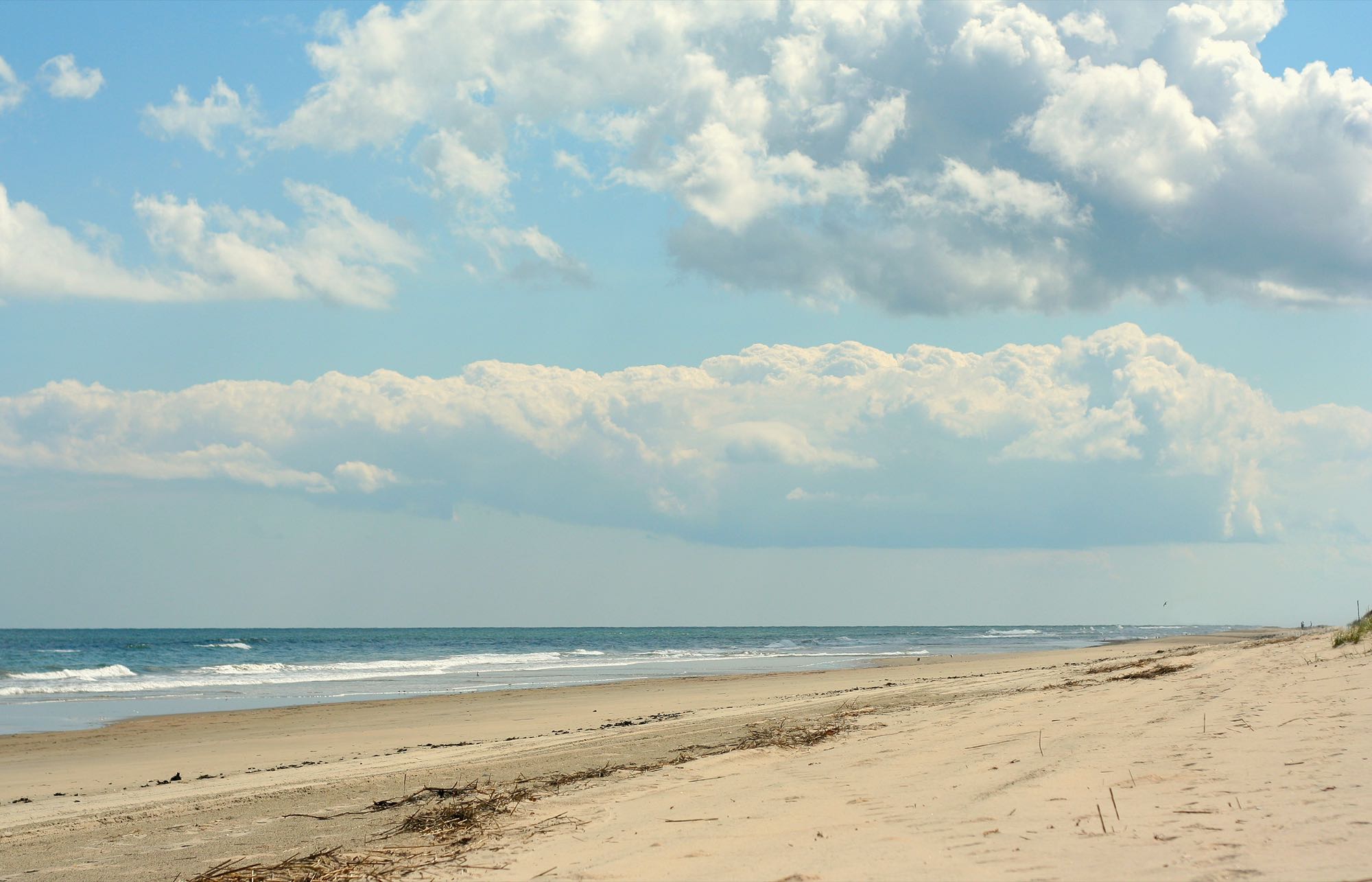
Photo Brent Hoard, CC BY 2.0
BeachSandbridge Beach surf
Open Atlantic beach with sandbars, troughs, and cuts — classic surf fishing with plenty of room to spread out.
4 speciesFamily-friendlyRestrooms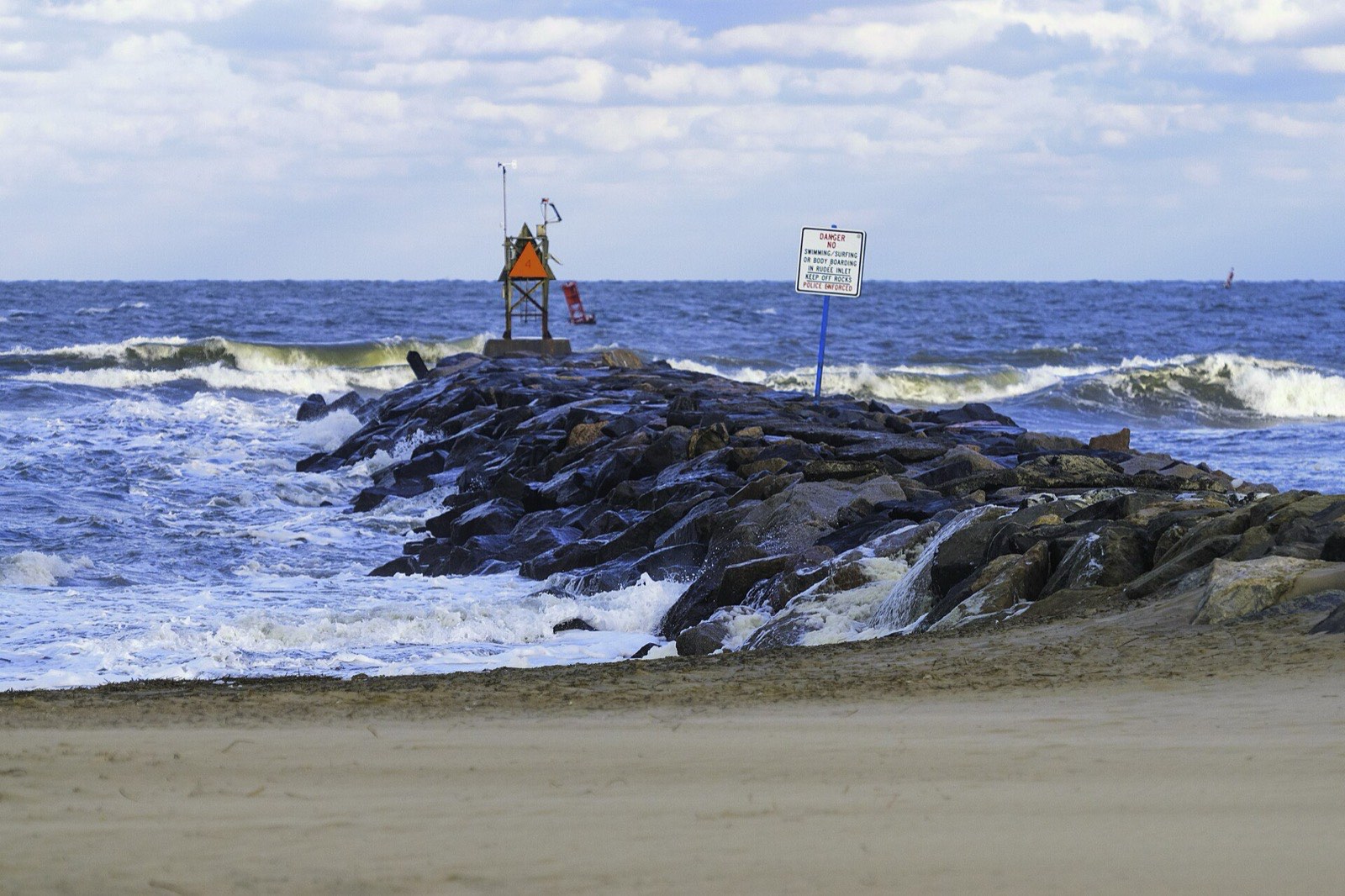
Photo PumpkinSky, CC BY-SA 3.0
ShorelineBeachRudee Inlet jetty & shoreline
Hard structure meeting ocean current — a technical spot that rewards anglers who read moving water.
6 speciesRestrooms- No verified photo yet37.11° N 76.32° WKayak launchShoreline
Poquoson marsh kayak launch
Quiet grass-and-creek country for paddlers — shallow water, oyster bars, and very little boat pressure.
4 speciesFamily-friendly - No verified photo yet37.11° N 76.32° WBeachShoreline
Grandview Nature Preserve shoreline
A long walk-in Bay shoreline backed by marsh — solitude, wading depth, and a genuinely wild feel inside the city.
5 speciesFamily-friendly 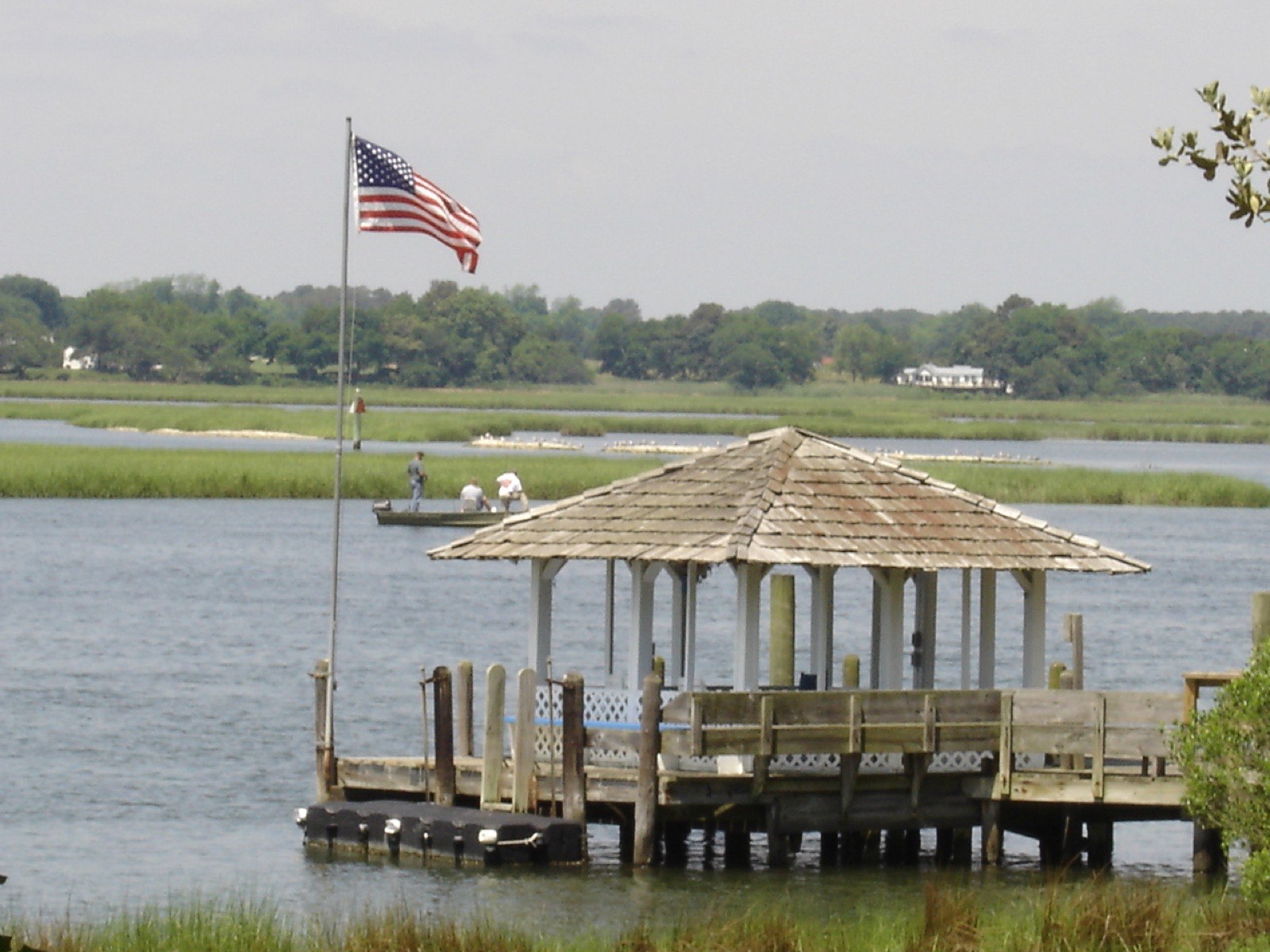
Photo BrandlandUSA, Public domain (representative)
ShorelineKayak launchHabitat matchLynnhaven Inlet — Boat Ramp & Beach Facility
The historic Lynnhaven Fishing Pier closed in 2017 and was sold — today's public access is the city's Lynnhaven Boat Ramp & Beach Facility, plus some bank fishing along the beach and riprap.
3 speciesAccessible features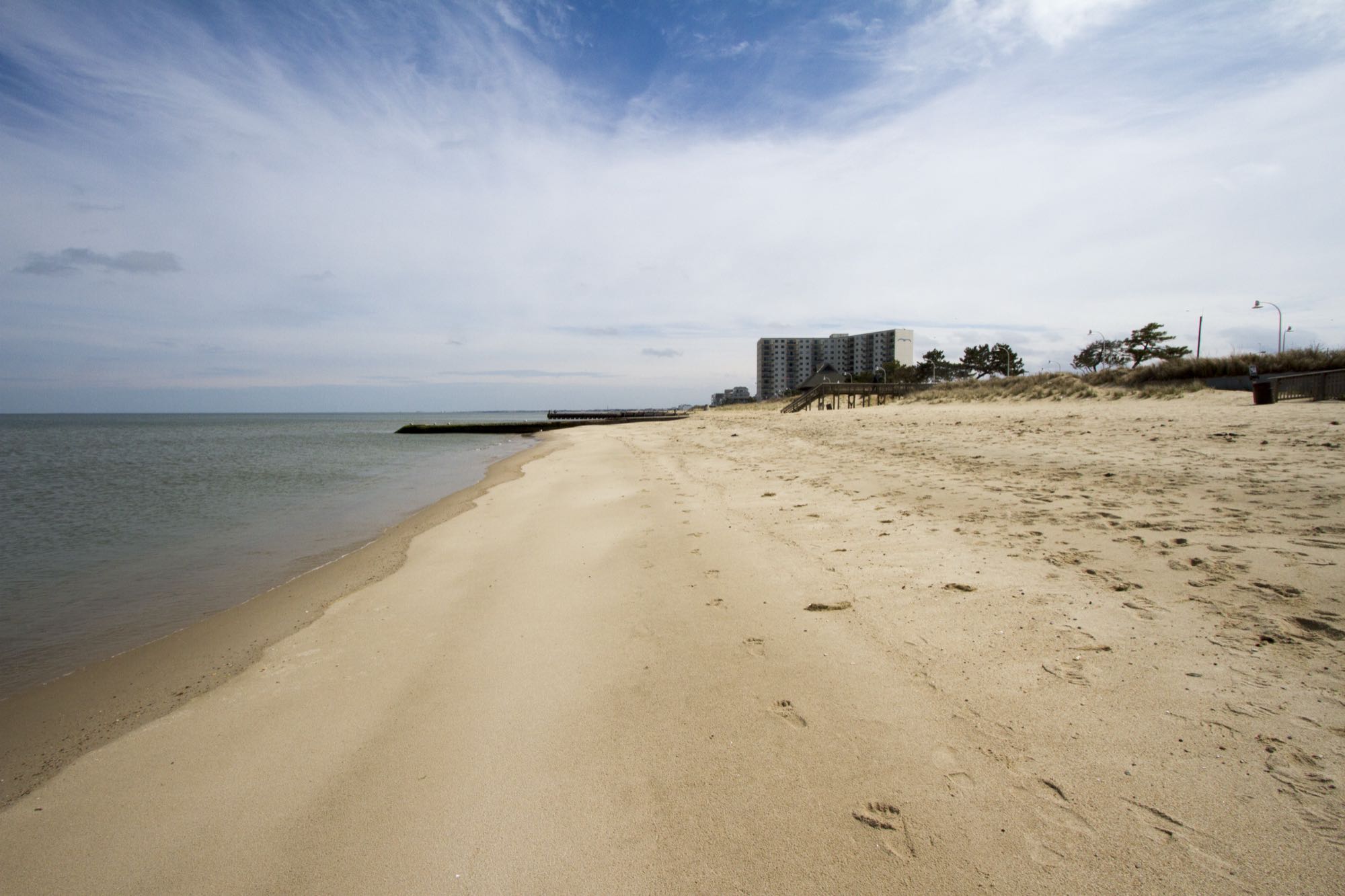
Photo Patrick Bloodgood / U.S. Army Corps of Engineers, Norfolk District, Public domain
ShorelineBeachHabitat matchWilloughby Spit shoreline
Narrow Bay-front spit near major structure — walkable shoreline with surprising depth close to the beach.
4 speciesFamily-friendly


