beginner rig
Float presentationPopping cork rig
Cast out, let it settle, then give the cork a sharp upward pop every 10–15 seconds
- Best for
- Speckled TroutRed DrumFlounder
- Water
- baymarshinlet
Components
- Main line to a popping cork (often weighted, sometimes rattling)
- Leader below the cork
- Jighead or hook with live shrimp/soft plastic
Setup
- Hook
- Jighead sized to the bait — 1/8–1/4 oz is typical for live shrimp or a small soft plastic under a cork.
- Weight
- The cork itself provides most of the casting weight; no separate sinker needed.
- Leader
- 18–36 inches between cork and hook — a long enough drop to suspend bait over grass without fouling it.
How to fish it
Cast out, let it settle, then give the cork a sharp upward pop every 10–15 seconds — the noise imitates a feeding fish and draws trout and redfish in to investigate.
When to use it
- Grass flats and marsh edges in two to five feet of water
- A rising tide pushing bait onto the flats, or the first of the fall
- Stained water where the pop calls fish to a bait they cannot see
Common mistakes
- Popping too often, which can spook fish rather than draw them in — let it sit between pops
Variations
Float rigs: the same idea, adjusted
- Sheet 08Floatbeginner
Slip-float rig
For speckled trout, red drum, crappie, white perch from bay, marsh, river, lake.
Speckled TroutRed DrumCrappie - Sheet 14Floatbeginner
Panfish float rig
For crappie, yellow perch, white perch, chain pickerel from lake, river, marsh.
CrappieYellow PerchWhite Perch - Sheet 16Floatintermediate
Santee Cooper rig
For blue catfish, channel catfish from river, bay.
Blue CatfishChannel Catfish
Where to use it
Water this rig is documented for
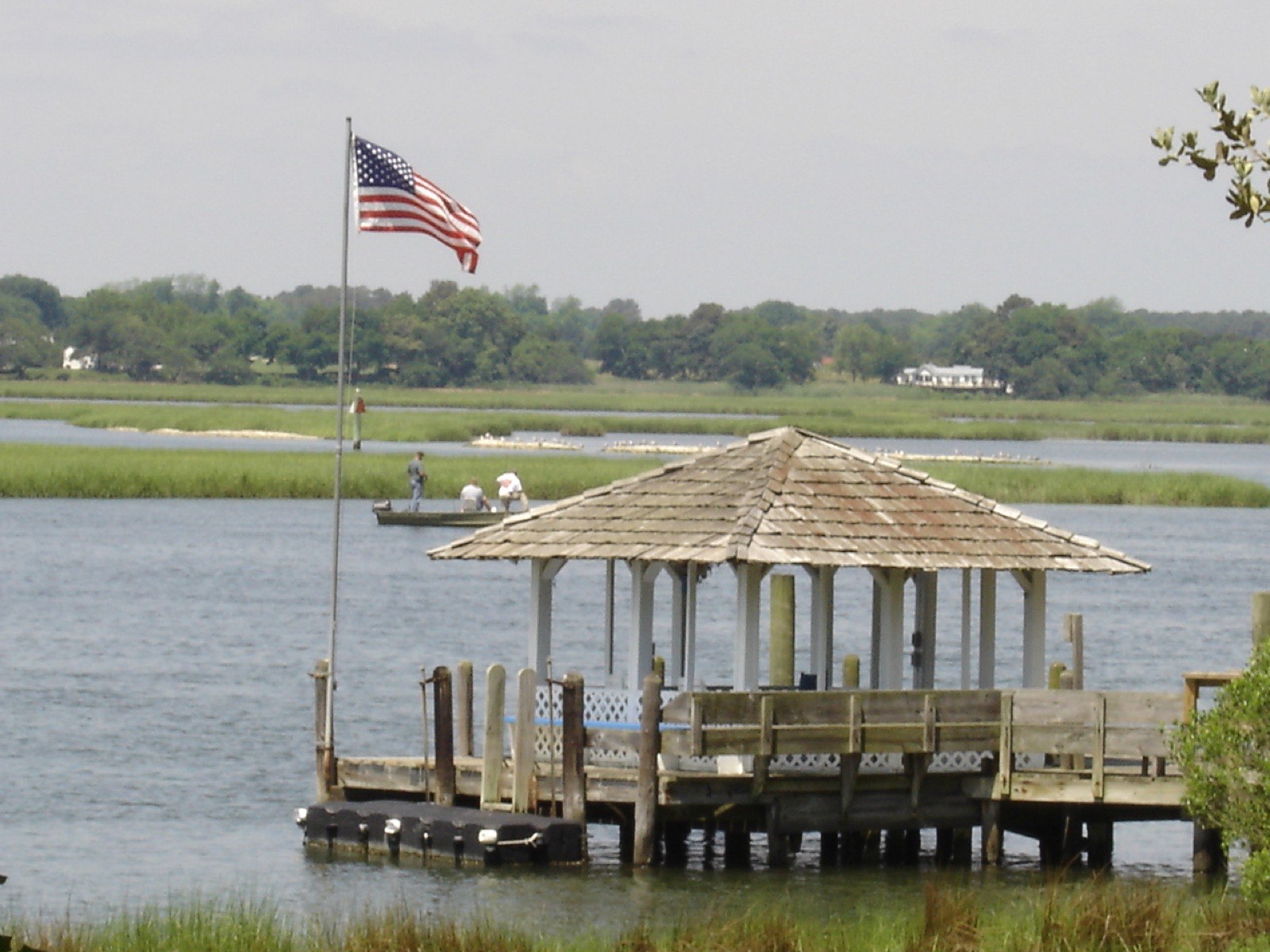
Photo BrandlandUSA, Public domain (representative)
ShorelineKayak launchLynnhaven Inlet — Boat Ramp & Beach Facility
The historic Lynnhaven Fishing Pier closed in 2017 and was sold — today's public access is the city's Lynnhaven Boat Ramp & Beach Facility, plus some bank fishing along the beach and riprap.
3 speciesAccessible features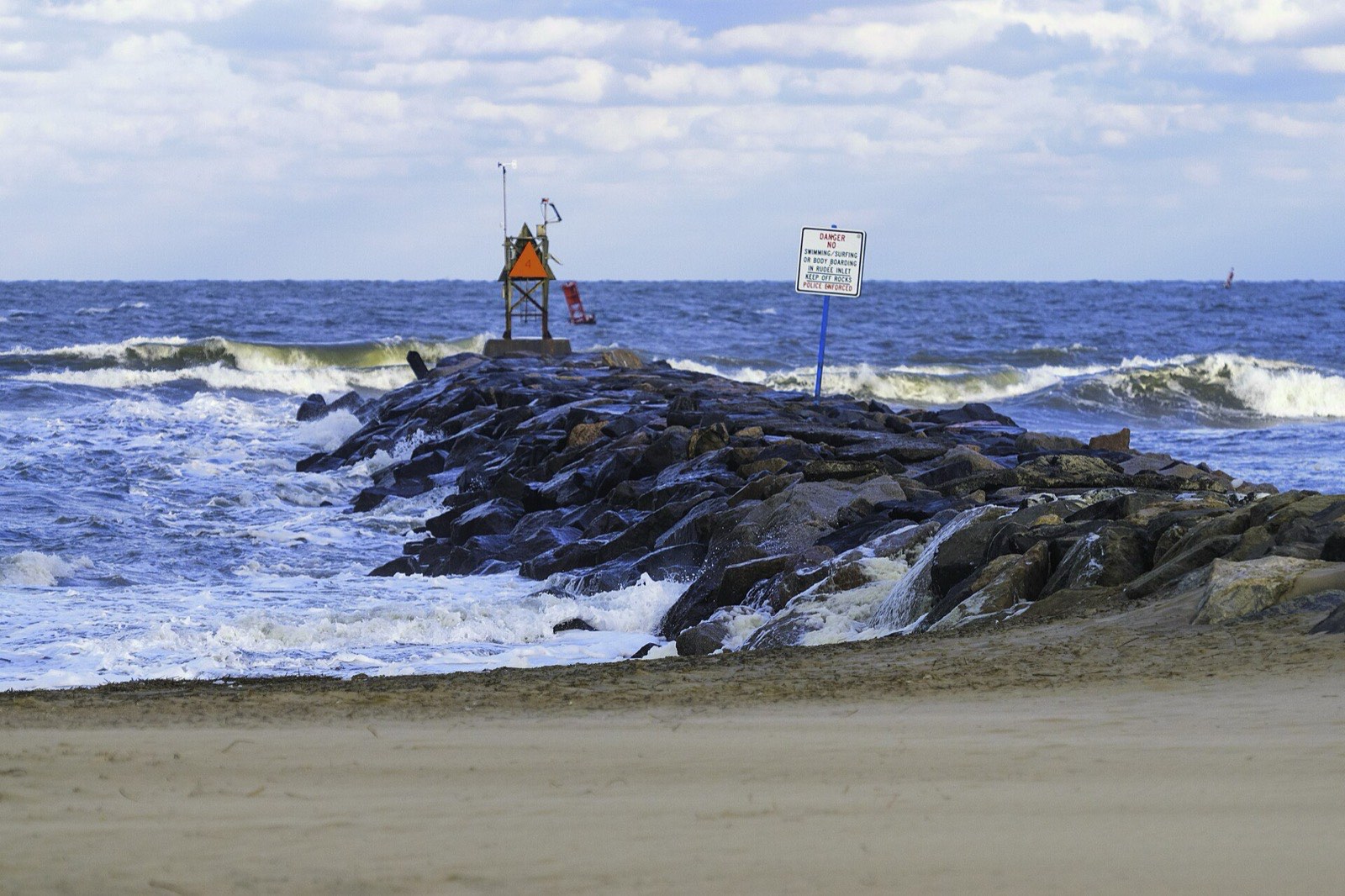
Photo PumpkinSky, CC BY-SA 3.0
ShorelineBeachRudee Inlet jetty & shoreline
Hard structure meeting ocean current — a technical spot that rewards anglers who read moving water.
6 speciesRestrooms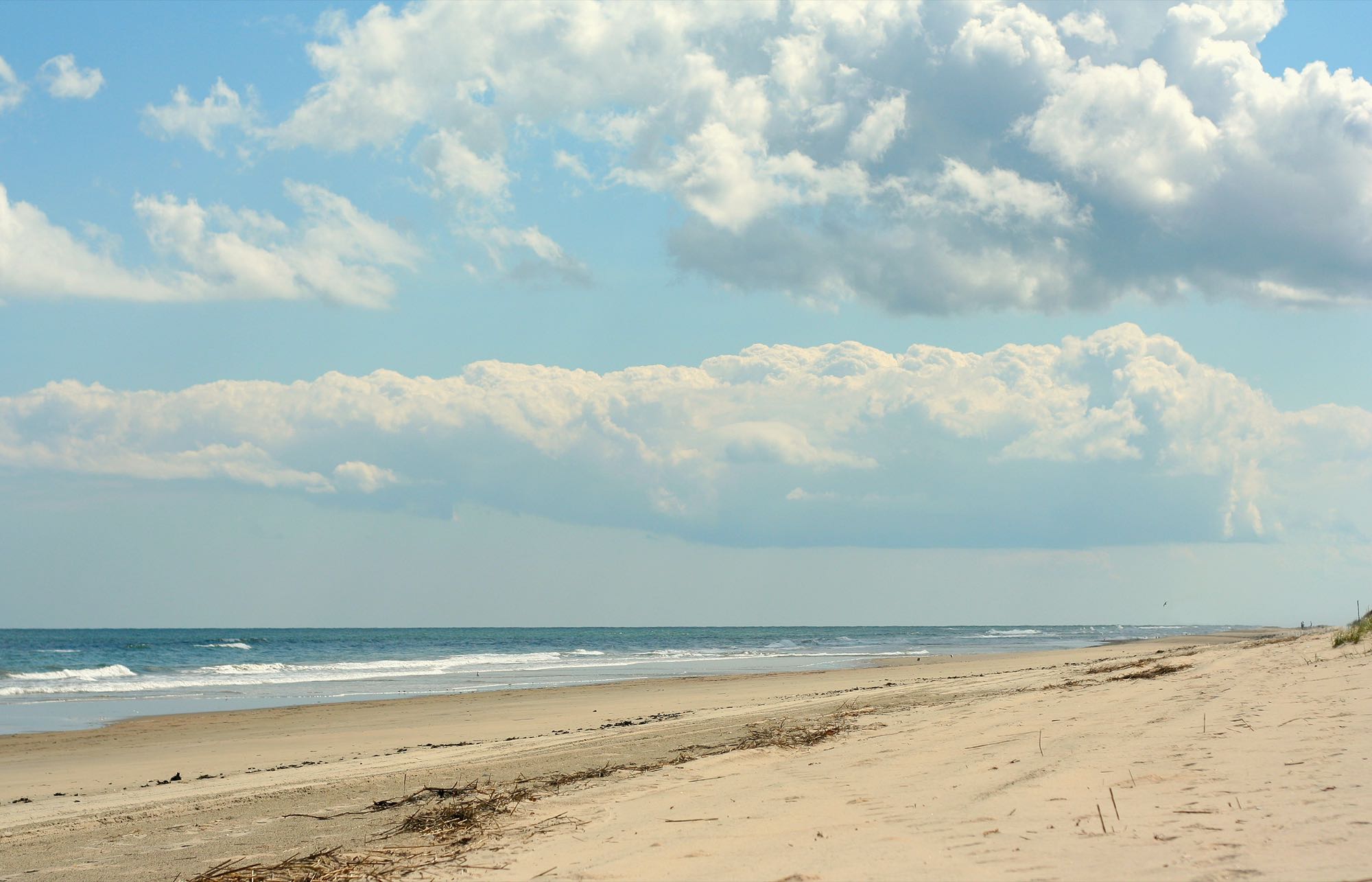
Photo Brent Hoard, CC BY 2.0
BeachSandbridge Beach surf
Open Atlantic beach with sandbars, troughs, and cuts — classic surf fishing with plenty of room to spread out.
4 speciesFamily-friendlyRestrooms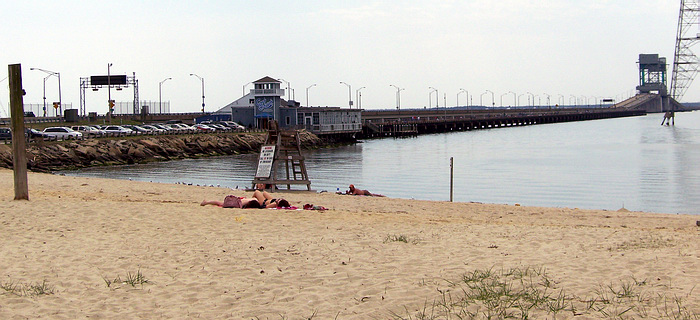
Photo Mytwocents, CC BY-SA 3.0
Fishing pierShorelineJames River pier & shoreline
Long tidal-river pier reaching out over deep water, mixing saltwater panfish with tidal-river species.
5 speciesFamily-friendlyAccessible featuresRestrooms- No verified photo yet37.11° N 76.32° WKayak launchShoreline
Poquoson marsh kayak launch
Quiet grass-and-creek country for paddlers — shallow water, oyster bars, and very little boat pressure.
4 speciesFamily-friendly - No verified photo yet37.11° N 76.32° WBeachShoreline
Grandview Nature Preserve shoreline
A long walk-in Bay shoreline backed by marsh — solitude, wading depth, and a genuinely wild feel inside the city.
5 speciesFamily-friendly


