Black Drum
Pogonias cromis — also called puppy drum (small), bull drum (large)
A whiskered, high-backed drum that crushes crab and clam over shell bottom — puppy drum at the piers, and forty-to-eighty-pound bulls on the spring run at the Bay mouth.
Typically present

- 1High, arched back — High, arched back
- 2Juvenile bars — juveniles carry 4–5 dark vertical bars
- 3No tail spot — No black tail spot
Photo: Robert Aguilar / Smithsonian Environmental Research Center, Smithsonian Institution — CC BY 2.0

Fig. 46b.Adult: humped back and chin barbels
Photo: J. Deeds / U.S. Food and Drug Administration, U.S. Food and Drug Administration — Public domain (U.S. government work)
- Habitat
- Fishing piers, Bridges & shorelines
- Methods
- Inshore boat, Surf, Pier
- Typical size
- 5–20 lb puppy drum
- Eating
- good
Identification
Look for
- 10-14 pairs of chin barbels (whiskers) — the single most reliable tell versus red drum, which has none
- High, arched back giving a 'humpback' shape; gray to black coloring, less streamlined than red drum
- No black tail spot (red drum usually has one or more)
- Typical size here
- 5–20 lb puppy drum
- Notable fish
- 40–80 lb bulls on the spring run at the Bay mouth
Tell them apart
Look first: Look under the chin: black drum wear barbels, red drum never do.
Black Drum

| Look at | Black Drum | |
|---|---|---|
| Chin | 10–14 pairs of short barbels | No barbels |
| Tail | No tail spot | One or more black, ringed spots at the tail base (rarely none) |
| Colour | Grey to black; juveniles carry 4–5 dark vertical bars | Coppery bronze to red, lighter below |
| Profile | Deep body with a high, arched back | Streamlined, gently sloped back |
Tell them apart
Look first: Bars on a small drum fade; a sheepshead's stay sharp — and it has teeth, not barbels.
Black Drum

| Look at | Black Drum | |
|---|---|---|
| Bars | 4–5 bars on juveniles that fade as the fish grows | 5–7 sharp black vertical bars, kept for life |
| Chin | Chin barbels at every size | No barbels |
| Teeth | No incisors; crushing teeth in the throat | Broad, human-like incisors at the front of the mouth |
| Body | Rounder and heavier through the shoulders | Deep, flat-sided, with heavy dorsal spines |
Local waters
- Oyster reefs and shell bottom
- Bridge and pier pilings
- Lower Chesapeake Bay structure
Catchable both from shore (surf, pier) and by boat (inshore boat). 2 spots in this guide document it — see water to try below.
When to fish
Spring through fall, with a notable spring run of larger fish around the Bay Bridge-Tunnel.
Tide stage for this kind of water
Moving water, either direction
From: Getting started fishing in Hampton RoadsWater temperature
The water, not the calendar, sets the season here — a warm October or a cold snap moves these bands.
Water temperature and the seasonsHow to catch it
- Spring bulls: soak half a blue crab or a whole clam on a fish-finder with an 8/0 to 10/0 non-offset circle hook near the Bridge-Tunnel shoals and Bay-side beaches; big fish are old — release them.
- Puppy drum at the piers and bridges: fresh shrimp, clam, or peeler crab on a bottom rig near the pilings, rod in hand — the bite is a slow pull.
- Fish a moving tide over shell and hard bottom; drum feed by feel and sound close to the bottom.
Bait & lures
- Crab (peeler or whole) fished on bottom
- Clam or shrimp on a fish-finder rig
Tackle to start with
Rigs for black drum
All rigs- Sheet 05Bottombeginner
High-low (double-drop) bottom rig
For spot, croaker, whiting (southern kingfish), black drum from pier, bridge, surf.
SpotCroakerWhiting (Southern Kingfish) - Sheet 09Bottombeginner
Fish-finder rig (Carolina style)
For flounder, red drum, black drum, channel catfish from inlet, river, bay, bridge.
FlounderRed DrumBlack Drum - Sheet 02Bottombeginner
Standard bottom rig (single hook)
For spot, croaker, whiting (southern kingfish), white perch from pier, bridge, surf, bay.
SpotCroakerWhiting (Southern Kingfish)
Packing lists written for it
On the table
Puppy drum under about ten pounds are excellent, firm and white; larger fish turn coarse and are usually released. Confirm current limits with VMRC.
- Big drum are old — support them horizontally and release; the meat of large fish is coarse and often carries harmless 'spaghetti worms' that most anglers avoid by keeping only smaller fish.
- Puppy drum: bleed and ice; the firm white fillets are excellent.
Recipes written for it
Where to try
Water that suits black drum
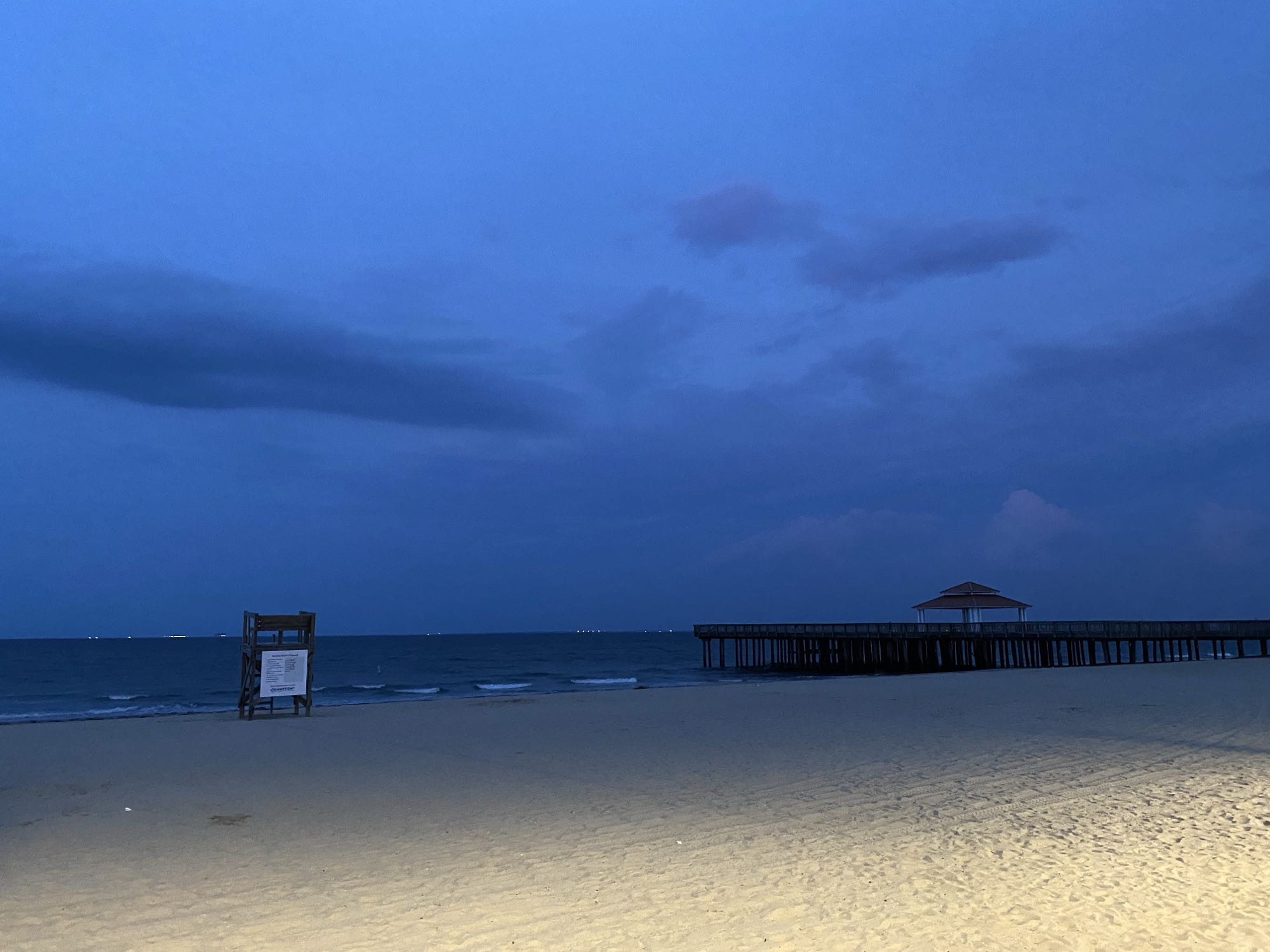
Photo Fuzheado, CC BY-SA 3.0
Fishing pierBeachBuckroe Beach & pier area
Bay-front pier and beach park — the most family-friendly introduction to Chesapeake fishing in Hampton.
6 speciesFamily-friendlyAccessible featuresRestrooms
Photo Patrick Nouhailler, CC BY-SA 2.0 (representative)
Boat rampBay-mouth bridge structure (boat)
Miles of pilings, rubble, and channel edges at the Bay mouth — the region's premier structure fishery, boat access only.
6 species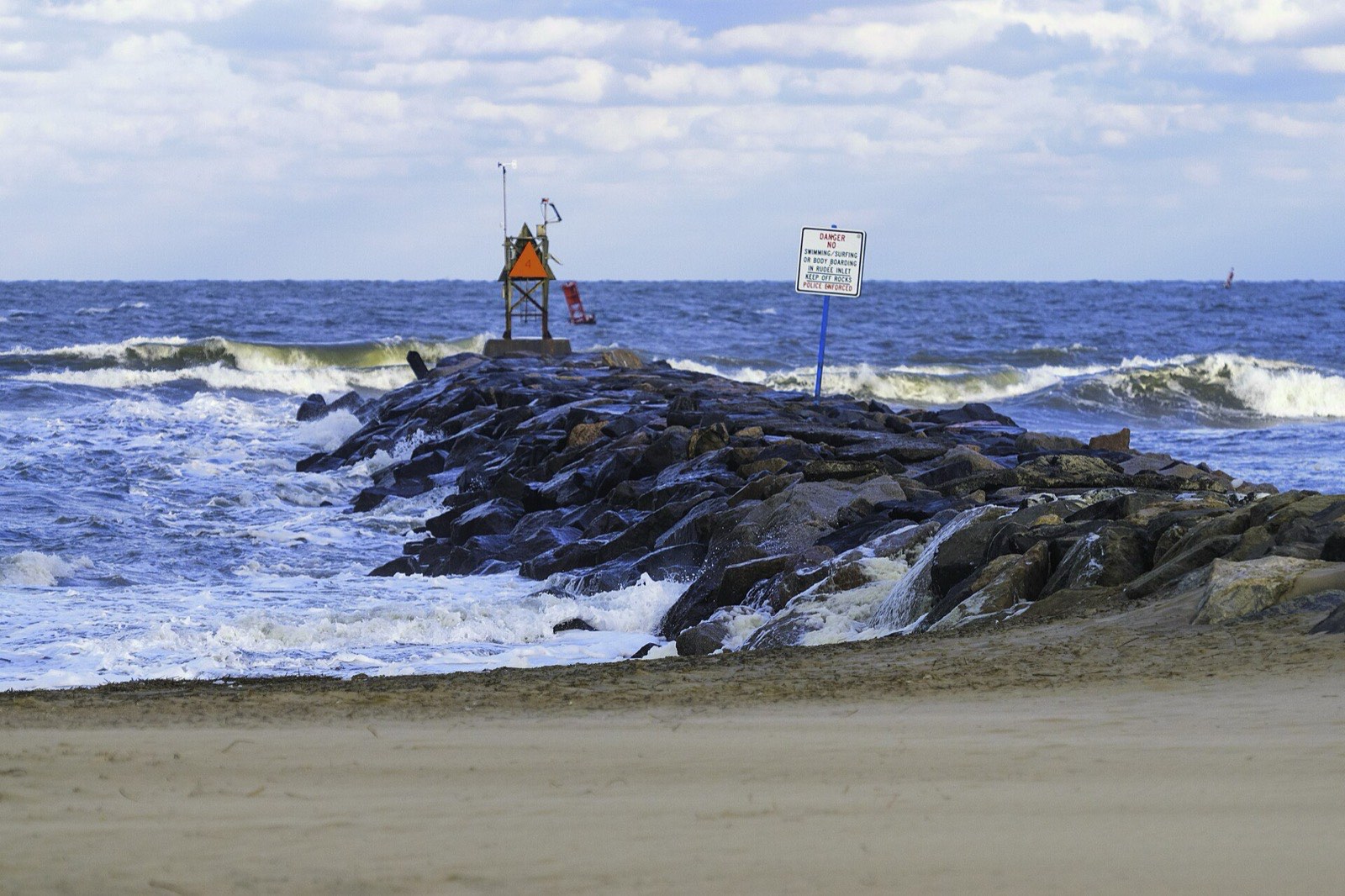
Photo PumpkinSky, CC BY-SA 3.0
ShorelineBeachHabitat matchRudee Inlet jetty & shoreline
Hard structure meeting ocean current — a technical spot that rewards anglers who read moving water.
6 speciesRestrooms
Photo Mytwocents, CC BY-SA 3.0
Fishing pierShorelineHabitat matchJames River pier & shoreline
Long tidal-river pier reaching out over deep water, mixing saltwater panfish with tidal-river species.
5 speciesFamily-friendlyAccessible featuresRestrooms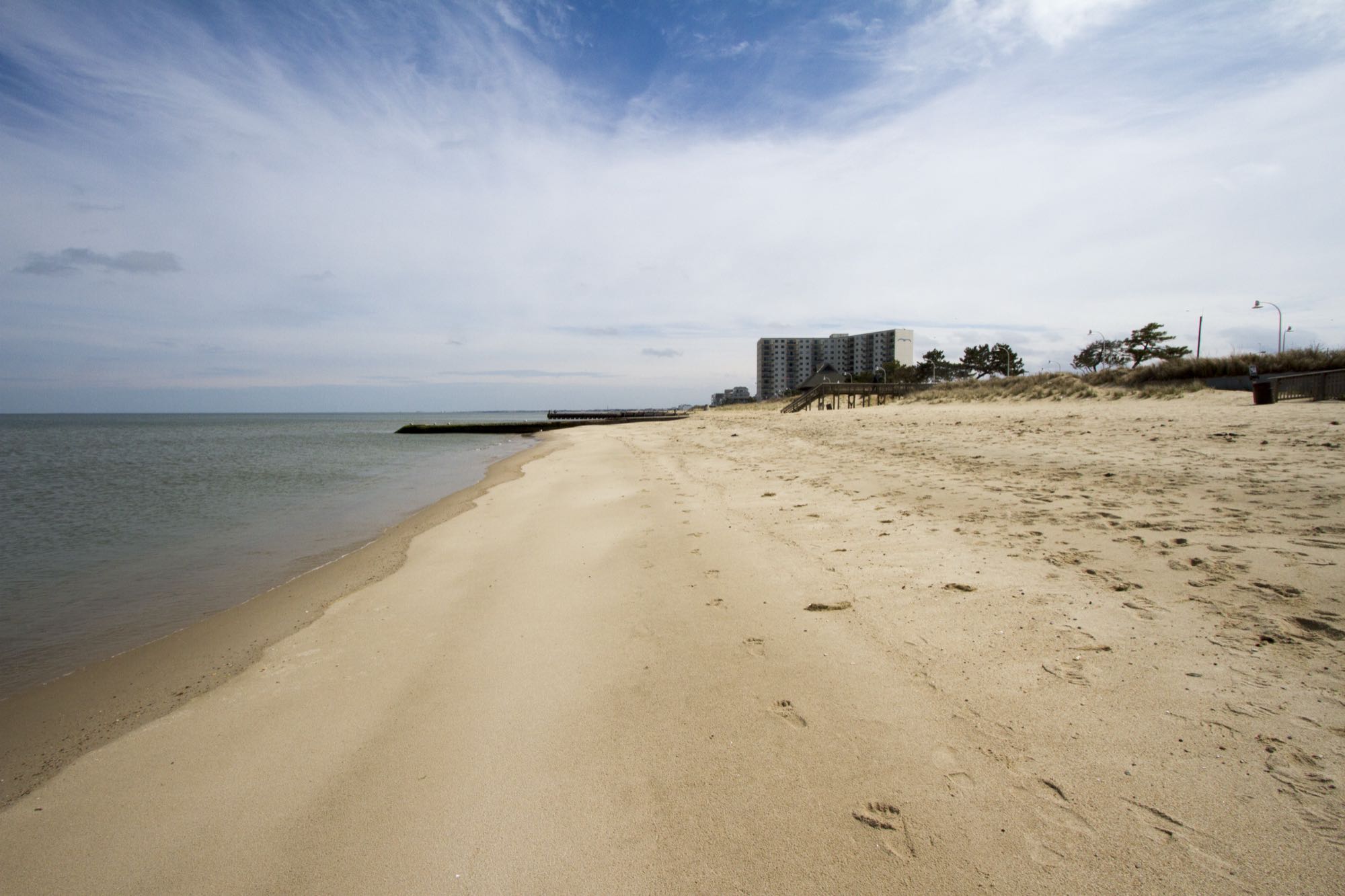
Photo Patrick Bloodgood / U.S. Army Corps of Engineers, Norfolk District, Public domain
ShorelineBeachHabitat matchWilloughby Spit shoreline
Narrow Bay-front spit near major structure — walkable shoreline with surprising depth close to the beach.
4 speciesFamily-friendly- No verified photo yet37.11° N 76.32° WKayak launchShorelineHabitat match
Poquoson marsh kayak launch
Quiet grass-and-creek country for paddlers — shallow water, oyster bars, and very little boat pressure.
4 speciesFamily-friendly


