Bluefish
Pomatomus saltatrix — also called chopper (large), snapper blue (small), tailor
The chopper — a toothy, schooling predator that blitzes bait in the surf, the inlets, and the Bay in spring and fall, and demands pliers and a bite leader.
Typically present
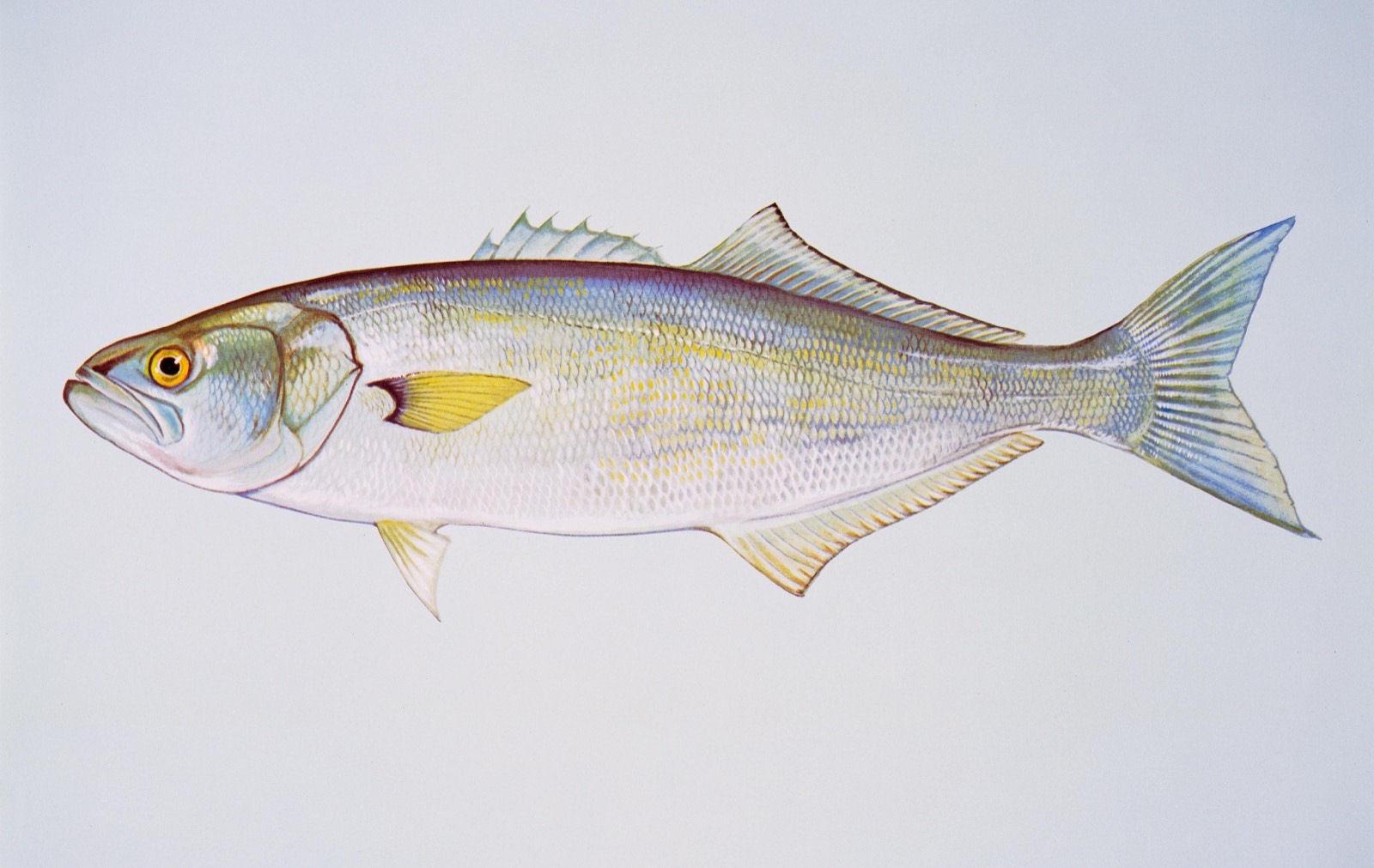
Illustration: Duane Raver / USFWS, U.S. Fish and Wildlife Service — Public domain
- Habitat
- Atlantic surf, Chesapeake Bay
- Methods
- Inshore boat, Surf, Pier
- Typical size
- 1–5 lb 'snapper' and 'tailor' blues
- Eating
- good
Identification
Look for
- Prominent, sharp, laterally-compressed triangular teeth in a single row — capable of a serious bite; use pliers/a dehooking tool, not bare hands
- Greenish-blue back fading to silver on the sides and belly; stout, streamlined body, forked tail, two dorsal fins
- Typical size here
- 1–5 lb 'snapper' and 'tailor' blues
- Notable fish
- 10 lb-plus choppers on the spring and fall runs
Local waters
- Open Bay and nearshore ocean, often blitzing bait on the surface
- Inlets during migration
Catchable both from shore (surf, pier) and by boat (inshore boat). 6 spots in this guide document it — see water to try below.
When to fish
Spring and fall runs, with some summer action nearshore and offshore.
Tide stage for this kind of water
Rising through high, and the first of the fall
From: Reading the surfWater temperature
The water, not the calendar, sets the season here — a warm October or a cold snap moves these bands.
Water temperature and the seasonsHow to catch it
- Find the blitz — birds working, bait showering — and cast metal or a popper to the edge of it; retrieve fast.
- In the surf and at the inlets, cut bait (bunker, mullet) on a fish-finder with a wire or heavy-mono bite leader; blues bite through plain mono.
- Single hooks on lures make unhooking safer than trebles; carry pliers and keep fingers away from the mouth.
- Common mistakea leader too light for the teeth, and a hand too close to the mouth.
Bait & lures
- Metal spoons and poppers
- Cut bait on a wire leader — sharp teeth
Tackle to start with
Rigs for bluefish
All rigs- Sheet 10Lureintermediate
Bucktail jigging rig
For striped bass, flounder, bluefish, spanish mackerel from inlet, bridge, bay, offshore.
Striped BassFlounderBluefish - Sheet 23Bottombeginner
Surf rig
For red drum, black drum, striped bass, bluefish from surf.
Red DrumBlack DrumStriped Bass - Sheet 01Bottombeginner
Fish-finder rig
Cut bait on sand or shell bottom from surf, beach, and marsh shorelines.
SurfShorePier
Packing lists written for it
On the table
Oily, full-flavoured dark flesh that must be bled, iced, and eaten within a day — smoked, grilled, or broiled with something acidic; small 'snapper' blues are mildest. Confirm current limits with VMRC.
- Bluefish teeth are razor-sharp and the fish thrashes hard — control the head with a lip-gripper or towel before removing a hook, and keep fingers well clear of the mouth.
- Bleed immediately and cut out the dark bloodline when filleting; the flesh is strongly flavoured and does not keep.
Recipes written for it
Where to try
Water that suits bluefish
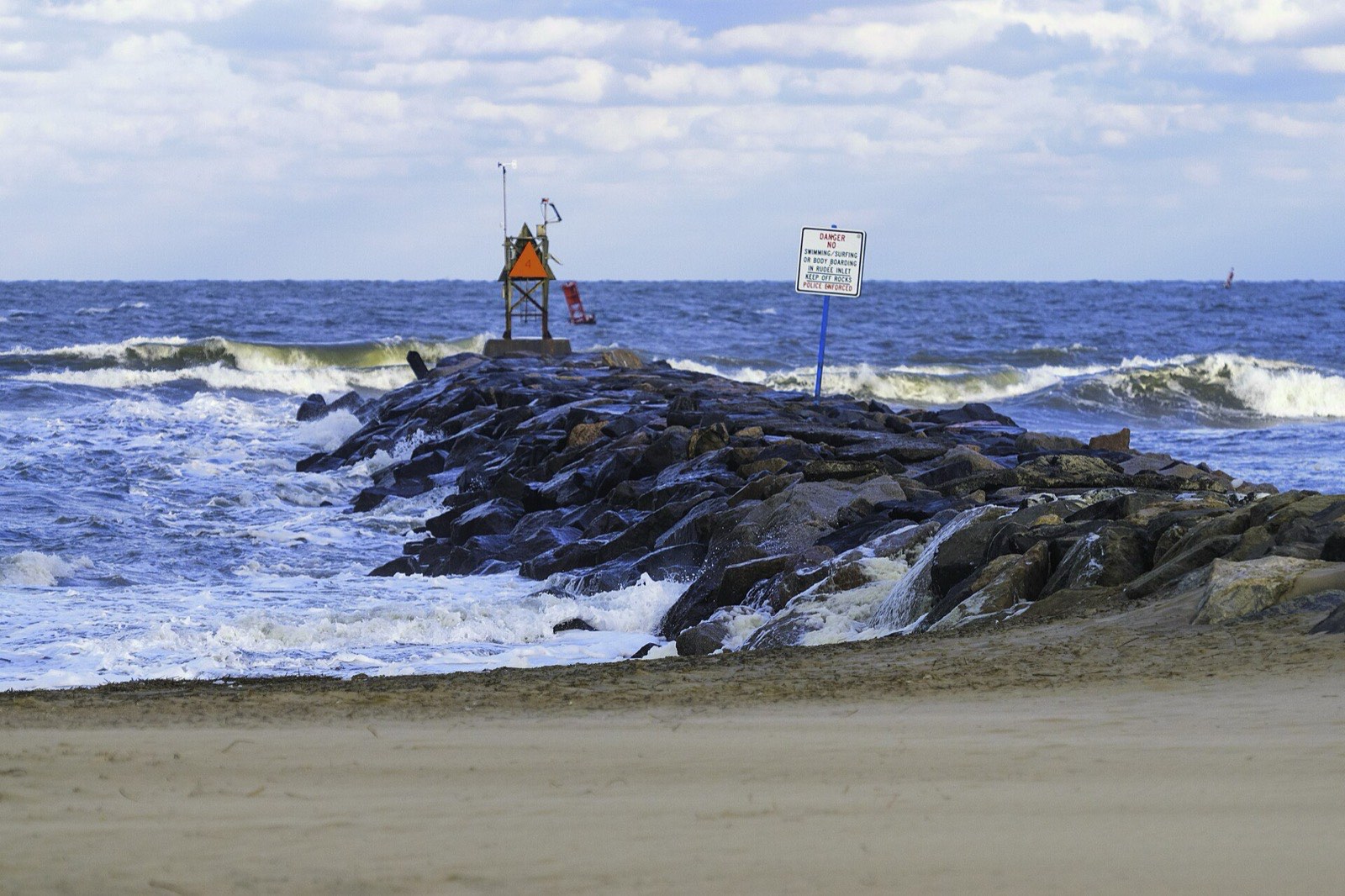
Photo PumpkinSky, CC BY-SA 3.0
ShorelineBeachRudee Inlet jetty & shoreline
Hard structure meeting ocean current — a technical spot that rewards anglers who read moving water.
6 speciesRestrooms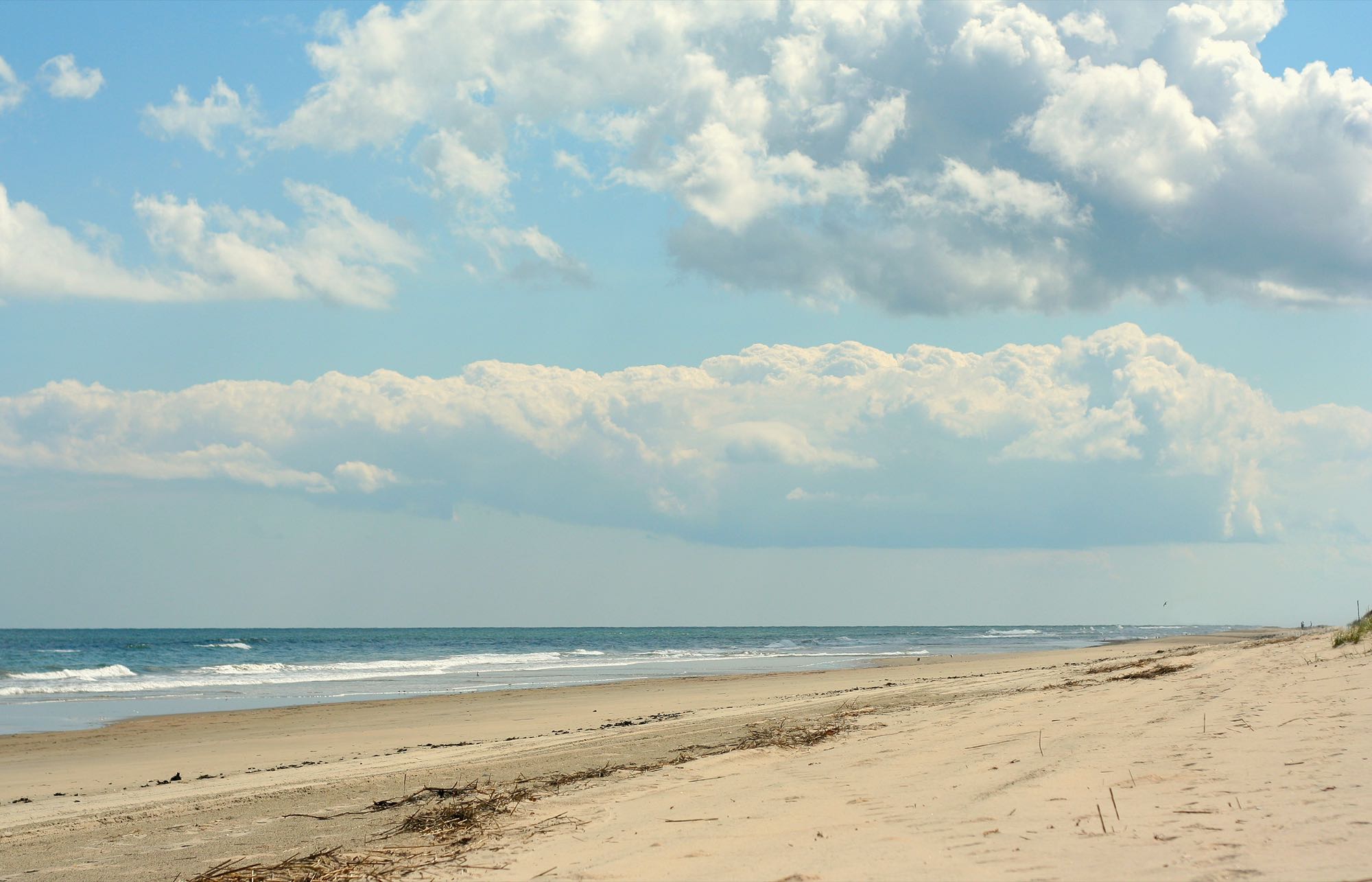
Photo Brent Hoard, CC BY 2.0
BeachSandbridge Beach surf
Open Atlantic beach with sandbars, troughs, and cuts — classic surf fishing with plenty of room to spread out.
4 speciesFamily-friendlyRestrooms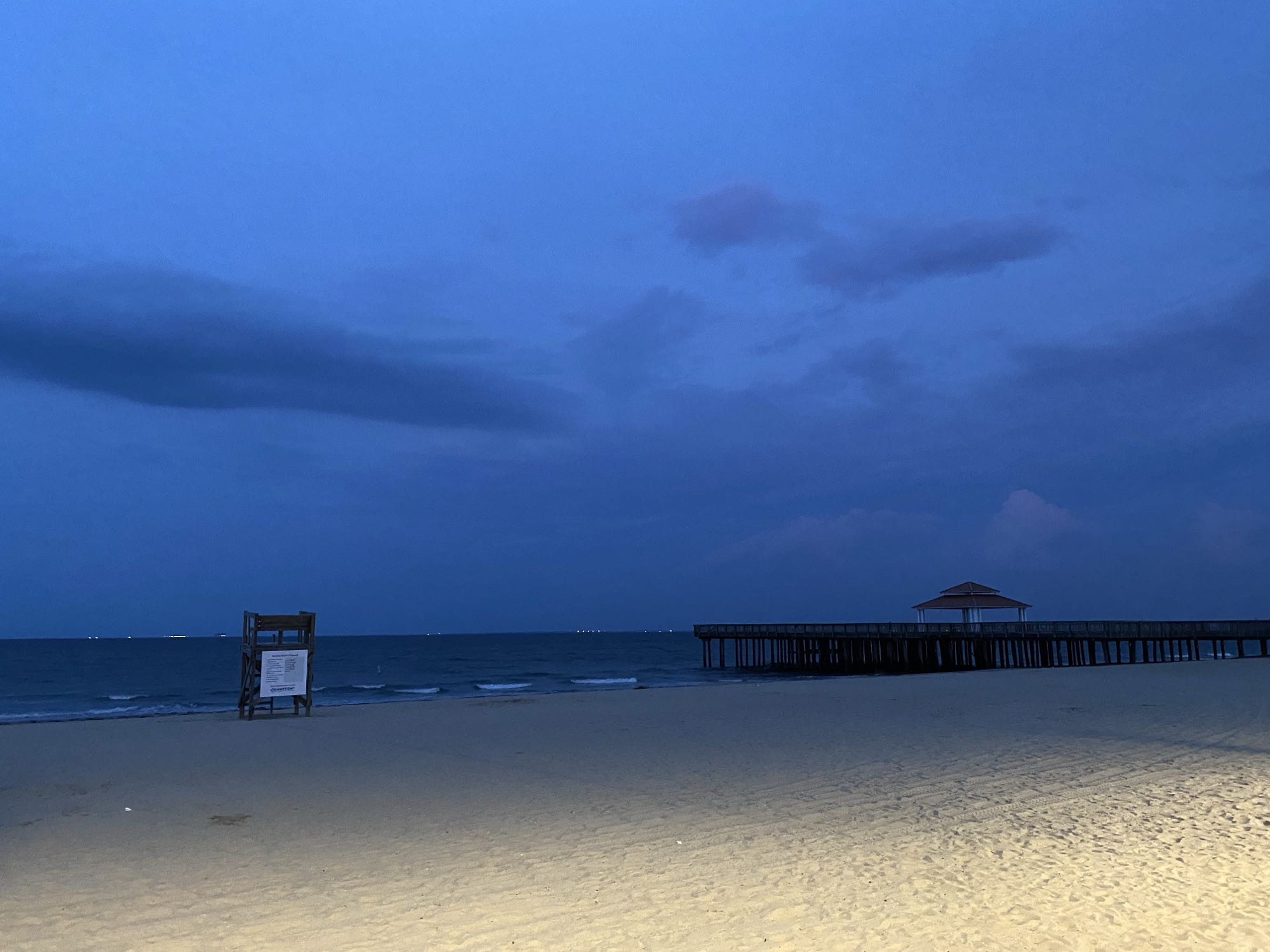
Photo Fuzheado, CC BY-SA 3.0
Fishing pierBeachBuckroe Beach & pier area
Bay-front pier and beach park — the most family-friendly introduction to Chesapeake fishing in Hampton.
6 speciesFamily-friendlyAccessible featuresRestrooms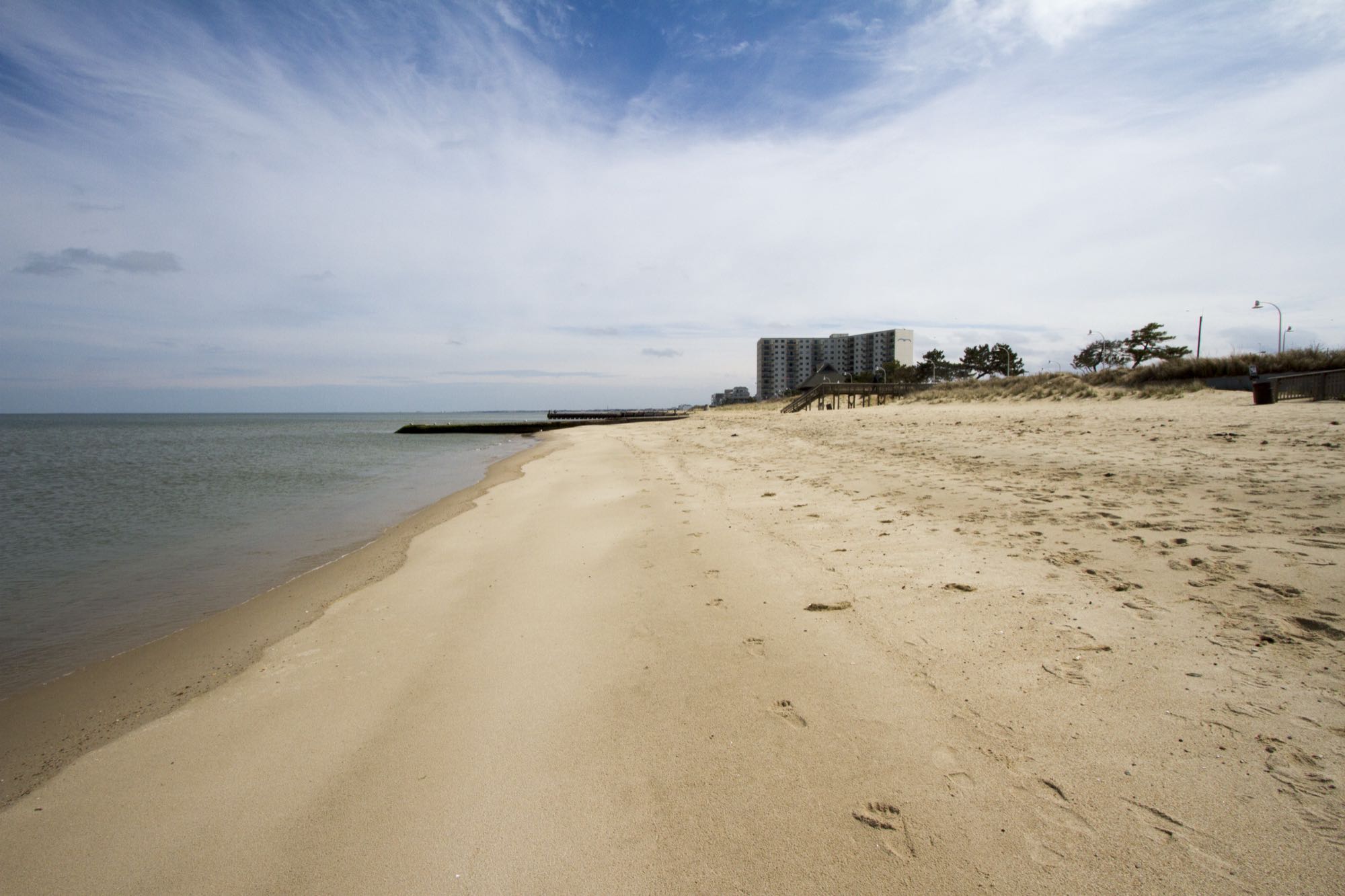
Photo Patrick Bloodgood / U.S. Army Corps of Engineers, Norfolk District, Public domain
ShorelineBeachWilloughby Spit shoreline
Narrow Bay-front spit near major structure — walkable shoreline with surprising depth close to the beach.
4 speciesFamily-friendly- No verified photo yet37.11° N 76.32° WKayak launchShoreline
Poquoson marsh kayak launch
Quiet grass-and-creek country for paddlers — shallow water, oyster bars, and very little boat pressure.
4 speciesFamily-friendly - No verified photo yet37.11° N 76.32° WBeachShoreline
Grandview Nature Preserve shoreline
A long walk-in Bay shoreline backed by marsh — solitude, wading depth, and a genuinely wild feel inside the city.
5 speciesFamily-friendly


