Blue Catfish
Ictalurus furcatus
The tidal rivers' big catfish — an introduced species now in every Bay tributary, taken year-round on fresh cut bait along channel edges and deep bends, with fish past forty pounds.
Typically present
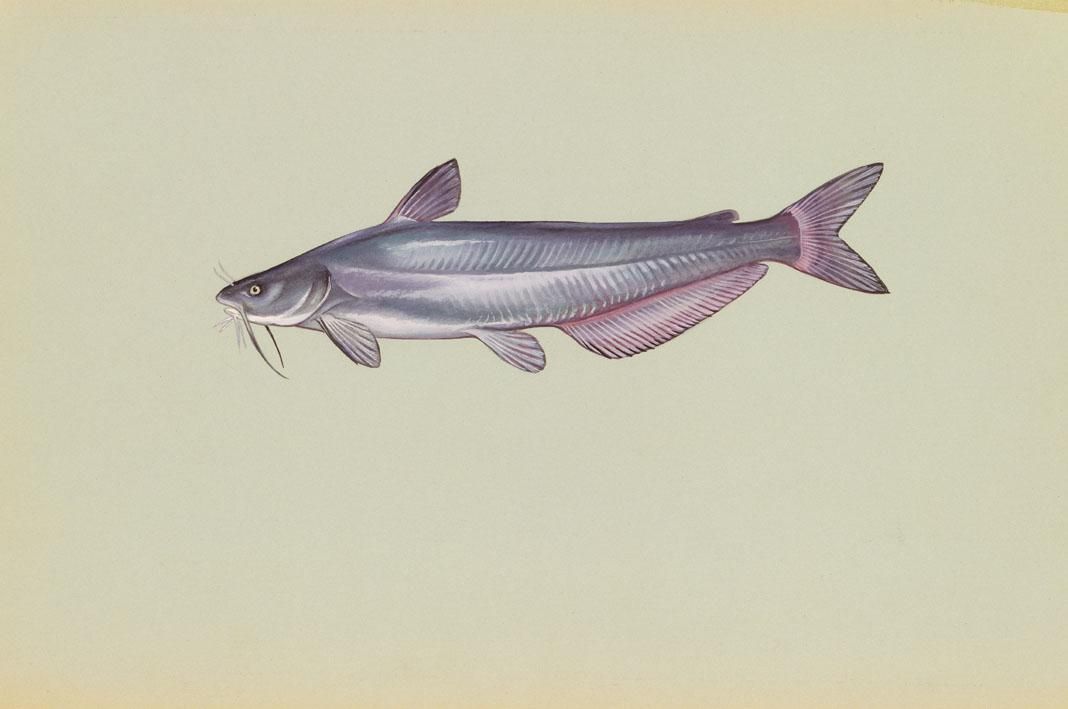
Illustration: Duane Raver / USFWS, U.S. Fish and Wildlife Service — Public domainLong edge is 1068px, below this project's 1600px preference. Accepted because it is the best rights-clear, correctly-identified photo found for this species — see SPECIES_PHOTO_AUDIT.md for the source search record.
- Habitat
- Tidal rivers
- Methods
- Shore, Kayak, Freshwater
- Typical size
- 2–10 lb
- Eating
- good
Identification
Look for
- Slate-blue body, deeply forked tail, and a straight-edged anal fin with 30+ rays
- Never has spots (channel catfish often do, especially when younger)
- Typical size here
- 2–10 lb
- Notable fish
- 40 lb-plus fish from the tidal James and its neighbours
Local waters
- Tidal rivers and their deep holes or channel edges
- Brackish river mouths
Catchable both from shore (bank/shore) and by boat (kayak). 5 spots in this guide document it — see water to try below.
When to fish
Year-round; most consistent in the tidal rivers, with a summer/fall peak for the largest fish.
Tide stage for this kind of water
Moving water at bends and creek mouths
From: Reading tides without overthinking themWater temperature
The water, not the calendar, sets the season here — a warm October or a cold snap moves these bands.
Water temperature and the seasonsHow to catch it
- Fresh cut bait (shad, menhaden, or a whole small fish) on a 5/0 to 8/0 circle hook, fished on the bottom along channel edges, deep bends, and below current seams.
- Anchor above the structure and fan out several rods; a Santee-Cooper float keeps bait above debris on cluttered bottoms.
- Tidal current turns the bite on — plan around the first two hours of a moving tide in the river bends.
Bait & lures
- Cut bait (shad, menhaden) fished on bottom
- Chunk bait under a float in current seams
Tackle to start with
Rigs for blue catfish
All rigs- Sheet 09Bottombeginner
Fish-finder rig (Carolina style)
For flounder, red drum, black drum, channel catfish from inlet, river, bay, bridge.
FlounderRed DrumBlack Drum - Sheet 16Floatintermediate
Santee Cooper rig
For blue catfish, channel catfish from river, bay.
Blue CatfishChannel Catfish - Sheet 01Bottombeginner
Fish-finder rig
Cut bait on sand or shell bottom from surf, beach, and marsh shorelines.
SurfShorePier
On the table
Mild, firm white flesh, best from fish under about ten pounds; fry or blacken. Check VDH advisories for larger fish in the tidal rivers, and DWR or VMRC for the water you fished.
- Sharp pectoral and dorsal spines — grip from the top behind the pectoral fins on small fish, and lip-grip larger ones.
- VDH consumption advisories in the tidal James and other rivers restrict larger blue catfish — check before keeping a big fish.
Recipes written for it
Where to try
Water that suits blue catfish
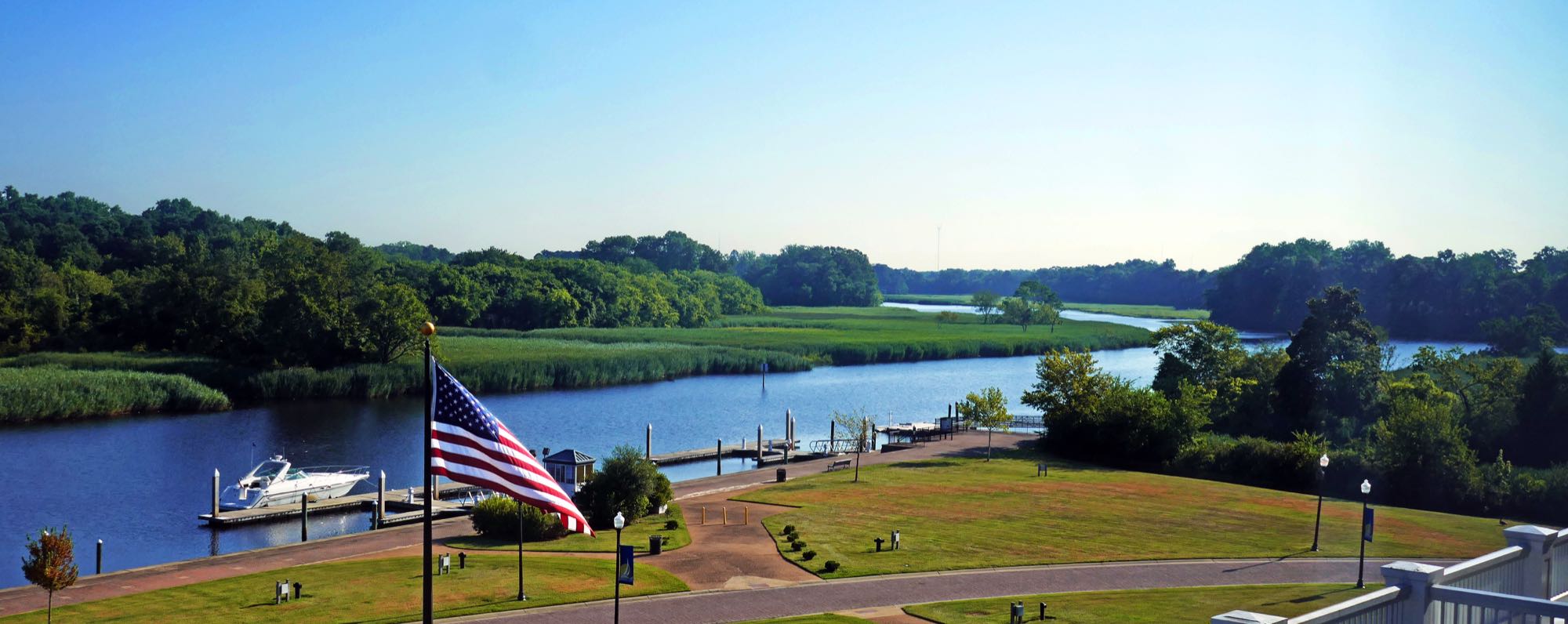
Photo Calstanhope, CC BY-SA 4.0
ShorelineKayak launchBennett's Creek Park — Nansemond River
A free, 56.8-acre city park with three boat ramps and an ADA-accessible crabbing/fishing pier on Bennett's Creek, a Nansemond River tributary — a shaded bend past the second bridge holds fish through the July heat when everywhere else goes dead.
2 speciesFamily-friendlyAccessible features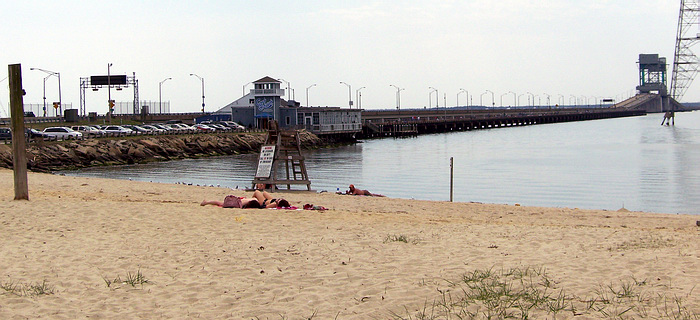
Photo Mytwocents, CC BY-SA 3.0
Fishing pierShorelineJames River pier & shoreline
Long tidal-river pier reaching out over deep water, mixing saltwater panfish with tidal-river species.
5 speciesFamily-friendlyAccessible featuresRestrooms- No verified photo yet36.82° N 76.29° WShorelinePark
Portsmouth city park shoreline
Urban tidal-river access with parking, restrooms, and level ground — a practical after-work or with-kids option.
4 speciesFamily-friendlyAccessible featuresRestrooms 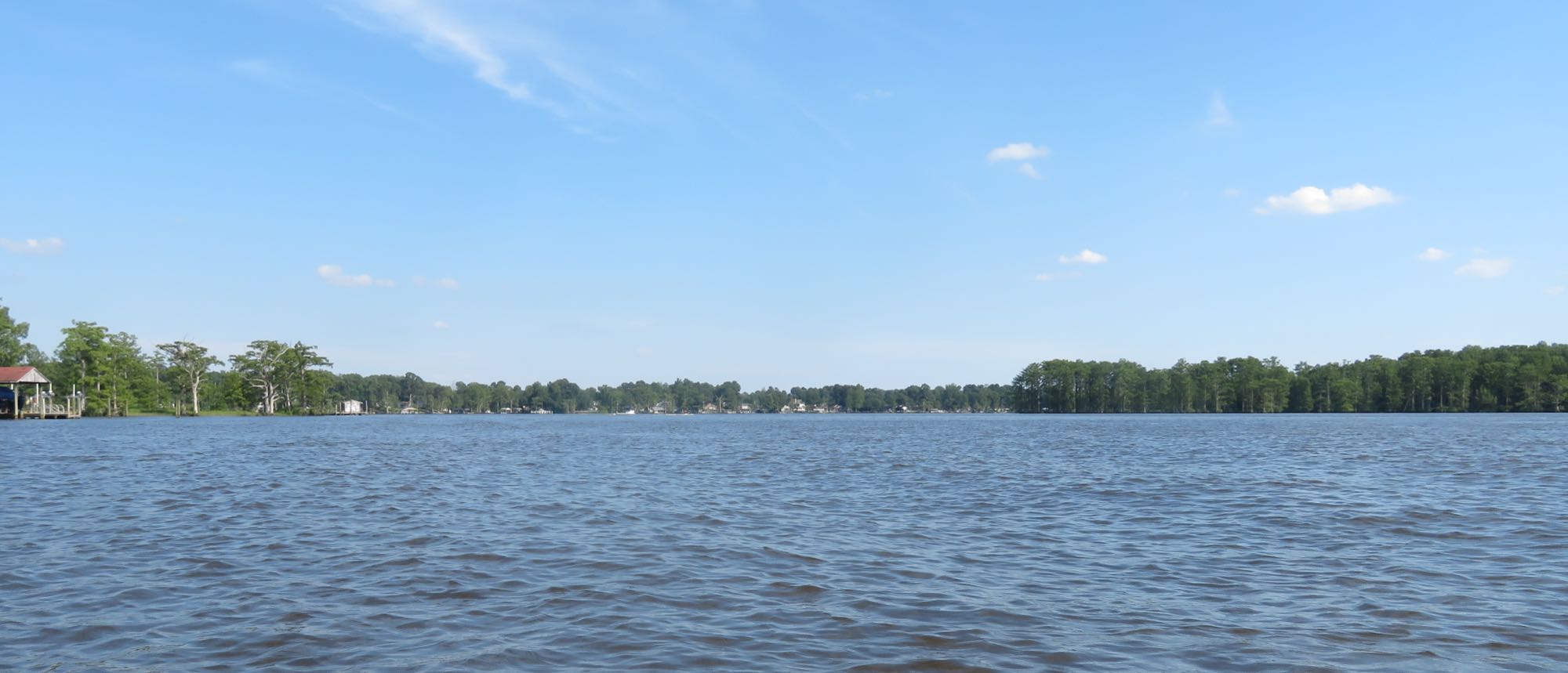
Photo David R. Bains, CC BY-SA 4.0 (representative)
ShorelineBoat rampChickahominy riverfront access
Tidal freshwater river with ramps, wide flats, and cypress shoreline — a strong bridge between fresh and brackish fishing.
3 speciesFamily-friendlyAccessible featuresRestrooms- No verified photo yet36.75° N 76.63° WShorelineBoat ramp
Suffolk reservoir shoreline
Cypress-lined municipal reservoir water — quiet freshwater fishing with permit requirements and posted rules.
2 speciesFamily-friendly - No verified photo yet36.57° N 76.28° WShorelineKayak launchHabitat match
Northwest River Park
Cypress-lined blackwater — classic pickerel and bass water, quiet paddle in.
2 speciesFamily-friendlyAccessible features


