Atlantic Sturgeon
Acipenser oxyrinchus
An endangered, armoured giant that still runs the James on spawning migrations — illegal to target or handle, and covered here so an accidental encounter is recognised and released.
Typically present
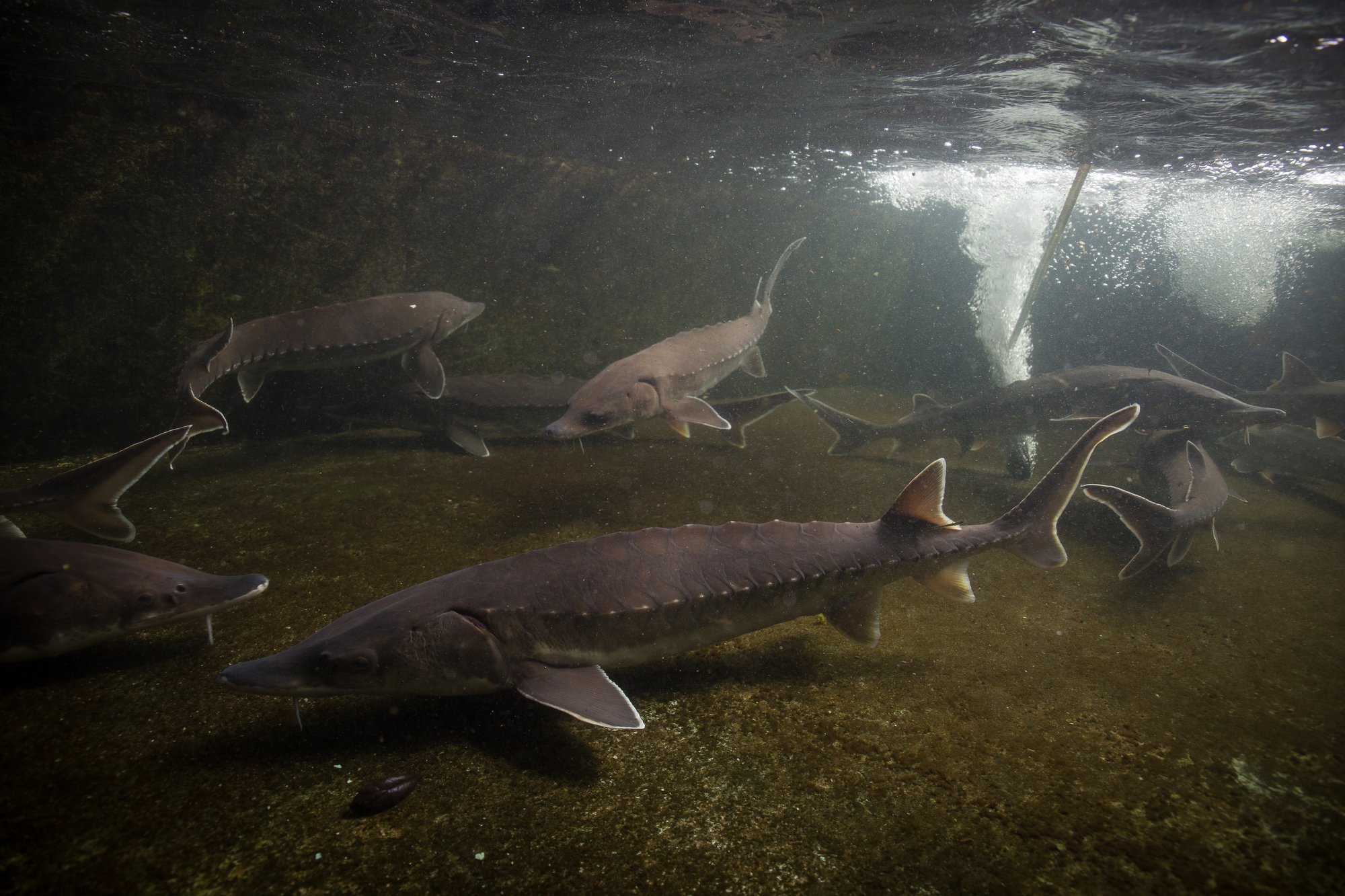
Photo: Ryan Hagerty / USFWS, U.S. Fish and Wildlife Service — Public domain
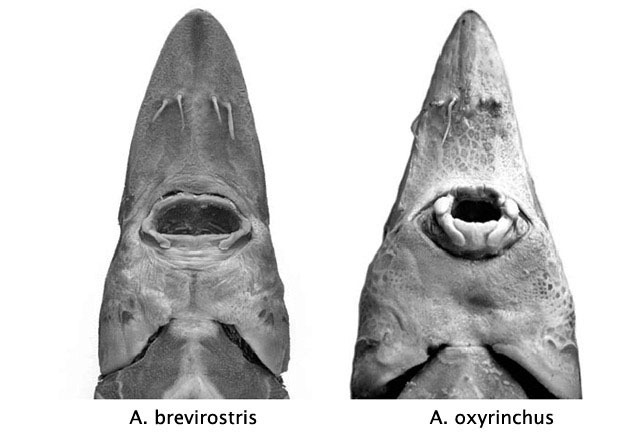
Fig. 68b.Mouth width: shortnose (left) versus Atlantic (right)
Photo: NOAA, National Oceanic and Atmospheric Administration — Public domain (U.S. government work)
- Habitat
- Chesapeake Bay, Tidal rivers
- Methods
- Shore, Kayak, Inshore boat
- Difficulty
- advanced
- Eating
- Usually released
Identification
Look for
- A robust body with a long, flattened snout and 5 rows of bony plates (scutes) running along the top and sides — unmistakable once seen, and genuinely useful for telling a hooked sturgeon apart from a large catfish before it's brought boatside
- 4 barbels on the underside between the mouth and snout, and an asymmetrical tail fin with a longer upper lobe; can exceed 10 feet and 400 pounds
Local waters
- Chesapeake Bay tributaries, especially the James River, during spawning migration
- large coastal rivers generally
Catchable both from shore (shore) and by boat (kayak, inshore boat).
When to fish
Present in the James and other Chesapeake Bay tributaries on a seasonal spawning-migration pattern, not a year-round target — this is not a species anyone should be intentionally fishing for regardless of season.
Tide stage for this kind of water
Rising water on the shallow flats
From: Reading tides without overthinking themWater temperature
The water, not the calendar, sets the season here — a warm October or a cold snap moves these bands.
Water temperature and the seasonsHow to catch it
Catchable both from shore (shore) and by boat (kayak, inshore boat). Technique notes for this species have not been written yet; the baits and rigs below are the documented starting points.
Handling and release
Not a food-use species in this guide (catch-and-release or restricted) — release.
- Federally and state-listed as endangered. It is illegal to target Atlantic sturgeon by angling, and illegal to harass, harm, or take one under state and federal law. If one is accidentally hooked, release it immediately with minimal handling — do not lift it from the water — and see Virginia DWR's own page for current salvage-partner contacts if a dead specimen is encountered.
Where to try
Water that suits atlantic sturgeon
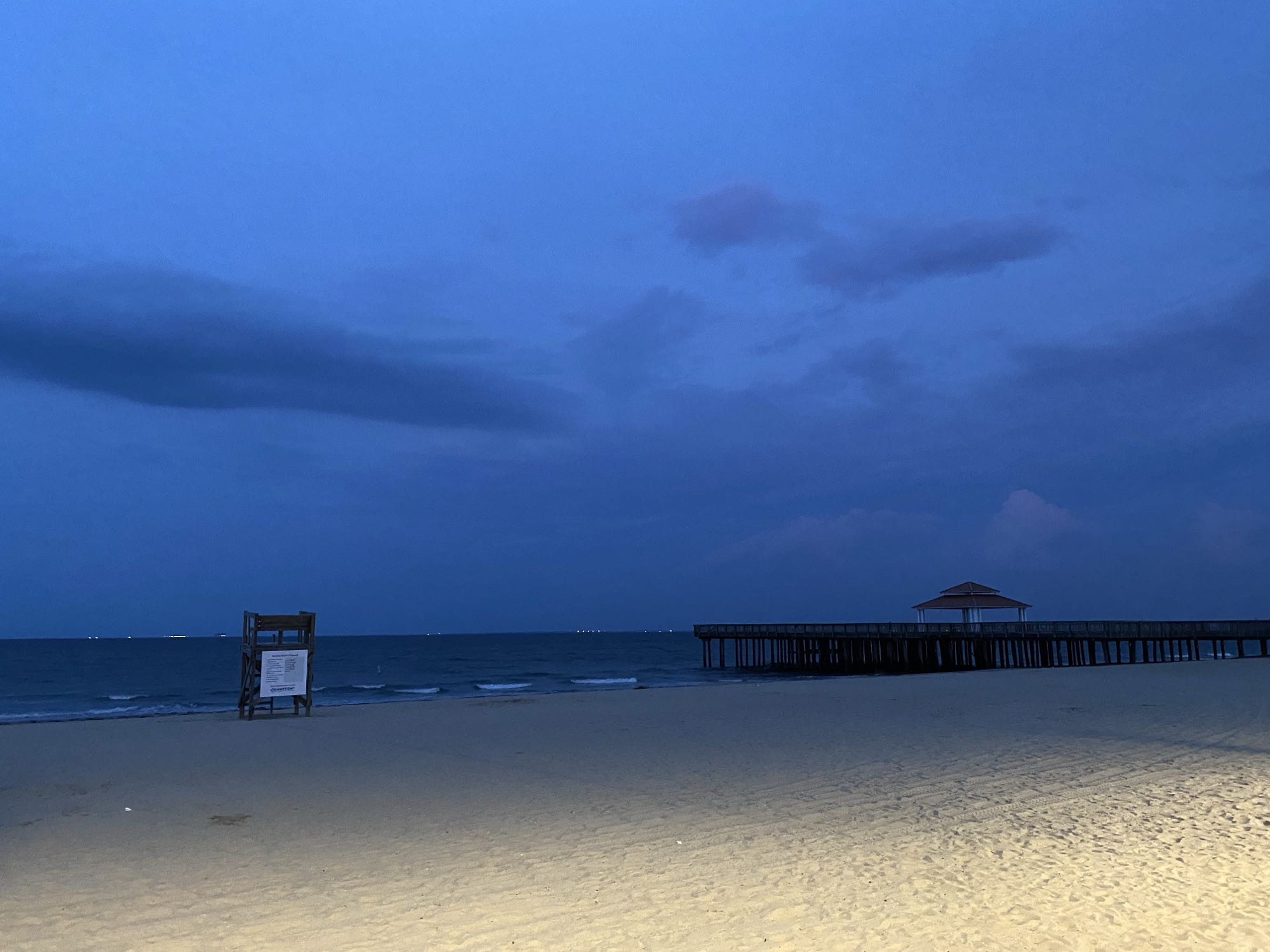
Photo Fuzheado, CC BY-SA 3.0
Fishing pierBeachHabitat matchBuckroe Beach & pier area
Bay-front pier and beach park — the most family-friendly introduction to Chesapeake fishing in Hampton.
6 speciesFamily-friendlyAccessible featuresRestrooms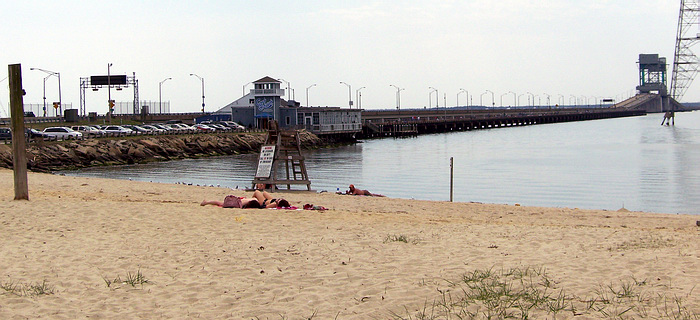
Photo Mytwocents, CC BY-SA 3.0
Fishing pierShorelineHabitat matchJames River pier & shoreline
Long tidal-river pier reaching out over deep water, mixing saltwater panfish with tidal-river species.
5 speciesFamily-friendlyAccessible featuresRestrooms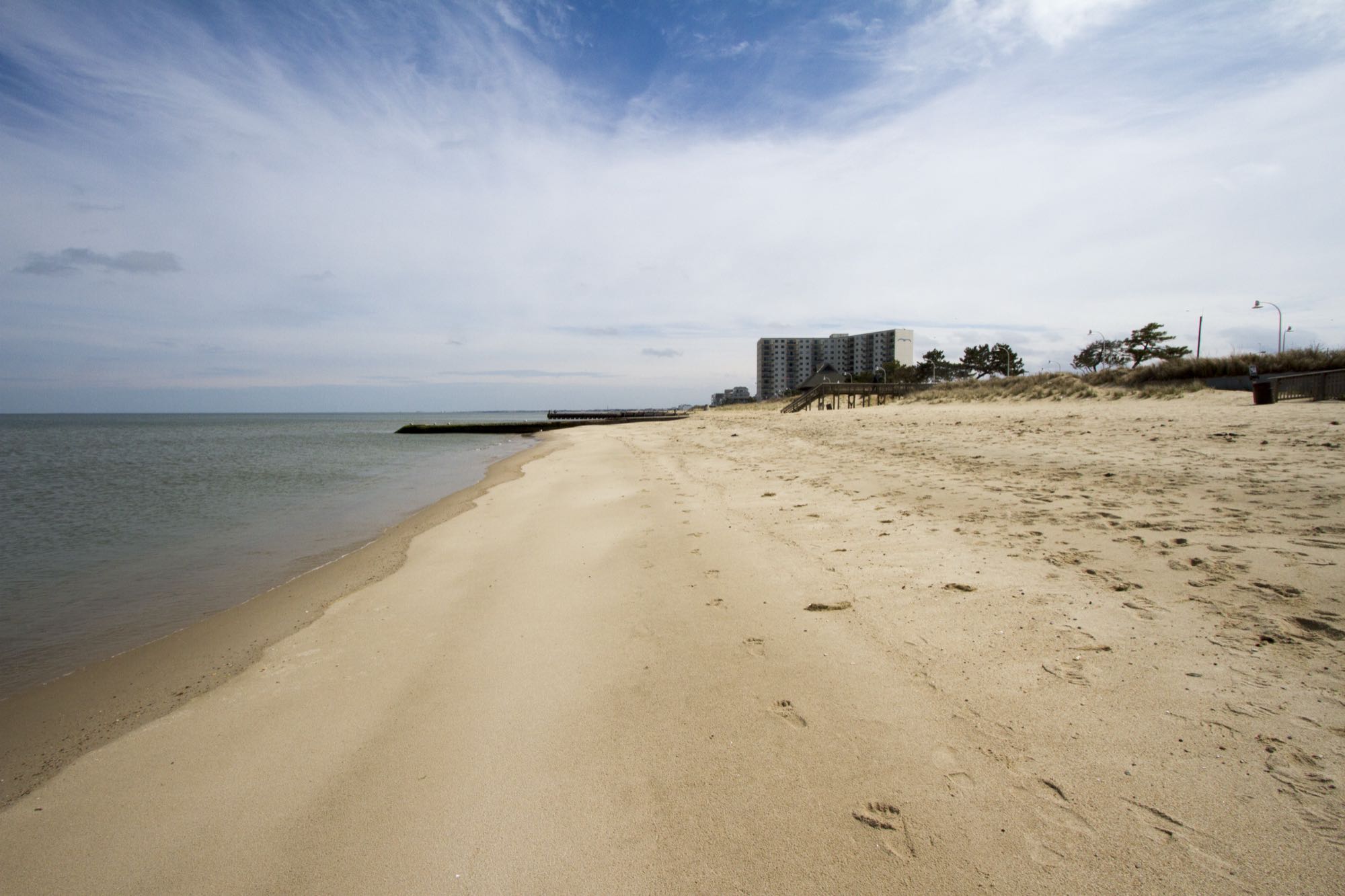
Photo Patrick Bloodgood / U.S. Army Corps of Engineers, Norfolk District, Public domain
ShorelineBeachHabitat matchWilloughby Spit shoreline
Narrow Bay-front spit near major structure — walkable shoreline with surprising depth close to the beach.
4 speciesFamily-friendly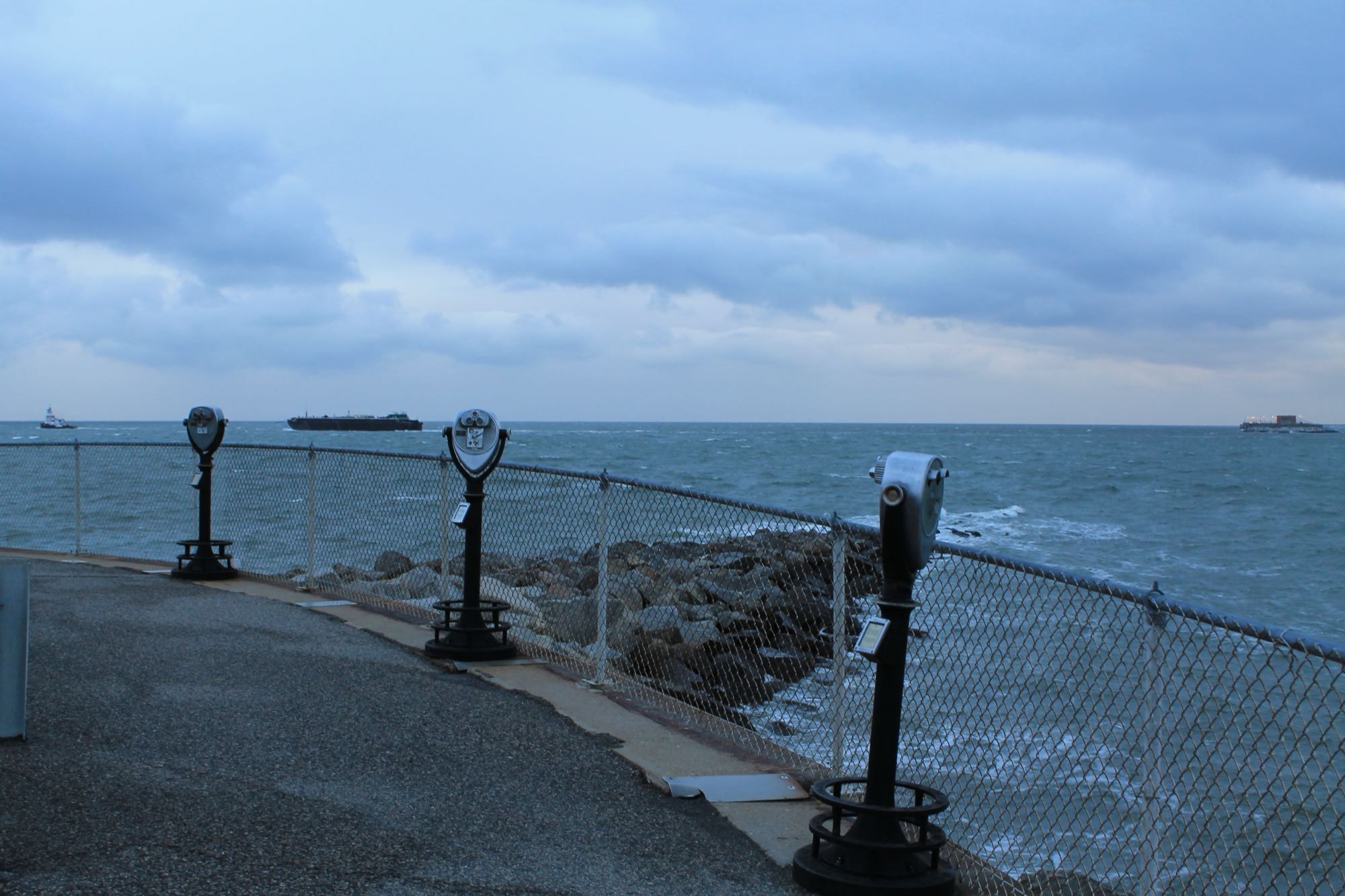
Photo Patrick Nouhailler, CC BY-SA 2.0 (representative)
Boat rampHabitat matchBay-mouth bridge structure (boat)
Miles of pilings, rubble, and channel edges at the Bay mouth — the region's premier structure fishery, boat access only.
6 species- No verified photo yet37.11° N 76.32° WKayak launchShorelineHabitat match
Poquoson marsh kayak launch
Quiet grass-and-creek country for paddlers — shallow water, oyster bars, and very little boat pressure.
4 speciesFamily-friendly - No verified photo yet37.11° N 76.32° WBeachShorelineHabitat match
Grandview Nature Preserve shoreline
A long walk-in Bay shoreline backed by marsh — solitude, wading depth, and a genuinely wild feel inside the city.
5 speciesFamily-friendly


