Spanish Mackerel
Scomberomorus maculatus
Fast, silver, gold-spotted summer schoolers of the lower Bay and nearshore ocean — found under diving birds and caught on small spoons and Gotcha plugs retrieved fast.
Typically present

- 1Gold spots — gold to bronze spots along the sides
- 2Black front of first dorsal — A black patch on the front of the first dorsal fin
- 3Lateral line slopes gently — Lateral line slopes gently along the side
Photo: J. Deeds — Public domain
- Habitat
- Chesapeake Bay
- Methods
- Inshore boat
- Typical size
- 1–3 lb
- Eating
- good
Identification
Look for
- Slender, silver body with gold to bronze spots along the sides and a greenish back
- A black patch on the front of the first dorsal fin — king mackerel's first dorsal is pale
- Lateral line slopes gently along the side rather than dropping sharply under the second dorsal fin
- Typical size here
- 1–3 lb
- Notable fish
- 5 lb-plus fish late in the summer
Tell them apart
Look first: Follow the lateral line: a sharp drop under the second dorsal fin means king.
Spanish Mackerel

| Look at | Spanish Mackerel | |
|---|---|---|
| Lateral line | Slopes gently along the side | Drops sharply below the second dorsal fin |
| First dorsal fin | Black patch on the front portion | Pale and uniform — no dark patch |
| Spots | Gold to bronze spots on the sides at all sizes | Juveniles may show faint yellow spots that fade; adults plain silver |
| Size | Typically 1–3 lb | Commonly 10–30 lb, often much larger |
Local waters
- Open water over structure, often near bait schools
- Nearshore ocean and lower Bay
Primarily a boat fishery here — typically fished by inshore boat. 3 spots in this guide document it — see water to try below.
When to fish
Summer, once the lower Bay and nearshore ocean warm up.
Tide stage for this kind of water
Rising water on the shallow flats
From: Reading tides without overthinking themWater temperature
The water, not the calendar, sets the season here — a warm October or a cold snap moves these bands.
Water temperature and the seasonsHow to catch it
- Look for birds and surface bait in the lower Bay and off the beach; run to the activity and cast Gotcha plugs or small metal, retrieved fast and erratically.
- Troll small spoons behind planers or trolling weights at five to seven knots along the Bay mouth and nearshore, staggering depths until one line gets bit.
- Use a short wire or heavy fluorocarbon bite section — the teeth cut mono.
- Common mistakeretrieving slowly; Spanish want it fast.
Bait & lures
- Small spoons, trolled or cast
- Flashy jigs retrieved fast
Tackle to start with
Rigs for spanish mackerel
All rigs- Sheet 10Lureintermediate
Bucktail jigging rig
For striped bass, flounder, bluefish, spanish mackerel from inlet, bridge, bay, offshore.
Striped BassFlounderBluefish - Sheet 27Lureintermediate
Spanish mackerel trolling and casting setup
For spanish mackerel from bay, offshore.
Spanish Mackerel - Sheet 07Lureintermediate
Basic trolling setup
Spanish mackerel, bluefish, and open-water searching from a boat.
Inshore boatOffshore
Packing lists written for it
On the table
Rich, oily, dark-fleshed — excellent fresh off the grill or smoked, poor frozen. Bleed and ice on the spot. Confirm current limits with VMRC.
- Sharp teeth — use pliers. Bleed and ice right away; the flesh goes soft fast.
- Best eaten within a day or two; it freezes poorly.
Recipes written for it
Where to try
Water that suits spanish mackerel
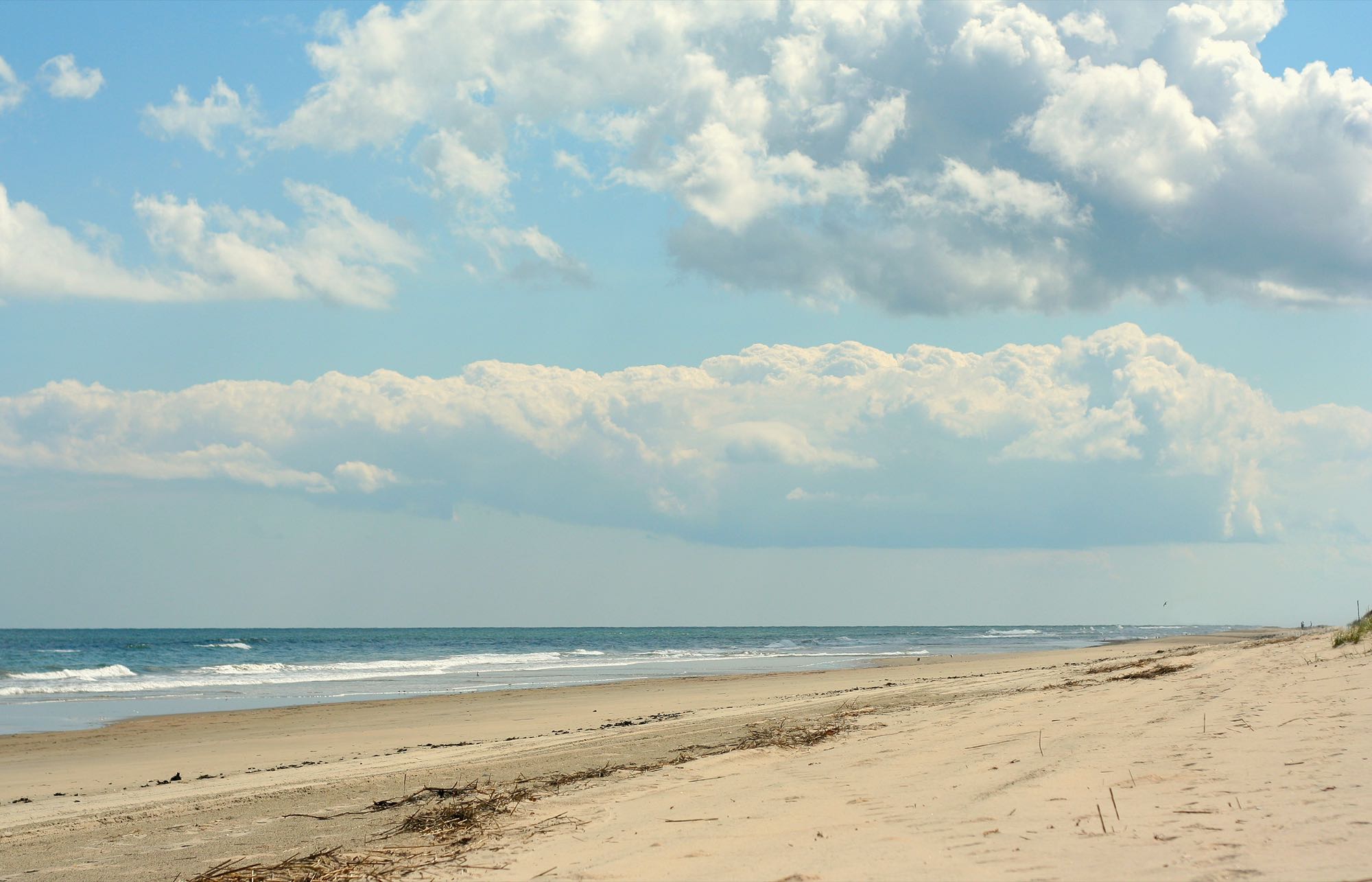
Photo Brent Hoard, CC BY 2.0
BeachSandbridge Beach surf
Open Atlantic beach with sandbars, troughs, and cuts — classic surf fishing with plenty of room to spread out.
4 speciesFamily-friendlyRestrooms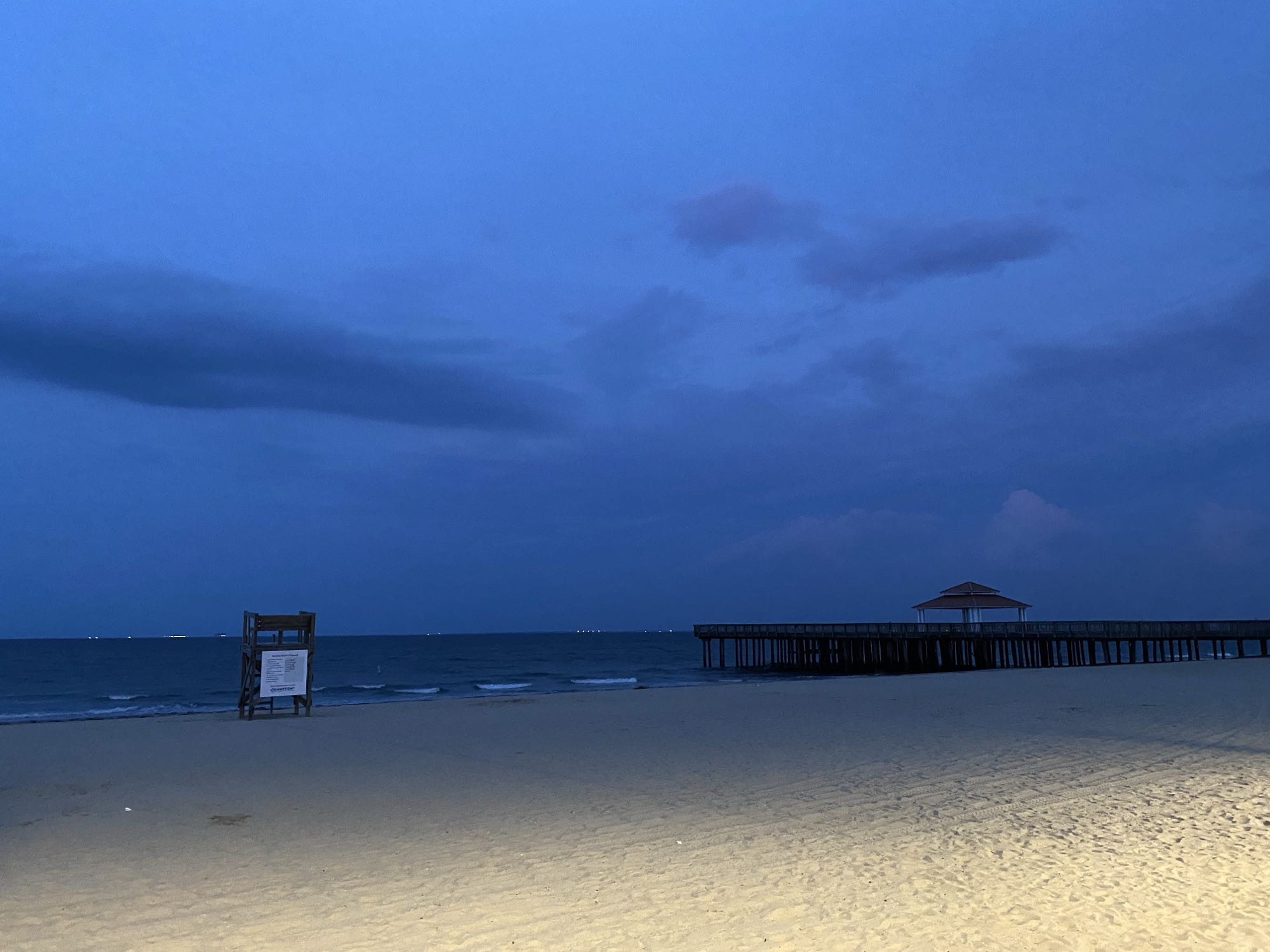
Photo Fuzheado, CC BY-SA 3.0
Fishing pierBeachBuckroe Beach & pier area
Bay-front pier and beach park — the most family-friendly introduction to Chesapeake fishing in Hampton.
6 speciesFamily-friendlyAccessible featuresRestrooms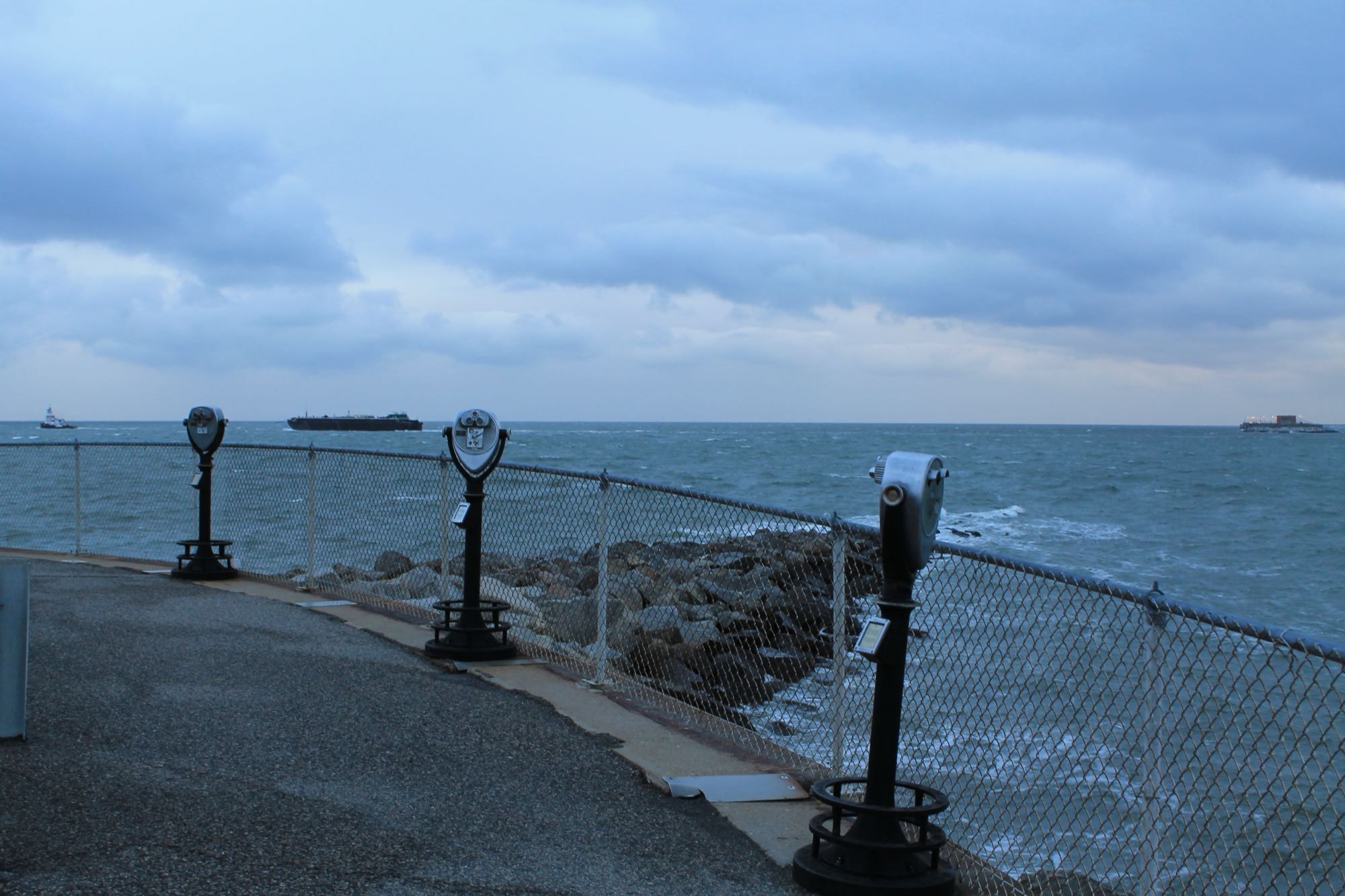
Photo Patrick Nouhailler, CC BY-SA 2.0 (representative)
Boat rampBay-mouth bridge structure (boat)
Miles of pilings, rubble, and channel edges at the Bay mouth — the region's premier structure fishery, boat access only.
6 species


