Flounder
Paralichthys dentatus — also called summer flounder, fluke
Summer flounder, the fluke — a left-eyed ambush fish of the inlets, channel edges, and pier pilings, and the most reliable keeper for a shore angler from late spring through fall.
Typically present

- 1Ringed spots — at least 5 dark spots arranged in an X pattern
- 2Both eyes on the left — Both eyes on the left side of the head
- 3Drab above — Brown/gray/drab above
Photo: Smithsonian, Smithsonian Institution — CC BY 2.0
- Habitat
- Inlets, Bridges & shorelines
- Methods
- Inshore boat, Surf, Pier
- Typical size
- 15–20 in
- Eating
- good
Identification
Look for
- Both eyes on the left side of the head when viewed from above (a 'left-eyed' flatfish)
- Brown/gray/drab above with at least 5 dark spots arranged in an X pattern, white below; can change color to match the bottom
- Typical size here
- 15–20 in
- Notable fish
- 'Doormats' past 24 in, most often near the inlets and the Bridge-Tunnel
Tell them apart
Look first: Ringed spots mean summer flounder; diffuse blotches mean southern.
Flounder

| Look at | Flounder | |
|---|---|---|
| Spots | Five or more distinct ringed (ocellated) spots, often five in a pattern toward the tail | No ringed spots — diffuse dark blotches on a brownish upper side |
| Eyes | Both on the left side | Both on the left side — not a tell |
| Water | Inlets, surf, channel edges, higher salinity | Lower-salinity creeks and rivers, often well upriver |
| Gill rakers | About 15 or more on the lower arch | About 9–10 — a hand-lens count, not a glance |
Local waters
- Inlets and channel edges
- Structure near sandy or shell bottom
- Docks and bridge pilings
Catchable both from shore (surf, pier) and by boat (inshore boat). 6 spots in this guide document it — see water to try below.
When to fish
Late spring through fall, best during the fall migration toward the ocean.
Tide stage for this kind of water
Any strong current, either direction
From: Reading tides without overthinking themWater temperature
The water, not the calendar, sets the season here — a warm October or a cold snap moves these bands.
Water temperature and the seasonsHow to catch it
- Flounder ambush from the sand, so movement is everything: drag a Carolina-rigged minnow or a bucktail slowly with the current, pausing every few feet.
- Fish the transitions — channel edges, the down-current side of pilings and inlet rocks, and the line where sand meets shell.
- When you feel the tap, give a slow three-count or feel for weight before lifting; flounder often grab the tail first, which is what the stinger-hook rig is for.
- A strip of squid or a Gulp! trailer on the bucktail adds scent and stays on when the bite is short.
- Common mistakelifting on the first tap and pulling the bait away from a fish that has not turned it yet.
Bait & lures
- Bucktail tipped with Gulp! or a minnow
- Live mud minnows or finger mullet on a Carolina rig
Tackle to start with
Rigs for flounder
All rigs- Sheet 09Bottombeginner
Fish-finder rig (Carolina style)
For flounder, red drum, black drum, channel catfish from inlet, river, bay, bridge.
FlounderRed DrumBlack Drum - Sheet 03Floatbeginner
Popping cork rig
For speckled trout, red drum, flounder from bay, marsh, inlet.
Speckled TroutRed DrumFlounder - Sheet 10Lureintermediate
Bucktail jigging rig
For striped bass, flounder, bluefish, spanish mackerel from inlet, bridge, bay, offshore.
Striped BassFlounderBluefish
Packing lists written for it
On the table
Mild, lean, fine-flaked white fillets, four to a fish; fry, sauté, bake, or stuff. Freezes better than most local fish. Confirm current limits with VMRC.
- Sharp teeth and gill plates — grip behind the head or use a lip gripper; a flat, wet surface keeps a release fish calm.
- Lay kept fish flat in slush ice; flounder keep well on ice for a day or two.
Recipes written for it
Where to try
Water that suits flounder
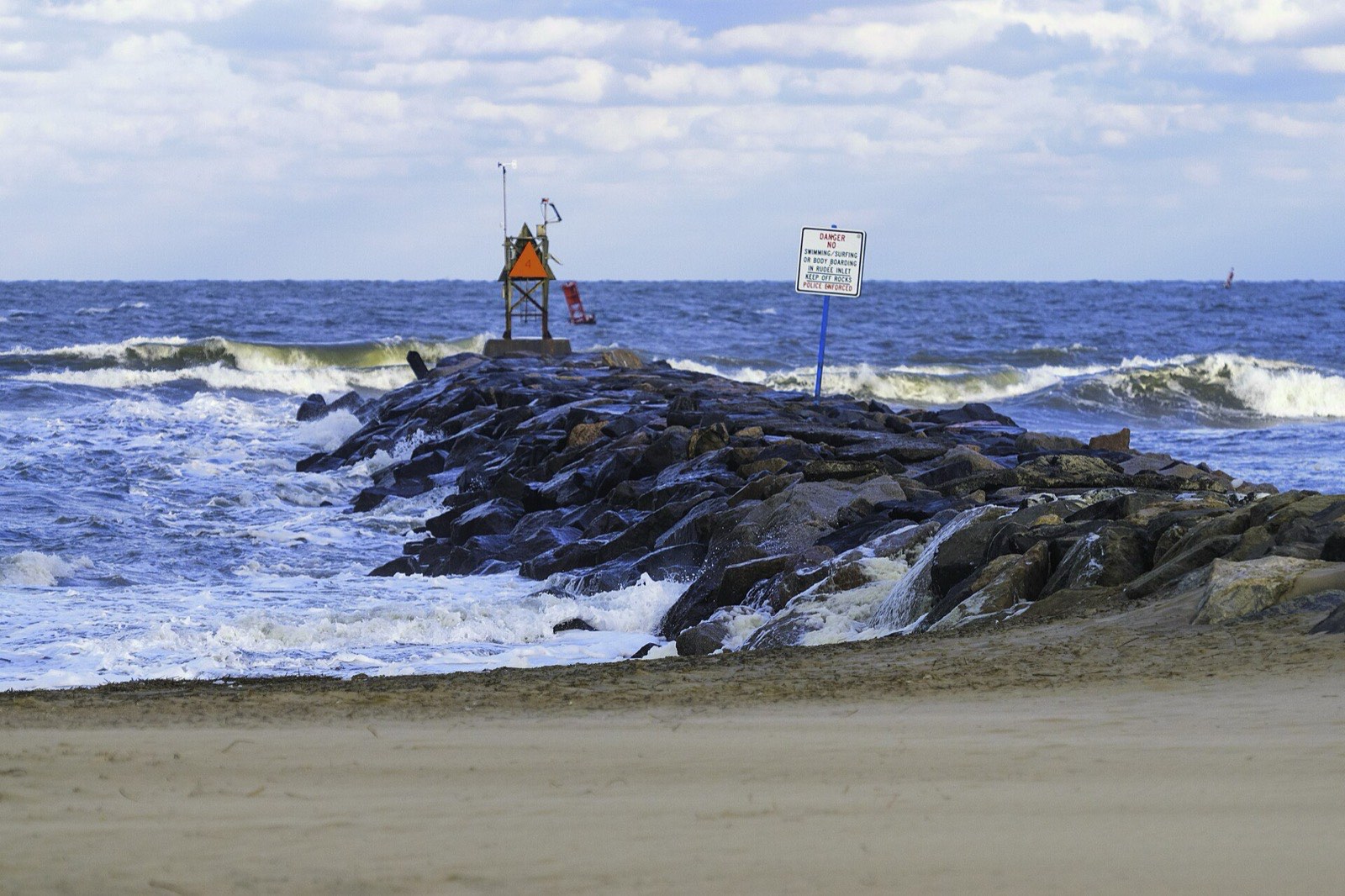
Photo PumpkinSky, CC BY-SA 3.0
ShorelineBeachRudee Inlet jetty & shoreline
Hard structure meeting ocean current — a technical spot that rewards anglers who read moving water.
6 speciesRestrooms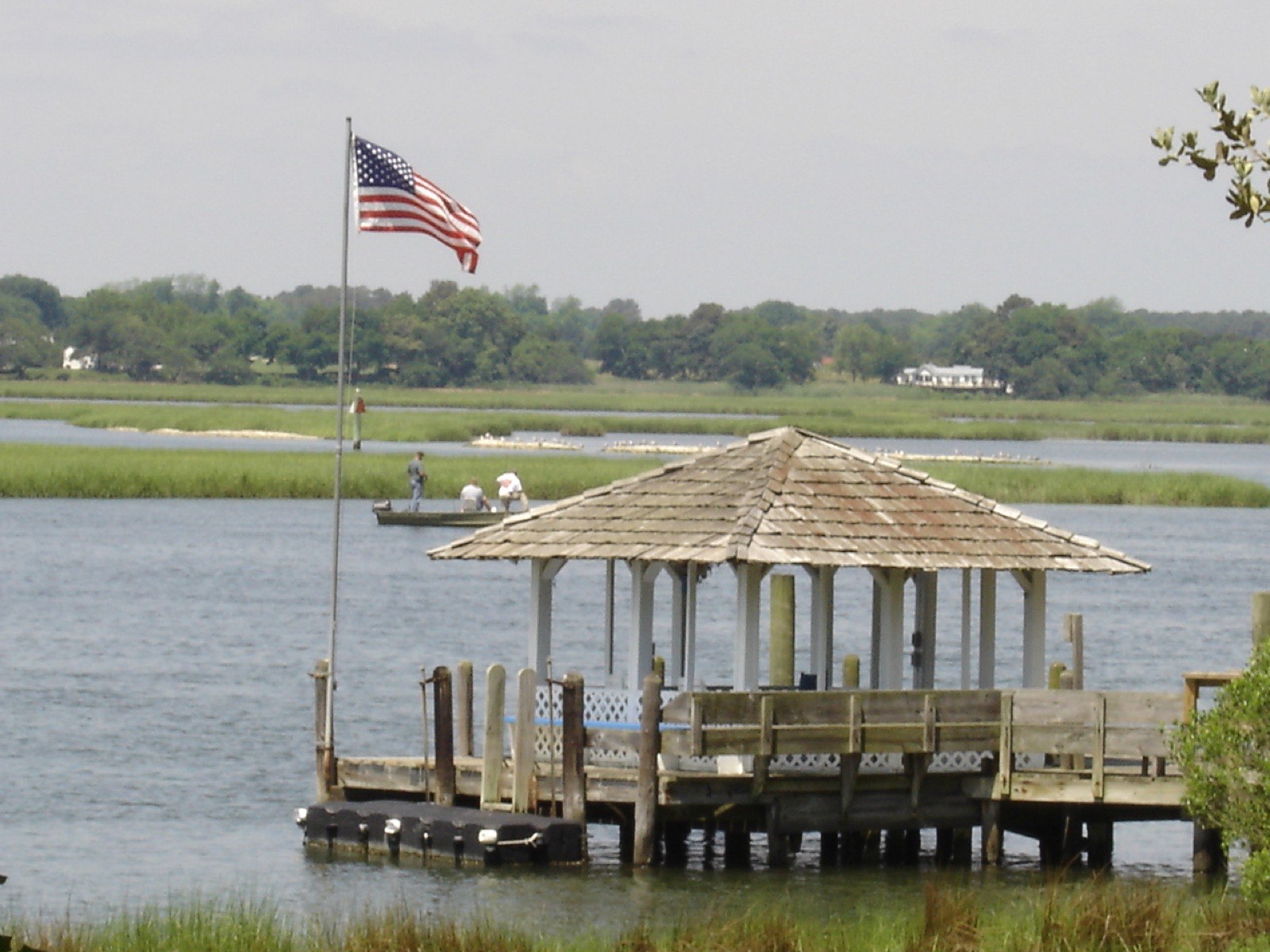
Photo BrandlandUSA, Public domain (representative)
ShorelineKayak launchLynnhaven Inlet — Boat Ramp & Beach Facility
The historic Lynnhaven Fishing Pier closed in 2017 and was sold — today's public access is the city's Lynnhaven Boat Ramp & Beach Facility, plus some bank fishing along the beach and riprap.
3 speciesAccessible features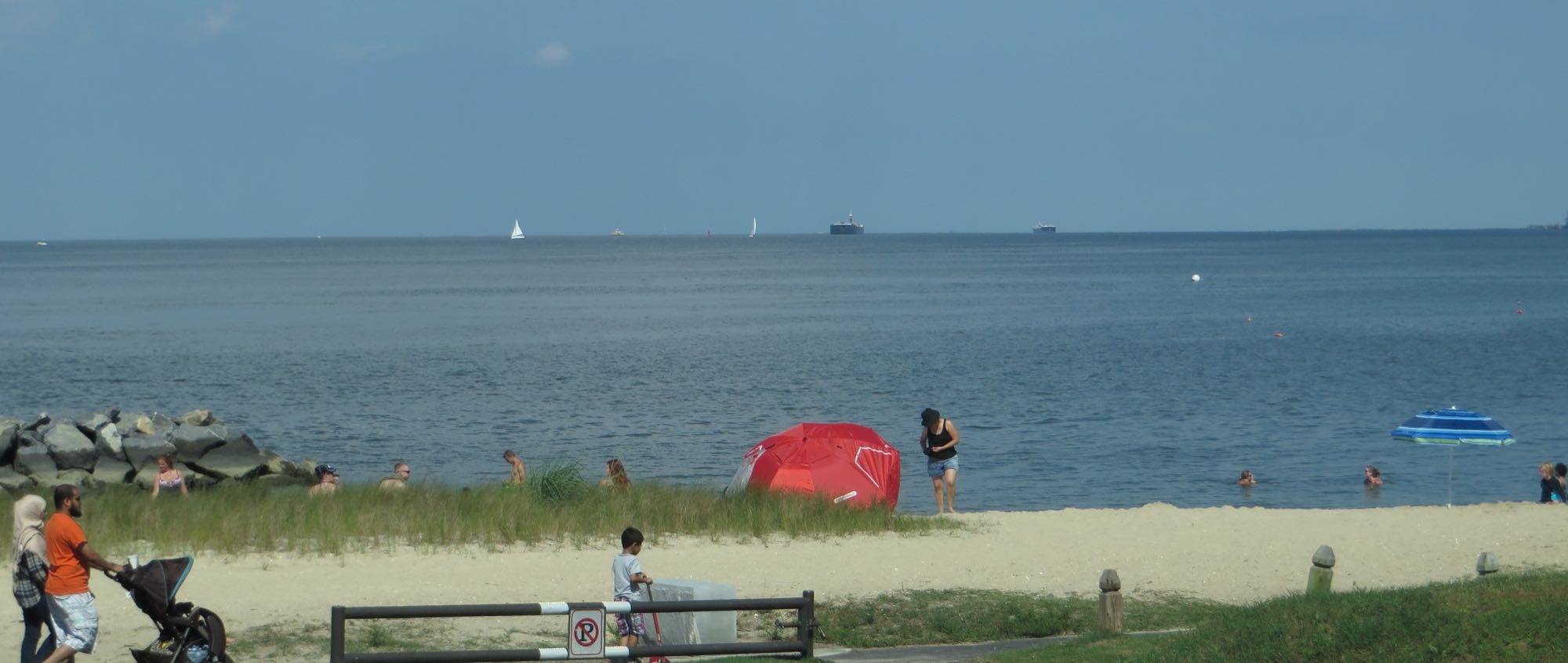
Photo Ken Lund, CC BY-SA 2.0
Fishing pierShorelineYorktown Beach & Fishing Pier
A free, ADA-accessible pier on the York River in Historic Yorktown — no fishing license needed from the pier itself, open nearly around the clock.
4 speciesFamily-friendlyAccessible features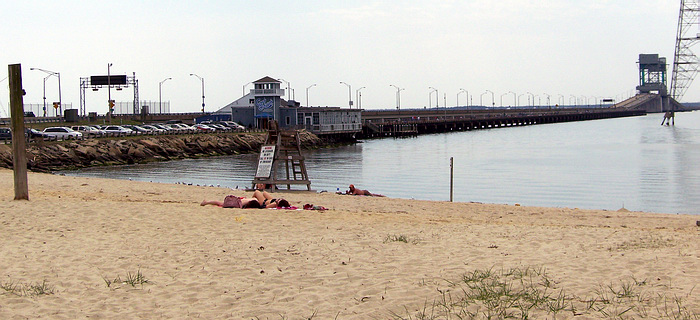
Photo Mytwocents, CC BY-SA 3.0
Fishing pierShorelineJames River pier & shoreline
Long tidal-river pier reaching out over deep water, mixing saltwater panfish with tidal-river species.
5 speciesFamily-friendlyAccessible featuresRestrooms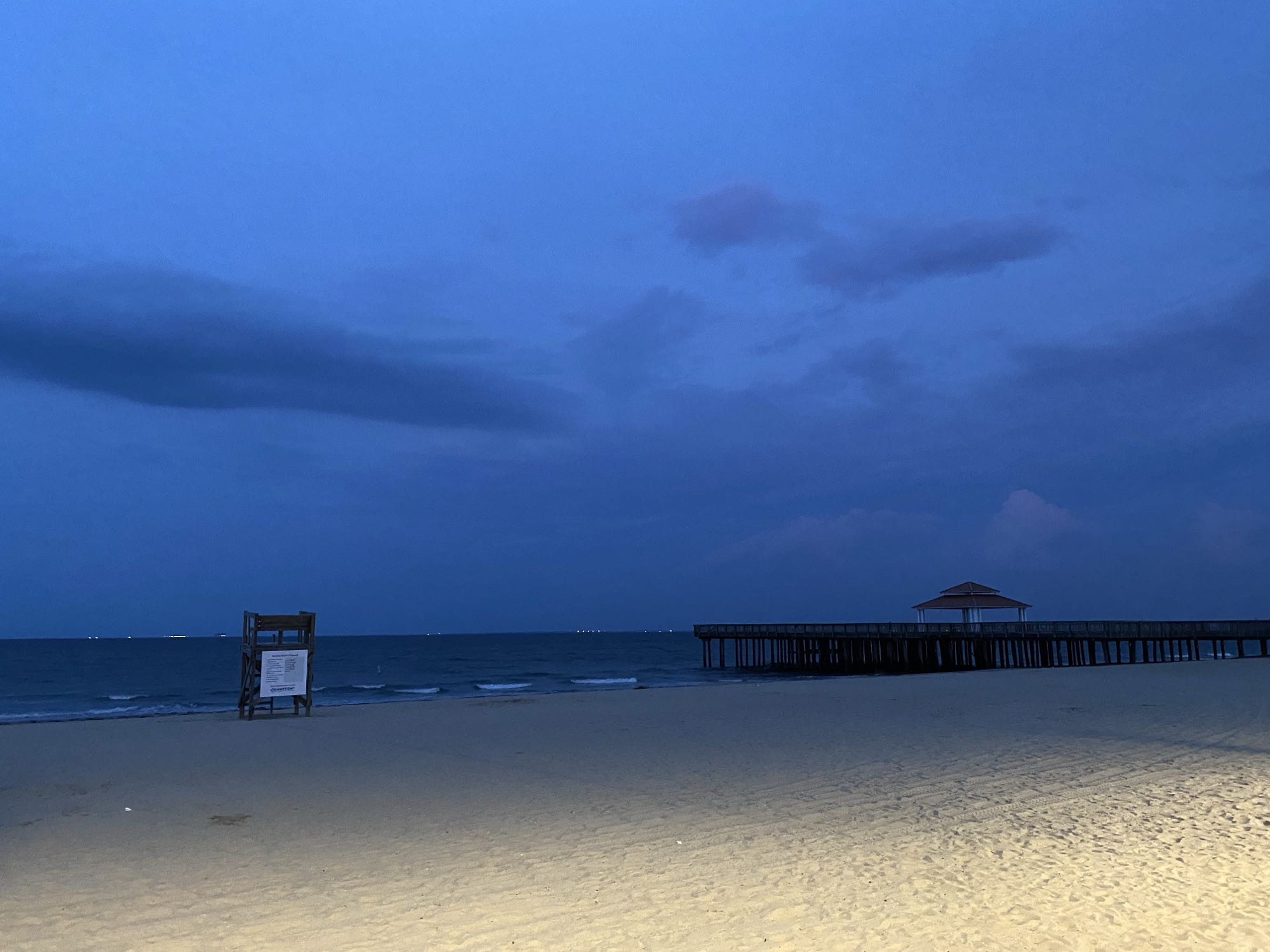
Photo Fuzheado, CC BY-SA 3.0
Fishing pierBeachBuckroe Beach & pier area
Bay-front pier and beach park — the most family-friendly introduction to Chesapeake fishing in Hampton.
6 speciesFamily-friendlyAccessible featuresRestrooms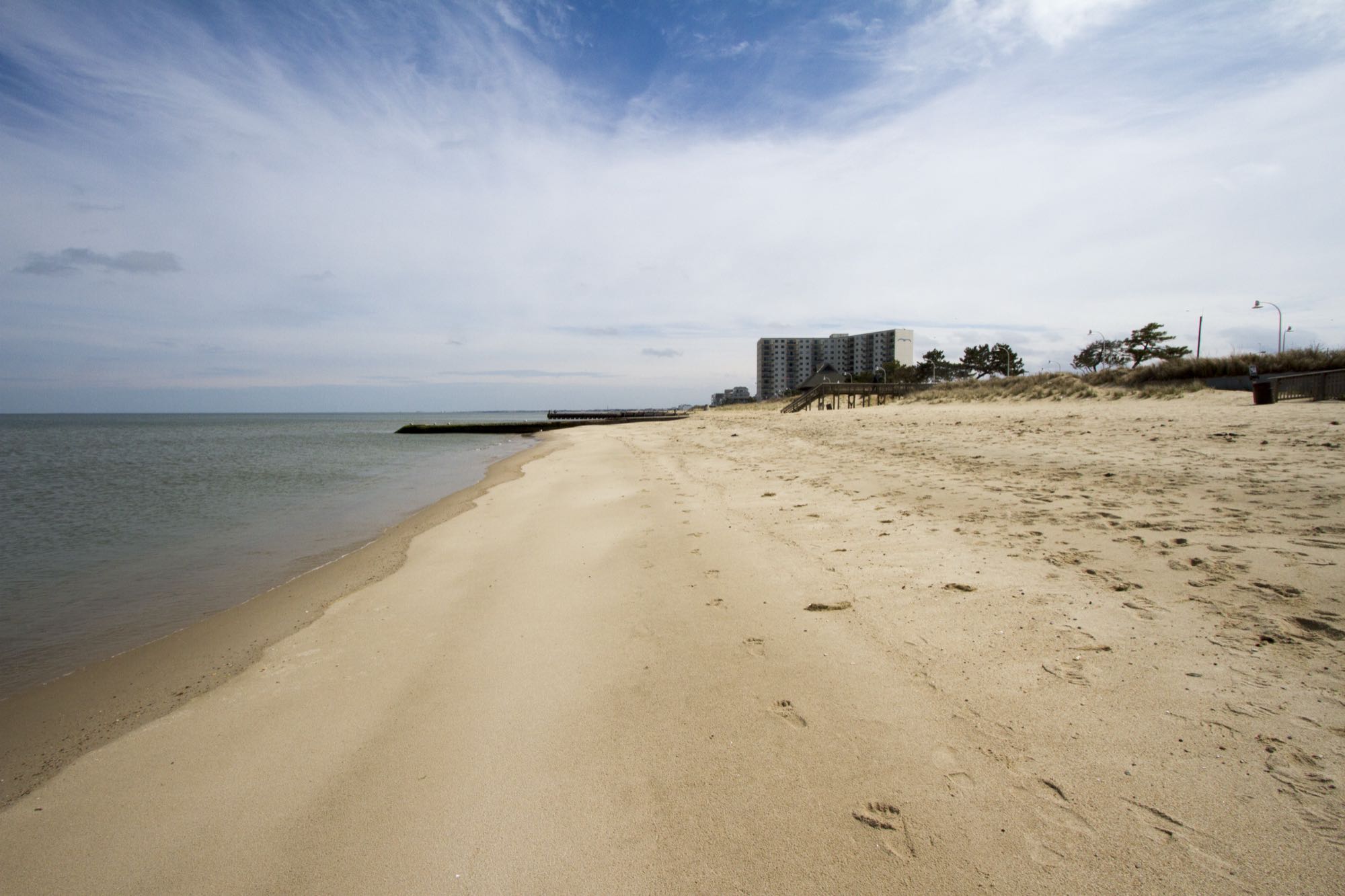
Photo Patrick Bloodgood / U.S. Army Corps of Engineers, Norfolk District, Public domain
ShorelineBeachWilloughby Spit shoreline
Narrow Bay-front spit near major structure — walkable shoreline with surprising depth close to the beach.
4 speciesFamily-friendly


