Weakfish
Cynoscion regalis — also called gray trout, grey trout, tiderunner (large)
The gray trout — a soft-mouthed, iridescent relative of the speckled trout found over grass flats and in the Bay's tidal creeks from spring into fall, far scarcer than it once was.
Typically present

- 1Yellow fins — yellow fins
- 2Dark olive back — A dark olive back
Photo: Lee Weigt / Smithsonian Environmental Research Center, Smithsonian Institution — CC BY 2.0
- Habitat
- Marshes & creeks, Chesapeake Bay
- Methods
- Shore, Kayak, Inshore boat
- Typical size
- 12–18 in
- Eating
- good
Identification
Look for
- A dark olive back with iridescent blue-and-copper sides, a silvery-white belly, and yellow fins — the key tell versus speckled trout (Virginia's other, more commonly caught 'trout'): weakfish's dark spots are diffuse and often form diagonal lines, where speckled trout's spots are well-defined round dots that extend onto the dorsal and tail fins
- Large canine teeth in the upper jaw, the same soft, easily-torn mouth ('weak' mouth) that gives the species its name and makes a light hook-set important
- Typical size here
- 12–18 in
- Notable fish
- 'Tiderunners' past 5 lb are rare today compared with past decades
Tell them apart
Look first: Check whether the spots run onto the tail and dorsal fin.
Weakfish

| Look at | Weakfish | |
|---|---|---|
| Spots | Small, diffuse spots in loose diagonal rows; none on the fins | Distinct round black spots on the back that continue onto the second dorsal fin and tail |
| Fins | Yellow-tinged, especially the pelvic and anal fins | Grey to dusky |
| Colour | Iridescent lavender, blue, and copper on the back and sides | Silvery grey with a greenish back |
| Mouth | Same fangs; the mouth tears easily, hence 'weak' fish | Two canine fangs in the upper jaw — both species have them |
Local waters
Chesapeake Bay tributaries, tidal creeks, and nearshore coastal waters, often over grass flats and sandy/muddy bottom
Catchable both from shore (shore) and by boat (kayak, inshore boat).
When to fish
Spring (April-May) through early fall (September-October) is the best window regionally.
Tide stage for this kind of water
Falling water at the creek mouths
From: Reading tides without overthinking themWater temperature
The water, not the calendar, sets the season here — a warm October or a cold snap moves these bands.
Water temperature and the seasonsHow to catch it
- Soft-plastic jigs (1/4 to 3/8 oz) worked slowly near the bottom over grass flats and along channel edges, especially at dusk.
- Shrimp, bloodworm, or squid on a light two-hook bottom rig in the Bay's tidal creeks and river mouths.
- Set the hook gently and keep steady pressure — the mouth tears.
Bait & lures
- Live or fresh shrimp
- Bloodworms or squid strips
- Small live menhaden or anchovies
- Soft-plastic jigs worked slowly near bottom
Tackle to start with
Rigs for weakfish
All rigs- Sheet 06Lurebeginner
Jig head and soft plastic
For speckled trout, red drum, flounder, striped bass from bay, marsh, inlet, river, lake, bridge.
Speckled TroutRed DrumFlounder - Sheet 05Bottombeginner
High-low (double-drop) bottom rig
For spot, croaker, whiting (southern kingfish), black drum from pier, bridge, surf.
SpotCroakerWhiting (Southern Kingfish) - Sheet 03Floatbeginner
Popping cork rig
For speckled trout, red drum, flounder from bay, marsh, inlet.
Speckled TroutRed DrumFlounder
Packing lists written for it
On the table
Delicate, soft-textured white flesh that must be iced quickly; sauté or bake gently and eat fresh. Confirm current limits with VMRC (listed as gray trout).
- Also sold and regulated in Virginia as 'grey trout' — check current regulations under that name too.
- Soft mouth — light drag, no heavy hookset, and support the fish for release.
Where to try
Water that suits weakfish
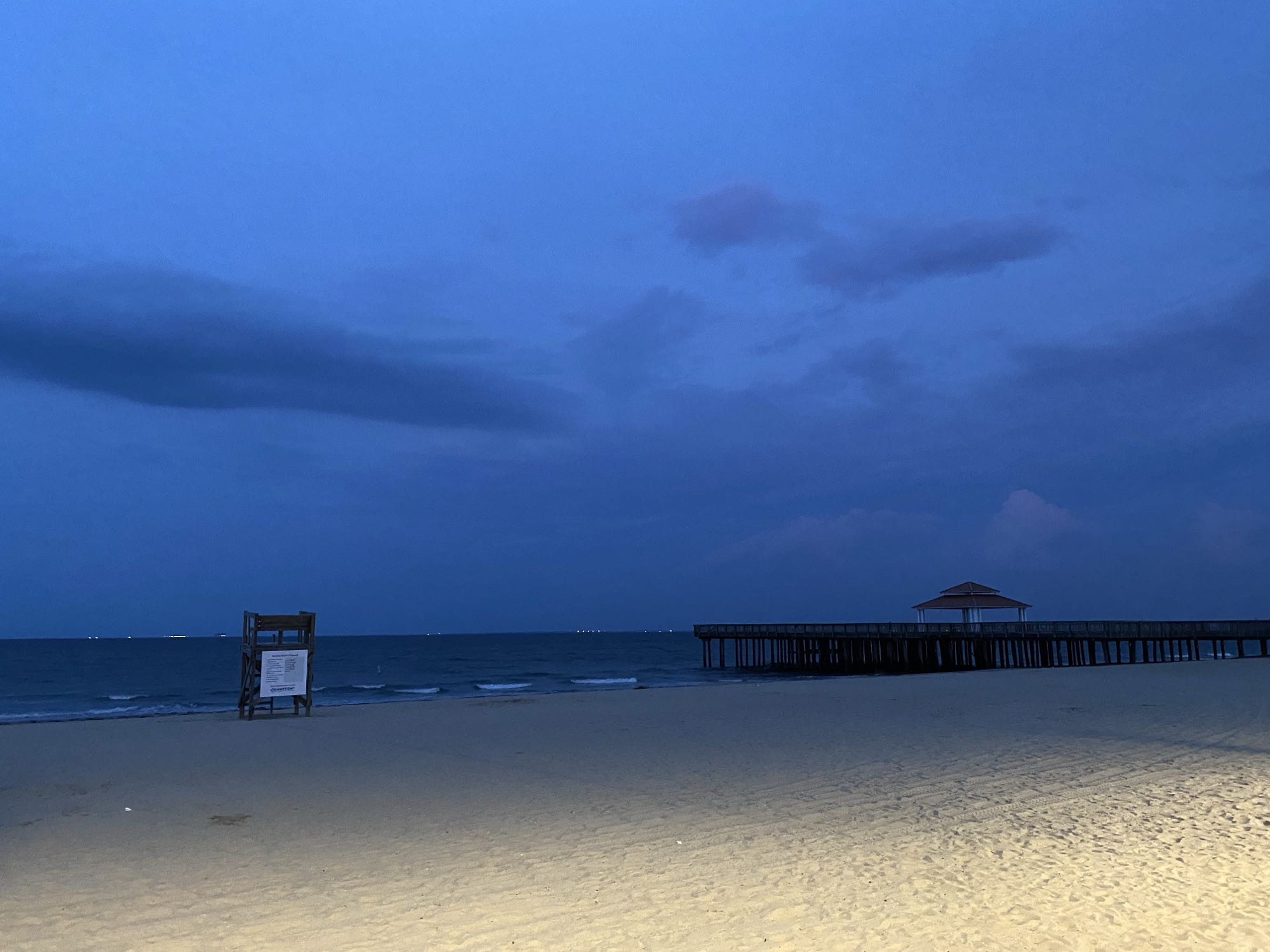
Photo Fuzheado, CC BY-SA 3.0
Fishing pierBeachHabitat matchBuckroe Beach & pier area
Bay-front pier and beach park — the most family-friendly introduction to Chesapeake fishing in Hampton.
6 speciesFamily-friendlyAccessible featuresRestrooms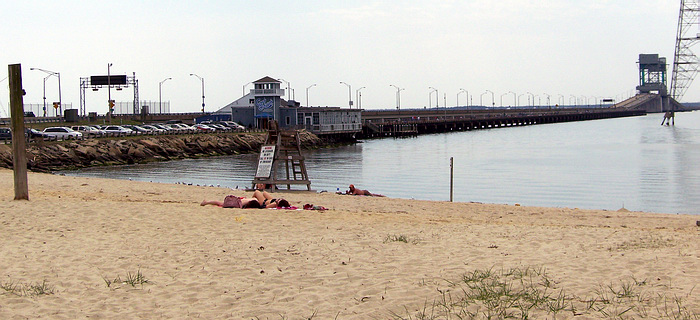
Photo Mytwocents, CC BY-SA 3.0
Fishing pierShorelineHabitat matchJames River pier & shoreline
Long tidal-river pier reaching out over deep water, mixing saltwater panfish with tidal-river species.
5 speciesFamily-friendlyAccessible featuresRestrooms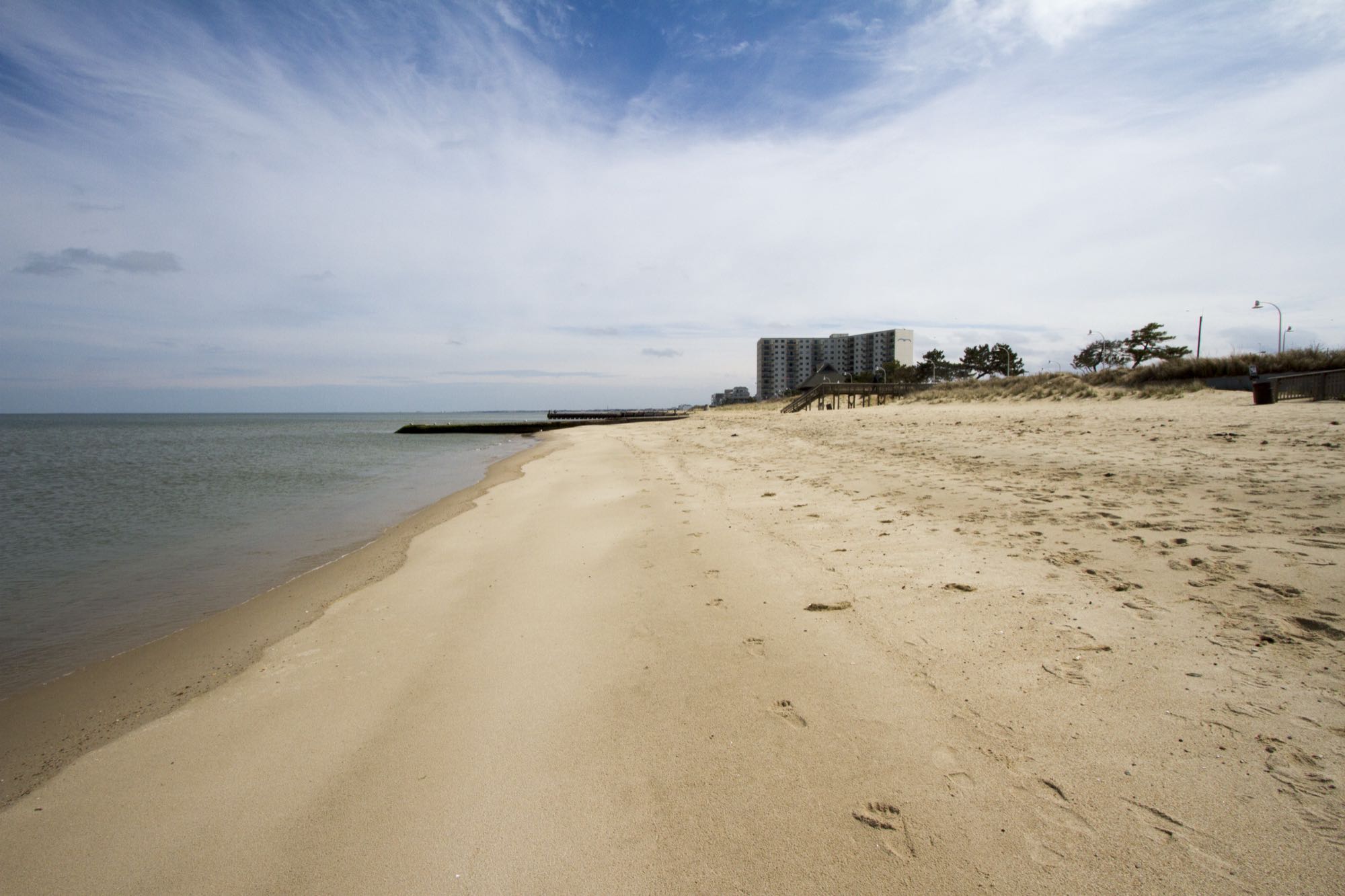
Photo Patrick Bloodgood / U.S. Army Corps of Engineers, Norfolk District, Public domain
ShorelineBeachHabitat matchWilloughby Spit shoreline
Narrow Bay-front spit near major structure — walkable shoreline with surprising depth close to the beach.
4 speciesFamily-friendly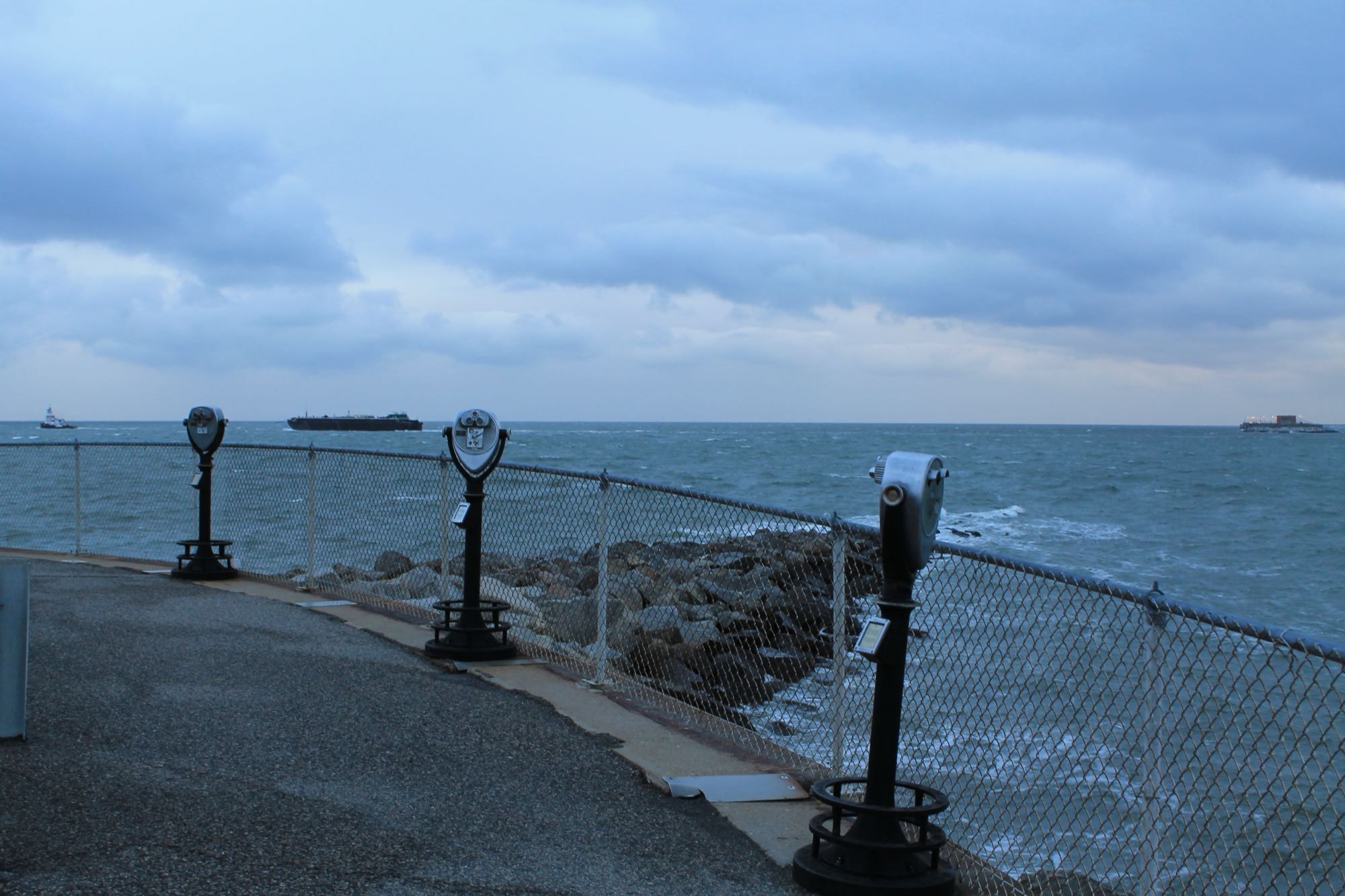
Photo Patrick Nouhailler, CC BY-SA 2.0 (representative)
Boat rampHabitat matchBay-mouth bridge structure (boat)
Miles of pilings, rubble, and channel edges at the Bay mouth — the region's premier structure fishery, boat access only.
6 species- No verified photo yet37.11° N 76.32° WKayak launchShorelineHabitat match
Poquoson marsh kayak launch
Quiet grass-and-creek country for paddlers — shallow water, oyster bars, and very little boat pressure.
4 speciesFamily-friendly - No verified photo yet37.11° N 76.32° WBeachShorelineHabitat match
Grandview Nature Preserve shoreline
A long walk-in Bay shoreline backed by marsh — solitude, wading depth, and a genuinely wild feel inside the city.
5 speciesFamily-friendly


