Sheepshead
Archosargus probatocephalus — also called convict fish
The striped, buck-toothed structure specialist of pilings, jetties, and the Bridge-Tunnel — a crab-eater with a famously subtle bite and an excellent, hard-won fillet.
Typically present

- 15–7 black bars — Five to seven sharp black vertical bars
- 2Heavy dorsal spines — heavy, sharp dorsal spines
- 3Deep, flat-sided — Deep, flat-sided body
Illustration: Tarleton H. Bean (Freshwater and Marine Image Bank), Freshwater and Marine Image Bank, University of Washington — Public domainLong edge is 538px, below this project's 1600px preference. Accepted because it is the best rights-clear, correctly-identified photo found for this species — see SPECIES_PHOTO_AUDIT.md for the source search record.
- Habitat
- Chesapeake Bay, Bridges & shorelines
- Methods
- Surf, Pier, Shore
- Typical size
- 2–6 lb
- Eating
- good
Identification
Look for
- Five to seven sharp black vertical bars on a silver-grey body that stay for life — the 'convict' pattern
- Broad, human-like incisor teeth at the front of the mouth, built for crushing barnacles and crabs
- Deep, flat-sided body with heavy, sharp dorsal spines; no chin barbels (a juvenile black drum has them)
- Typical size here
- 2–6 lb
- Notable fish
- 10 lb-plus fish come off the Bridge-Tunnel pilings
Tell them apart
Look first: Bars on a small drum fade; a sheepshead's stay sharp — and it has teeth, not barbels.
Sheepshead

| Look at | Sheepshead | |
|---|---|---|
| Bars | 5–7 sharp black vertical bars, kept for life | 4–5 bars on juveniles that fade as the fish grows |
| Chin | No barbels | Chin barbels at every size |
| Teeth | Broad, human-like incisors at the front of the mouth | No incisors; crushing teeth in the throat |
| Body | Deep, flat-sided, with heavy dorsal spines | Rounder and heavier through the shoulders |
Local waters
Pilings, jetties, and other barnacle-covered structure
Catchable both from shore (surf, pier) and by boat (inshore boat). 2 spots in this guide document it — see water to try below.
When to fish
Summer through early fall.
Tide stage for this kind of water
Rising water on the shallow flats
From: Reading tides without overthinking themWater temperature
The water, not the calendar, sets the season here — a warm October or a cold snap moves these bands.
Water temperature and the seasonsHow to catch it
- A fiddler crab or a piece of clam on a short leader, dropped straight down and held tight against a piling or the rocks — the bait should touch the structure.
- Watch the line and feel for weight, not a tug: the bite is a soft pressure, and a quick, firm hookset has to come before the crab is crushed off the hook.
- Fish the up-current and the shady side of a piling on a moving tide; scraping barnacles off the piling draws fish in.
- Common mistakewaiting to feel a run — by then the bait is gone.
Bait & lures
- Fiddler crabs or sand fleas fished tight to structure
Tackle to start with
Rigs for sheepshead
All rigsPacking lists written for it
On the table
Sweet, firm white flesh from a shellfish diet — worth the difficult cleaning. Pan-sear, bake, or fry. Confirm current limits with VMRC.
- Sharp dorsal spines and gill-plate edges — grip firmly across the back with a towel or a glove.
- Heavy scales and a tough rib cage make cleaning slow; a sharp, stiff knife or an electric fillet knife helps.
Recipes written for it
Where to try
Water that suits sheepshead
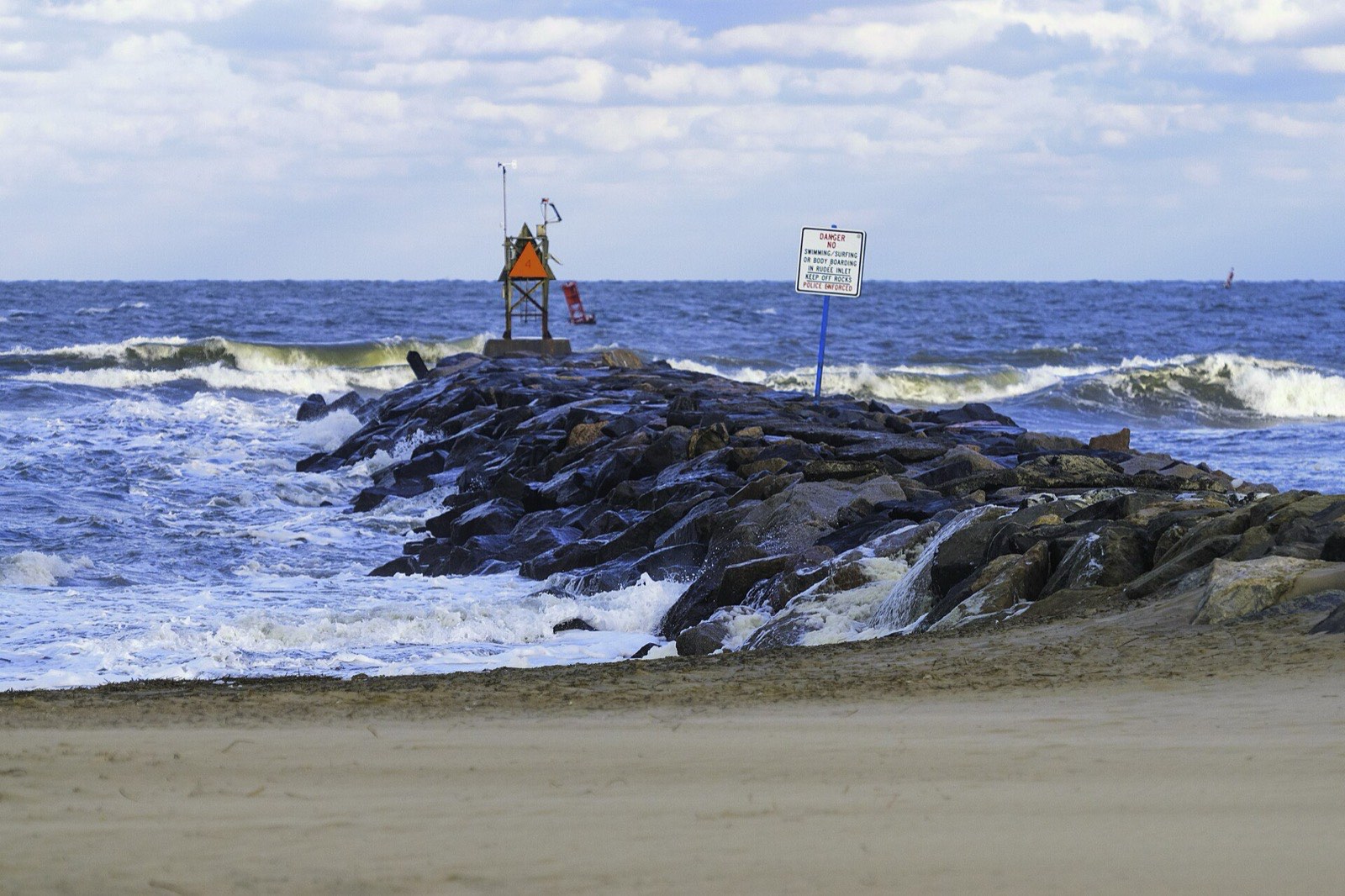
Photo PumpkinSky, CC BY-SA 3.0
ShorelineBeachRudee Inlet jetty & shoreline
Hard structure meeting ocean current — a technical spot that rewards anglers who read moving water.
6 speciesRestrooms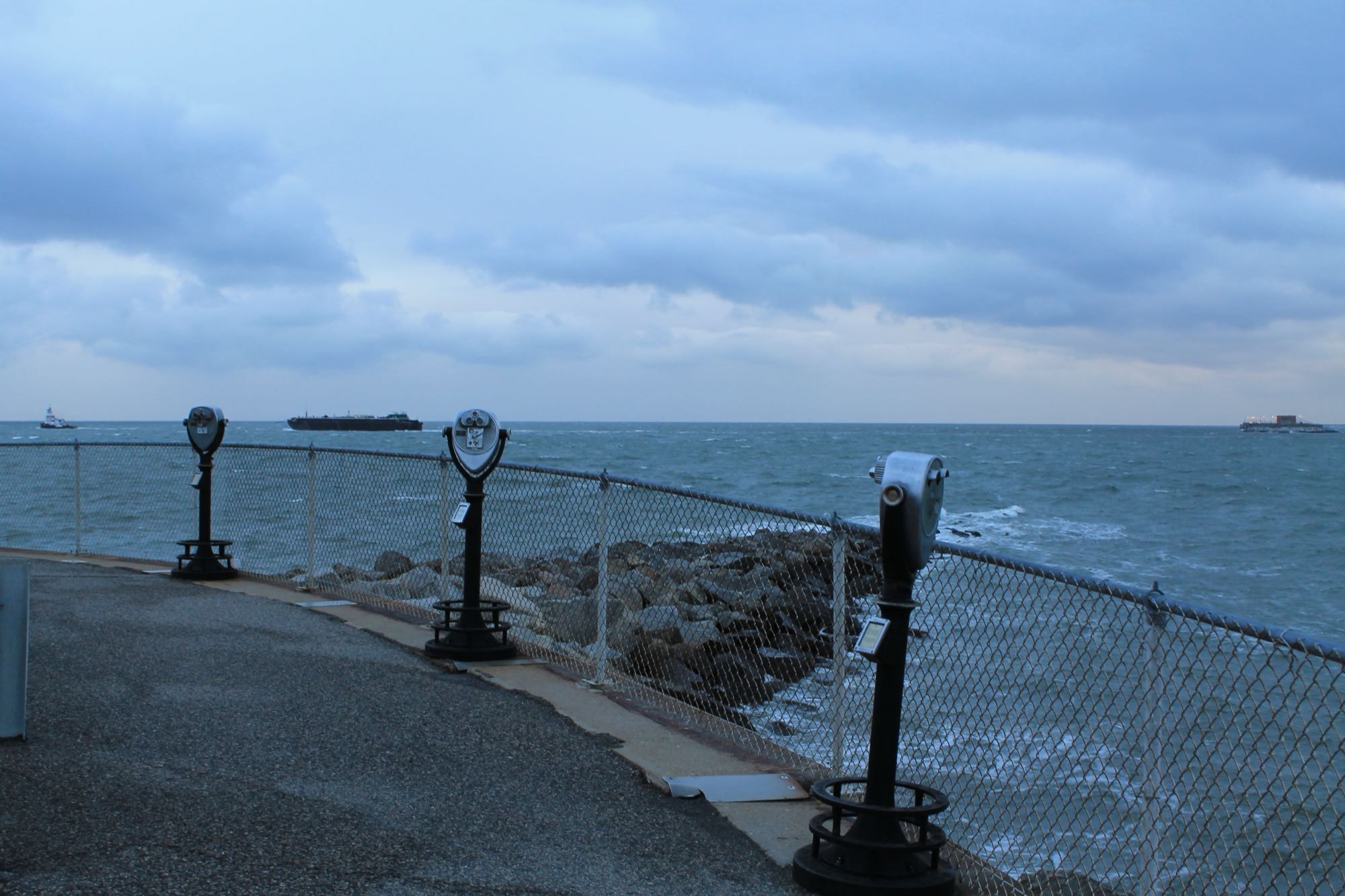
Photo Patrick Nouhailler, CC BY-SA 2.0 (representative)
Boat rampBay-mouth bridge structure (boat)
Miles of pilings, rubble, and channel edges at the Bay mouth — the region's premier structure fishery, boat access only.
6 species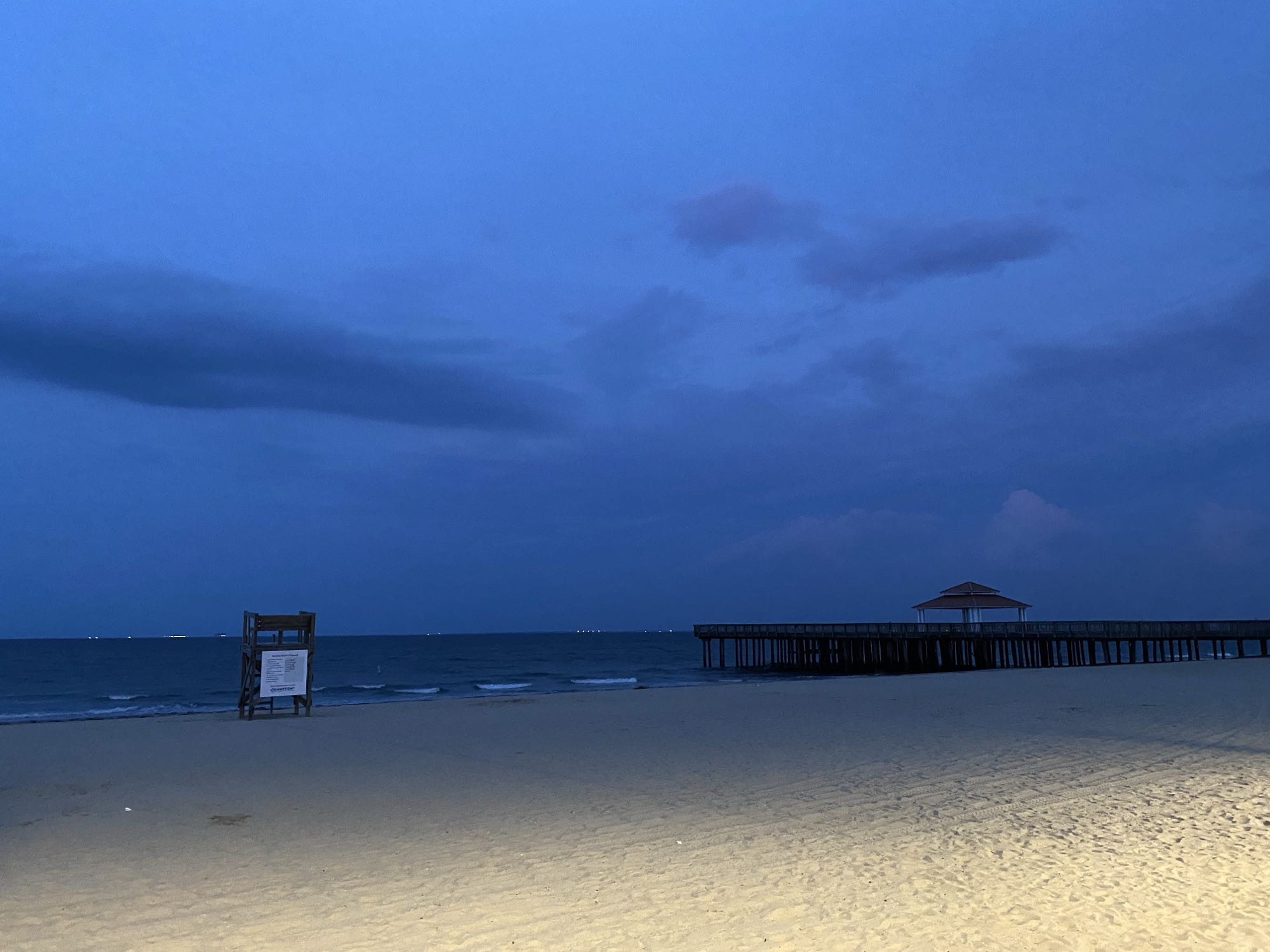
Photo Fuzheado, CC BY-SA 3.0
Fishing pierBeachHabitat matchBuckroe Beach & pier area
Bay-front pier and beach park — the most family-friendly introduction to Chesapeake fishing in Hampton.
6 speciesFamily-friendlyAccessible featuresRestrooms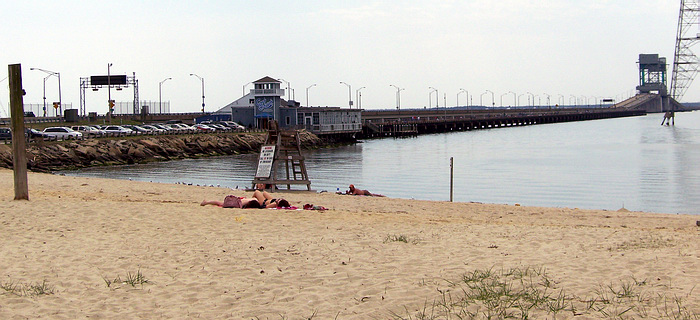
Photo Mytwocents, CC BY-SA 3.0
Fishing pierShorelineHabitat matchJames River pier & shoreline
Long tidal-river pier reaching out over deep water, mixing saltwater panfish with tidal-river species.
5 speciesFamily-friendlyAccessible featuresRestrooms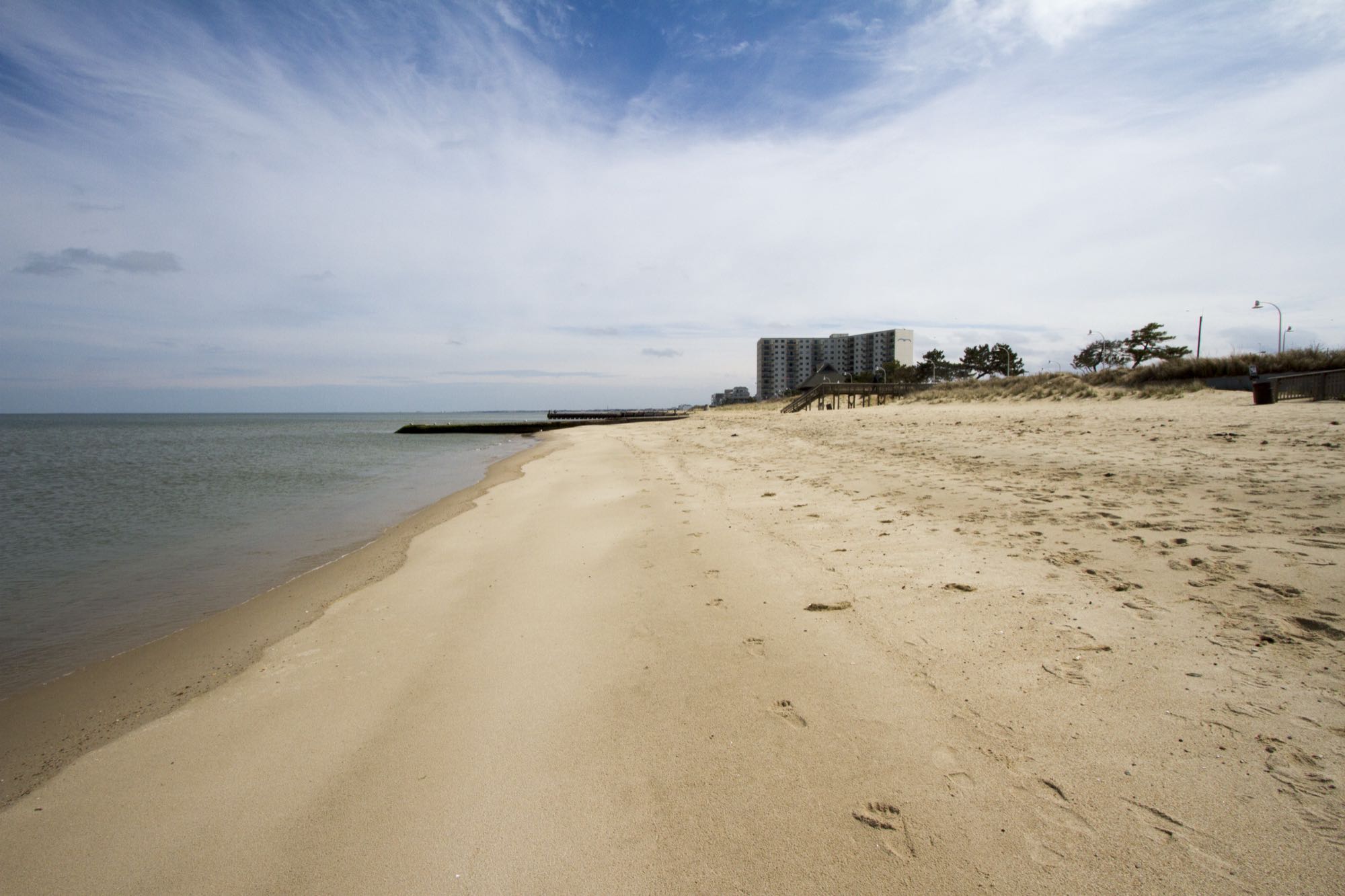
Photo Patrick Bloodgood / U.S. Army Corps of Engineers, Norfolk District, Public domain
ShorelineBeachHabitat matchWilloughby Spit shoreline
Narrow Bay-front spit near major structure — walkable shoreline with surprising depth close to the beach.
4 speciesFamily-friendly- No verified photo yet37.11° N 76.32° WKayak launchShorelineHabitat match
Poquoson marsh kayak launch
Quiet grass-and-creek country for paddlers — shallow water, oyster bars, and very little boat pressure.
4 speciesFamily-friendly


