Croaker
Micropogonias undulatus — also called hardhead, Atlantic croaker
The hardhead — a whiskered, croaking bottom panfish of the Bay piers, bridges, and tidal rivers, and the easiest summer fish in Hampton Roads to catch on a two-hook rig.
Typically present

- 1Brown bars and spots — irregular brown stripes/spots on the back
- 2Wedge-shaped tail — Slightly pointed, wedge-shaped
- 3Pinkish sheen — Silvery-pink body
Photo: U.S. Food and Drug Administration, U.S. Food and Drug Administration — Public domainLong edge is 1200px, below this project's 1600px preference. Accepted because it is the best rights-clear, correctly-identified photo found for this species — see SPECIES_PHOTO_AUDIT.md for the source search record.
- Habitat
- Chesapeake Bay, Tidal rivers
- Methods
- Inshore boat, Surf, Pier
- Typical size
- 8–14 in
- Eating
- good
Identification
Look for
- 3-5 pairs of small barbels (whiskers) on the chin — the main tell versus spot, which has none
- Silvery-pink body with a faint pinkish glow and irregular brown stripes/spots on the back
- Named for the croaking/drumming sound it makes with its swim bladder
- Typical size here
- 8–14 in
- Notable fish
- 'Hardhead' croaker near 2 lb in a good year
Tell them apart
Look first: Barbels and a shoulder spot settle it before the fish is off the hook.
Croaker

| Look at | Croaker | |
|---|---|---|
| Chin | 3–5 pairs of tiny barbels | No barbels |
| Shoulder | No single dark spot | One dark spot just behind the gill cover, above the pectoral fin |
| Tail | Slightly pointed, wedge-shaped | Forked |
| Sides | Irregular brownish bars or spots with a pinkish sheen | Silvery with faint diagonal bars on the upper sides |
| In the hand | Croaks loudly | Usually silent |
Local waters
- Bay and river bottom, especially near structure
- Piers and bridges
Catchable both from shore (surf, pier) and by boat (inshore boat, kayak). 9 spots in this guide document it — see water to try below.
When to fish
Summer through early fall.
Tide stage for this kind of water
Rising water on the shallow flats
From: Reading tides without overthinking themWater temperature
The water, not the calendar, sets the season here — a warm October or a cold snap moves these bands.
Water temperature and the seasonsHow to catch it
- A two-hook bottom rig with small pieces of bloodworm, squid, or shrimp on #4 to #1 hooks, fished straight down from a pier or lobbed a short cast; keep the sinker on the bottom and the line tight.
- Fish evenings and a moving tide in late summer; croaker school on the bottom near pilings and channel edges.
- Re-bait often — old bait catches fewer, and small hooks catch more.
Bait & lures
- Squid or bloodworm on a bottom rig
- Small cut bait
Tackle to start with
Rigs for croaker
All rigs- Sheet 05Bottombeginner
High-low (double-drop) bottom rig
For spot, croaker, whiting (southern kingfish), black drum from pier, bridge, surf.
SpotCroakerWhiting (Southern Kingfish) - Sheet 11Bottombeginner
Sabiki bait-catching rig
For spot, croaker from pier, bridge, bay.
SpotCroaker - Sheet 02Bottombeginner
Standard bottom rig (single hook)
For spot, croaker, whiting (southern kingfish), white perch from pier, bridge, surf, bay.
SpotCroakerWhiting (Southern Kingfish)
Packing lists written for it
On the table
Sweet, small, flaky panfish — pan-dressed and fried whole is the regional standard. Confirm current limits with VMRC.
- Small sharp spines and a loud croak, nothing dangerous — a wet-hand grip is fine; ice at once, since small panfish lose quality faster than large fish.
Recipes written for it
Where to try
Water that suits croaker
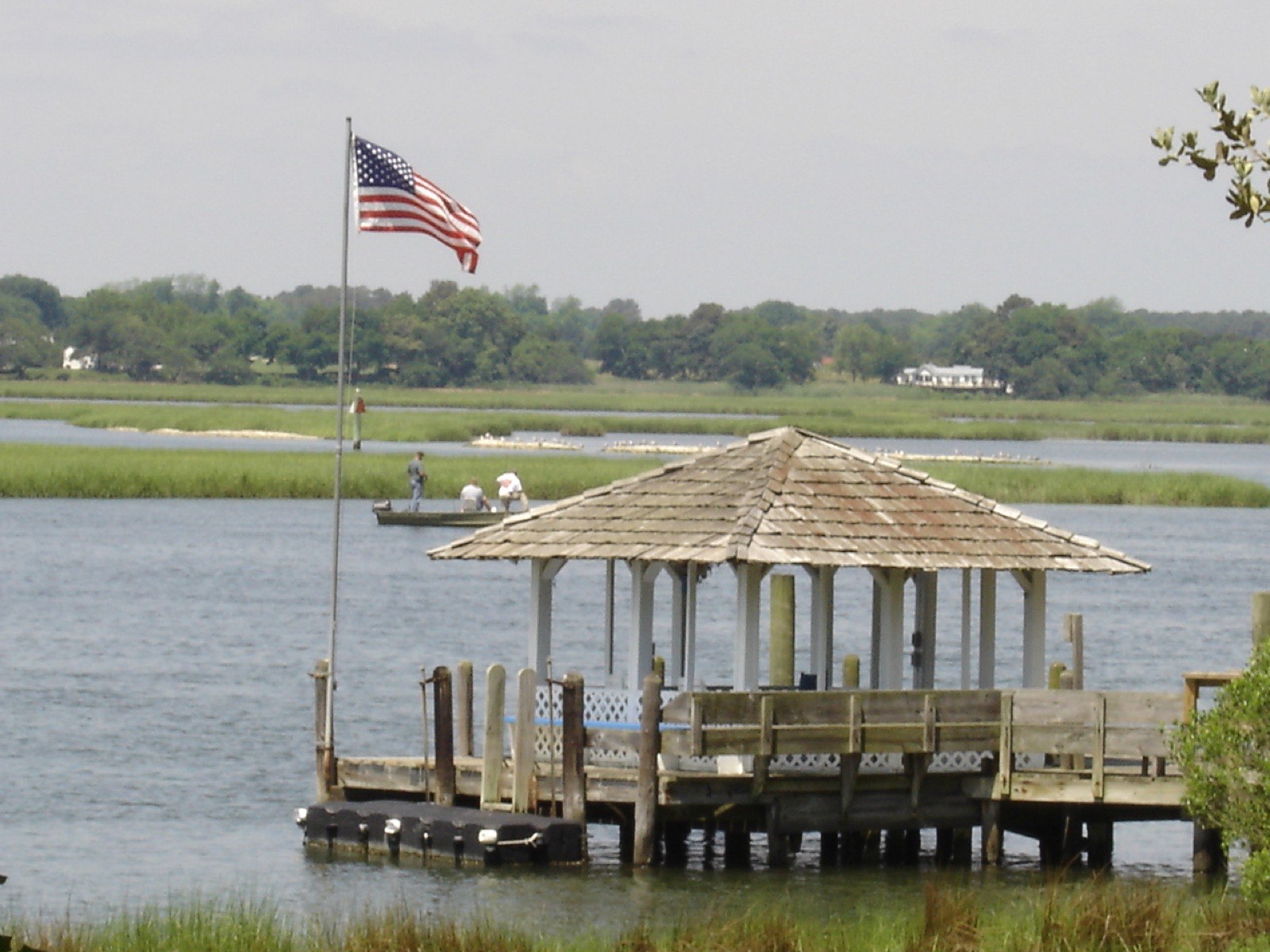
Photo BrandlandUSA, Public domain (representative)
ShorelineKayak launchLynnhaven Inlet — Boat Ramp & Beach Facility
The historic Lynnhaven Fishing Pier closed in 2017 and was sold — today's public access is the city's Lynnhaven Boat Ramp & Beach Facility, plus some bank fishing along the beach and riprap.
3 speciesAccessible features- No verified photo yet36.94° N 76.33° WFishing pierShoreline
Ocean View Fishing Pier
Classic pier fishing — spot and croaker thick in late summer, stripers as it cools.
3 speciesFamily-friendlyAccessible features 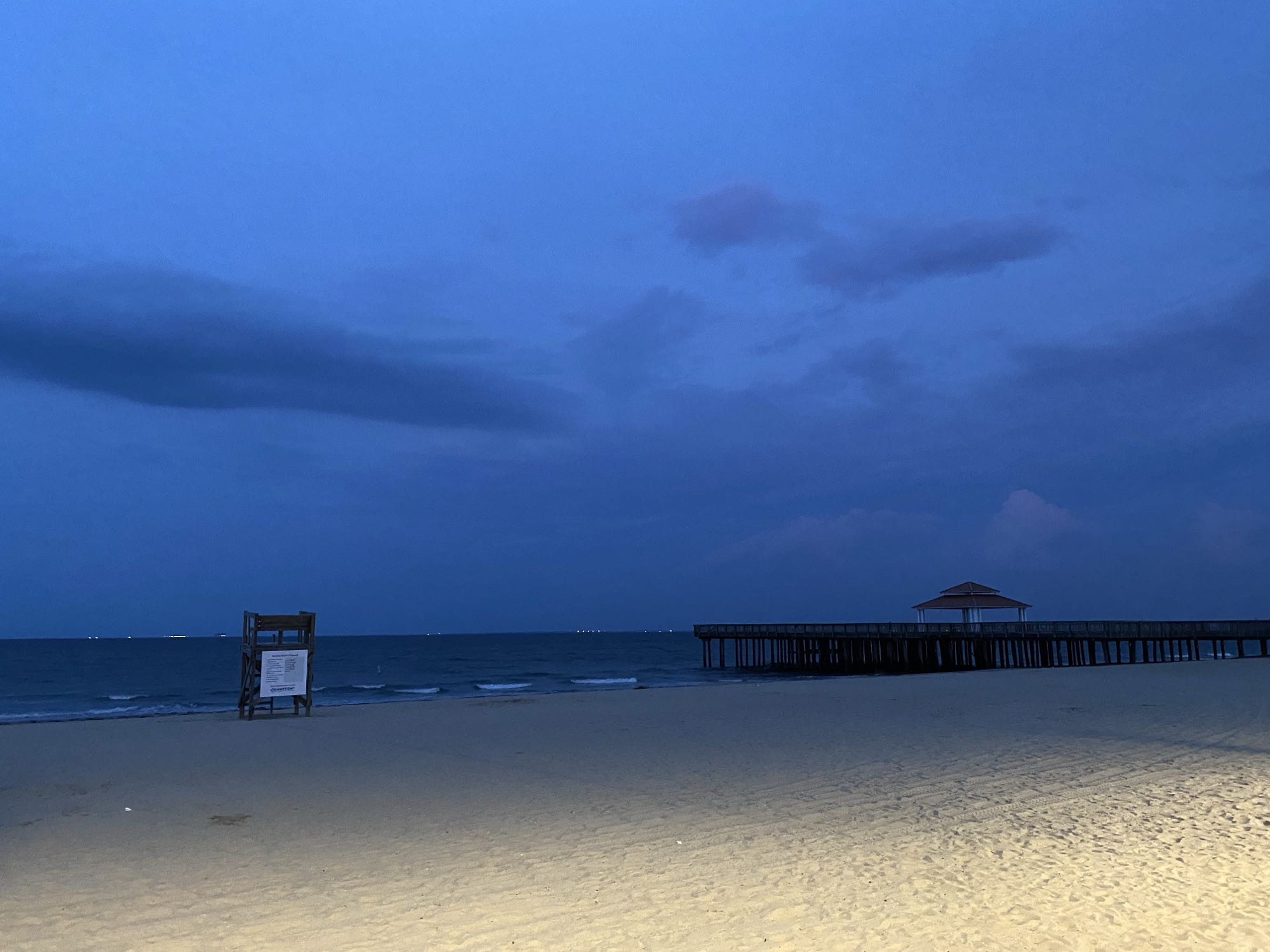
Photo Fuzheado, CC BY-SA 3.0
Fishing pierBeachBuckroe Beach & pier area
Bay-front pier and beach park — the most family-friendly introduction to Chesapeake fishing in Hampton.
6 speciesFamily-friendlyAccessible featuresRestrooms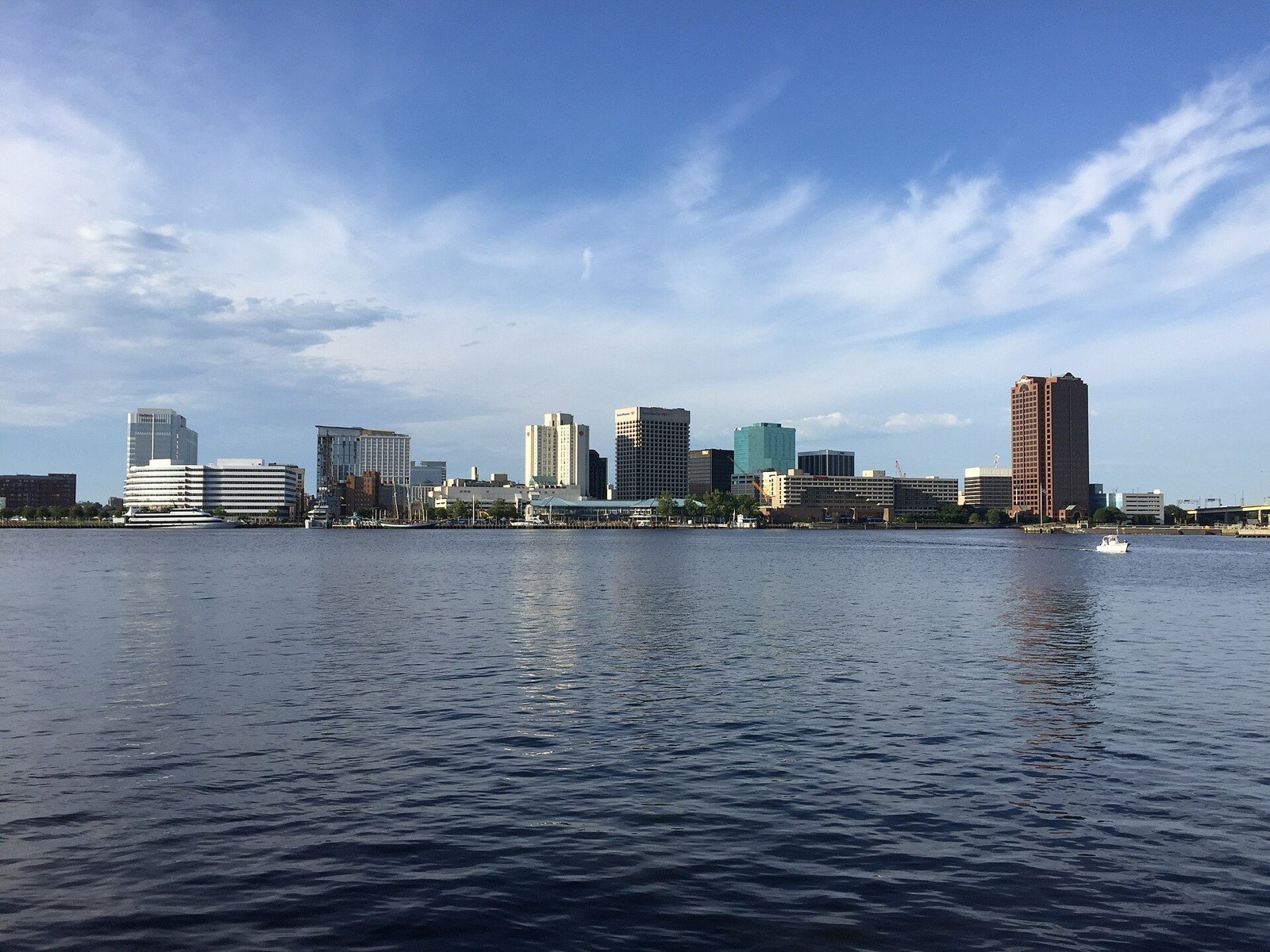
Photo Antony-22, CC BY-SA 4.0 (representative)
ShorelineKayak launchElizabeth River — Downtown Norfolk
Urban stripers around the piers and bridge pilings, best on the spring and fall runs.
2 speciesAccessible features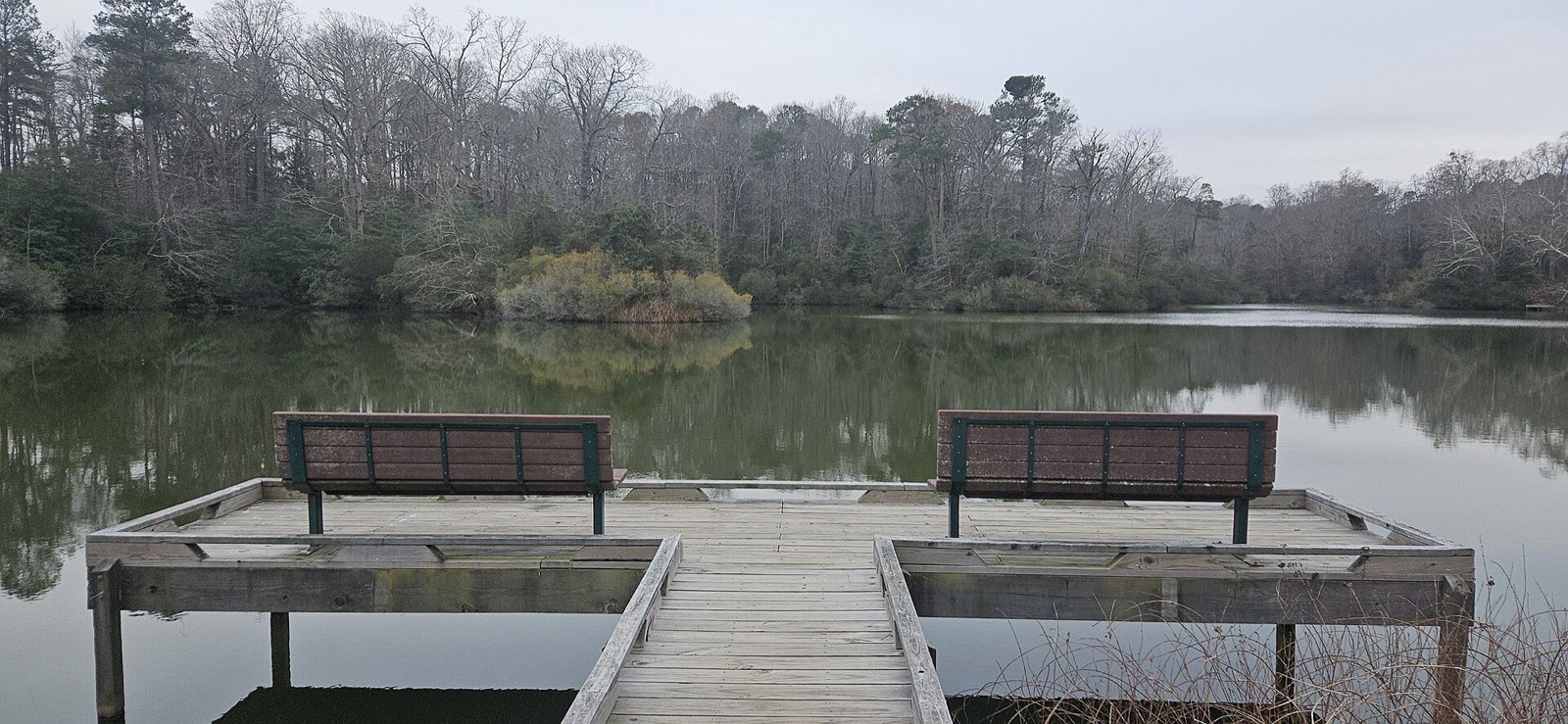
Photo OmegaFallon, CC BY 4.0
ShorelineKayak launchYork River State Park
Marsh-lined shoreline with easy kayak launch and steady summer bottom fishing.
3 speciesFamily-friendlyAccessible features- No verified photo yet36.82° N 76.29° WShorelinePark
Portsmouth city park shoreline
Urban tidal-river access with parking, restrooms, and level ground — a practical after-work or with-kids option.
4 speciesFamily-friendlyAccessible featuresRestrooms


