Cobia
Rachycentron canadum — also called lemonfish, ling
A big, brown, shark-shaped summer visitor to the lower Bay — sight-cast along the Bay mouth and buoys or soaked for on the bottom, and among the best-eating fish here.
Typically present
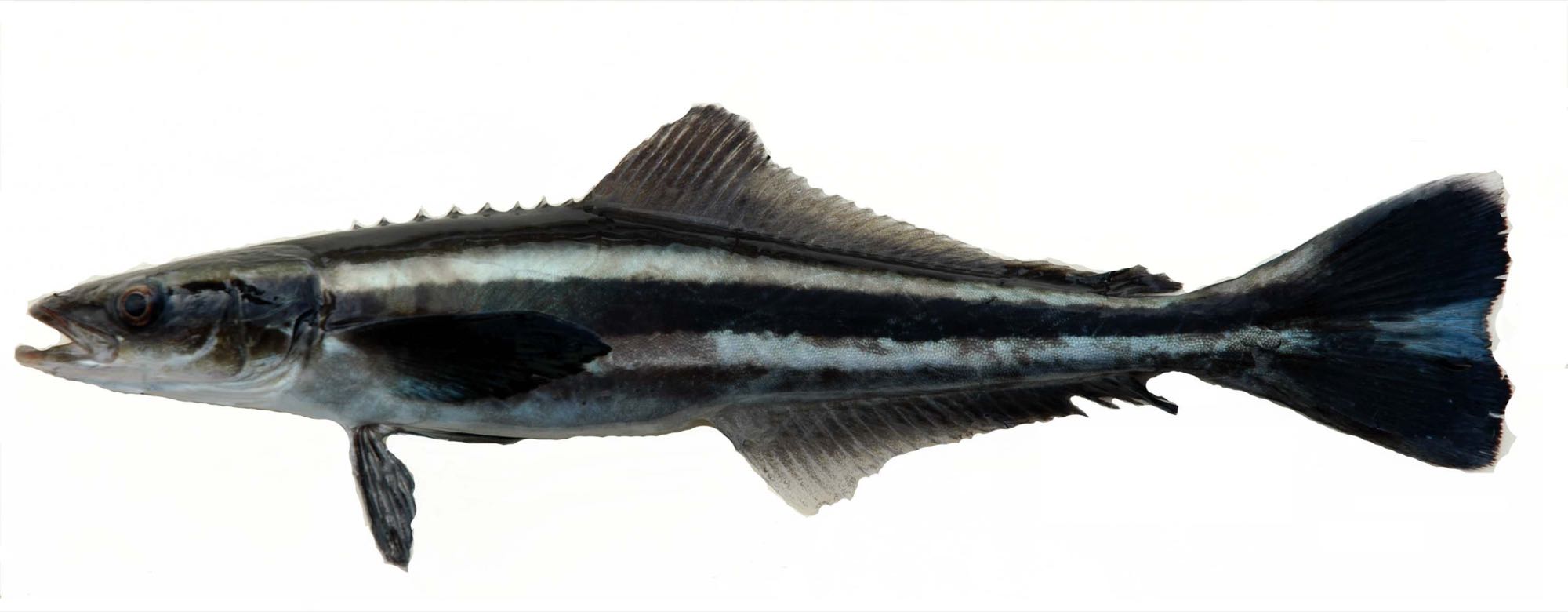
Photo: Robertson / Smithsonian Tropical Research Institute, Smithsonian Institution — Public domain
- Habitat
- Offshore waters
- Methods
- Inshore boat
- Typical size
- 30–50 lb
- Eating
- good
Identification
Look for
- Long, dark-brown body with a broad, flat head and a dark stripe along the side — at a glance often mistaken for a shark or a remora
- A row of short, separate dorsal spines instead of a tall first dorsal fin; the single long dorsal fin sits well back
- Cruises near the surface, often beside rays, buoys, and channel markers, which is what makes sight-casting possible
- Typical size here
- 30–50 lb
- Notable fish
- Fish past 70 lb are landed in the lower Bay most summers
Local waters
- Nearshore and Bay structure, buoys, and wrecks
- Open water — often sight-cast to cruising fish
Primarily a boat fishery here — typically fished by inshore boat. 1 spot in this guide document it — see water to try below.
When to fish
Late spring through summer, peaking as fish migrate up the Bay.
Water temperature
The water, not the calendar, sets the season here — a warm October or a cold snap moves these bands.
Water temperature and the seasonsHow to catch it
- Sight-cast from a tower or the bow on calm, sunny days: fish cruise near the surface along the Bay mouth, buoys, and rays — lead the fish with a bucktail or a live eel and let it swim.
- When fish are not showing, chum and soak live bait (eel, spot, bunker) on the bottom near the Bridge-Tunnel, buoys, and shoals.
- Cobia often follow a hooked fish or a ray to the boat — keep a second rod rigged and a bait ready.
- Common mistakegaffing (illegal in Virginia) or bringing a green cobia into a small boat before it has finished fighting.
Bait & lures
- Live eel or bunker
- Bucktails jigged near structure
- Large soft plastics for sight-casting
Tackle to start with
Rigs for cobia
All rigs- Sheet 21Bottombeginner
Live-bait rig
For striped bass, red drum, cobia, flounder from bay, inlet, bridge, offshore.
Striped BassRed DrumCobia - Sheet 22Bottombeginner
Free-line rig
For striped bass, cobia, red drum from bay, inlet, offshore.
Striped BassCobiaRed Drum - Sheet 28Lureintermediate
Cobia presentation (sight-cast and bottom)
For cobia from bay, offshore.
Cobia
Packing lists written for it
On the table
Firm, meaty, steak-like white flesh with a clean flavour — grill or sear as steaks; one of the best-eating fish in the Bay. Confirm current limits with VMRC.
- It is illegal to gaff cobia in Virginia — land them with a net or by the leader once the fish is done; a green cobia in a small boat is dangerous.
- Bleed and ice large fish immediately; the thick fillets cool slowly.
Recipes written for it
Where to try
