Tautog
Tautoga onitis — also called tog, blackfish
The 'tog' — a stout, blunt-headed wrasse that hugs wrecks, rocks, and pilings in cool water, takes crab held tight to the structure, and fights for the hole.
Typically present
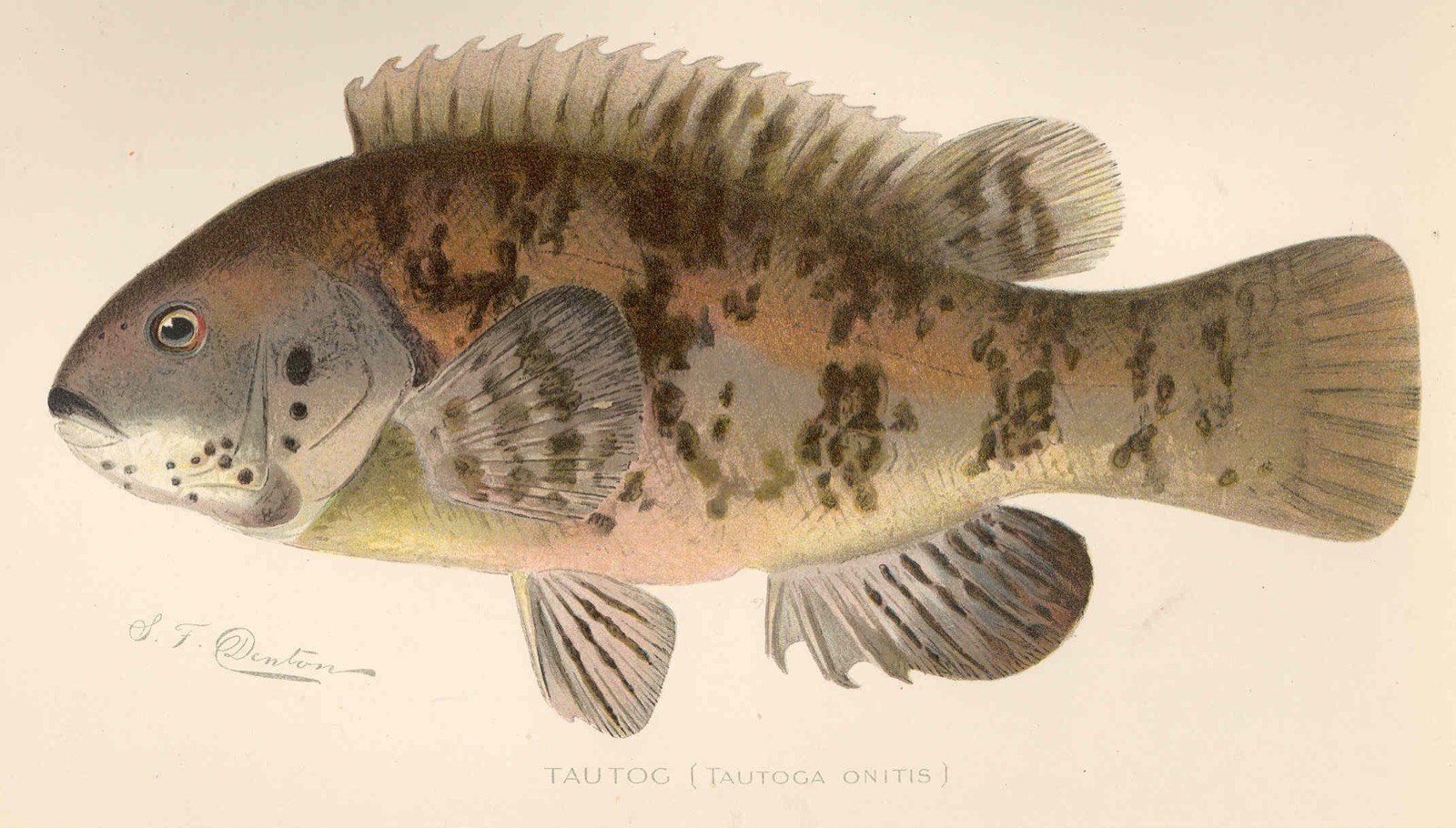
Photo: NY Forest, Fish & Game Commission (1901 plate), New York Forest, Fish and Game Commission — Public domain
- Habitat
- Offshore waters, Bridges & shorelines
- Methods
- Inshore boat, Surf, Pier
- Typical size
- 3–6 lb
- Eating
- good
Identification
Look for
- Stout, blunt-headed body with thick rubbery lips and a single long dorsal fin; mottled brown to nearly black, lighter on the belly
- Strong conical teeth at the front of the jaw and crushing plates behind — a crab-eater
- Small eye set high on the head; a soft, slimy skin with small scales
- Typical size here
- 3–6 lb
- Notable fish
- Double-digit 'tog' on the deeper wrecks and the Bridge-Tunnel
Local waters
- Wrecks, reefs, and rockpiles
- Bridge pilings and jetties
Catchable both from shore (surf, pier) and by boat (inshore boat). 2 spots in this guide document it — see water to try below.
When to fish
Spring and fall, over structure in cooler water.
Water temperature
The water, not the calendar, sets the season here — a warm October or a cold snap moves these bands.
Water temperature and the seasonsHow to catch it
- Drop a crab (green, fiddler, or a peeler half) on a stiff rod straight to the rocks, wreck, or pilings and hold it there — tog do not chase.
- Cool water is the season: spring as the water climbs through the fifties, and fall until it drops back; the deeper wrecks fish later into winter.
- The bite is two taps — set on the second, hard, and lift the fish away from the hole before it wedges in.
- Common mistakelight hooks and slack line around rock; both end with a fish in the hole.
Bait & lures
- Green or fiddler crab fished tight to structure
Tackle to start with
Rigs for tautog
All rigsPacking lists written for it
On the table
Firm, white, and mild; holds together in chowder and stew and takes well to baking. Confirm current limits with VMRC.
- Thick lips and strong jaws, and they thrash — control the head before reaching for the hook.
- Bleed and ice; the firm white fillets hold up to chowder and baking.
Recipes written for it
Where to try
Water that suits tautog
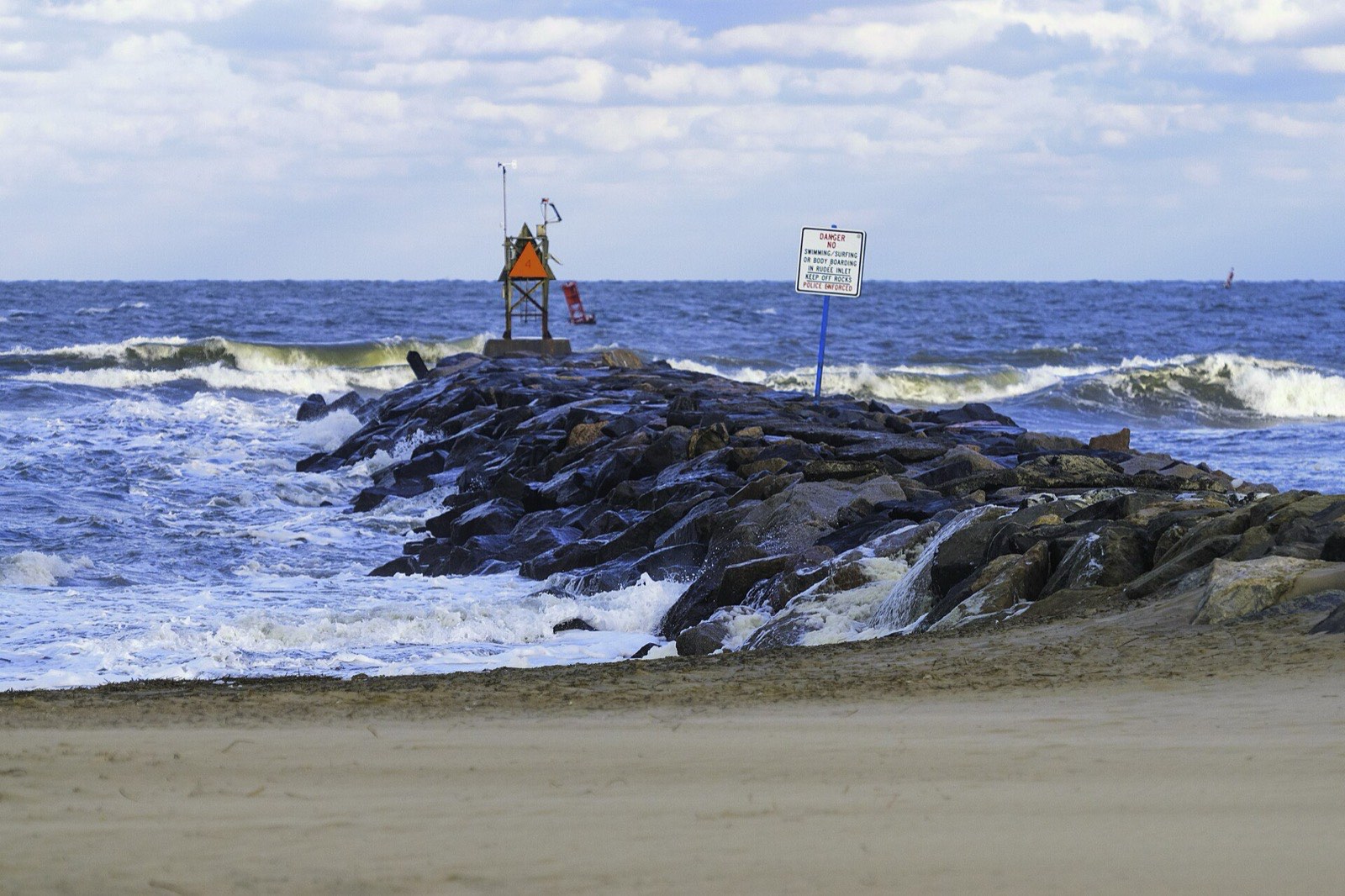
Photo PumpkinSky, CC BY-SA 3.0
ShorelineBeachRudee Inlet jetty & shoreline
Hard structure meeting ocean current — a technical spot that rewards anglers who read moving water.
6 speciesRestrooms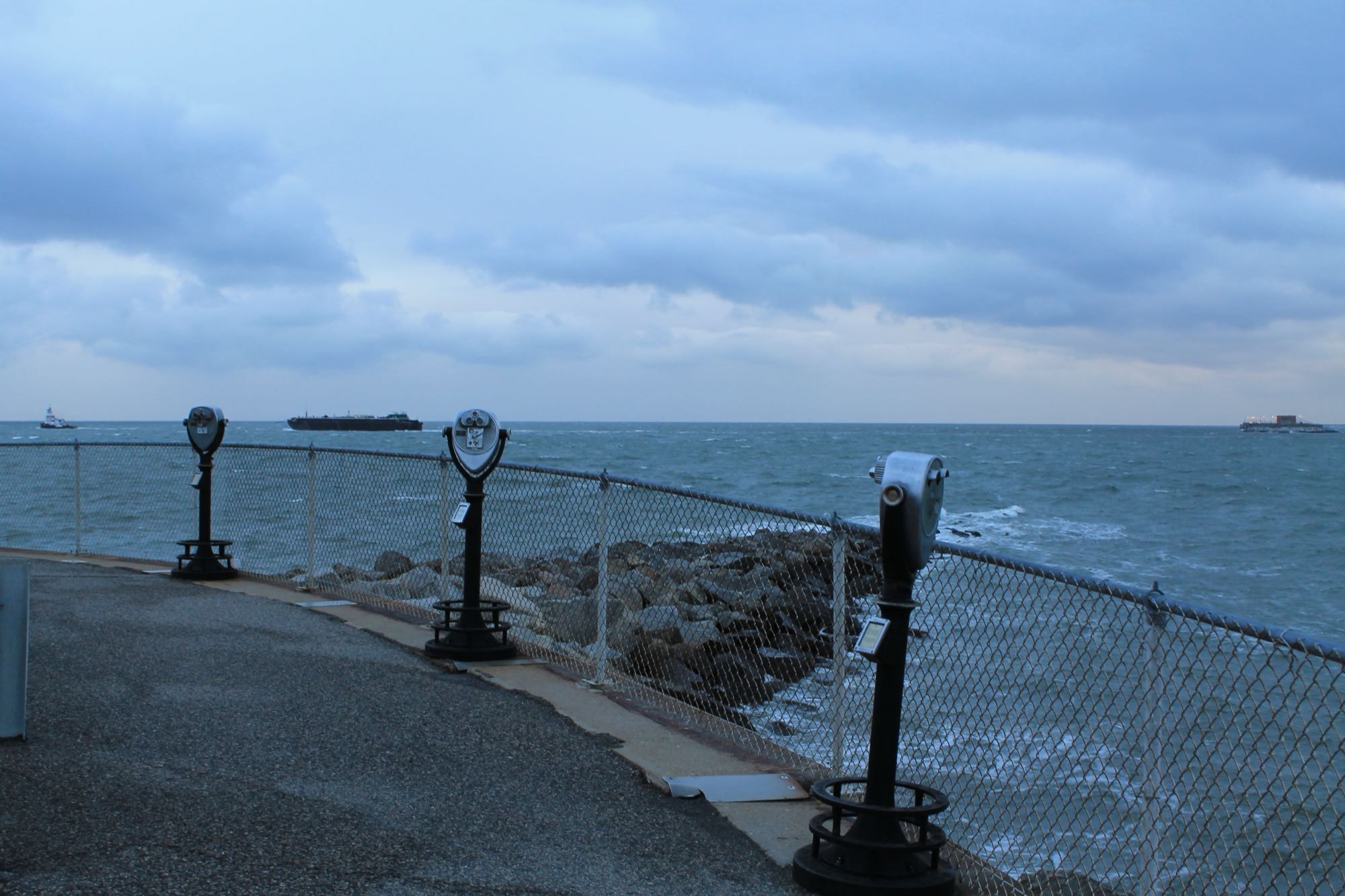
Photo Patrick Nouhailler, CC BY-SA 2.0 (representative)
Boat rampBay-mouth bridge structure (boat)
Miles of pilings, rubble, and channel edges at the Bay mouth — the region's premier structure fishery, boat access only.
6 species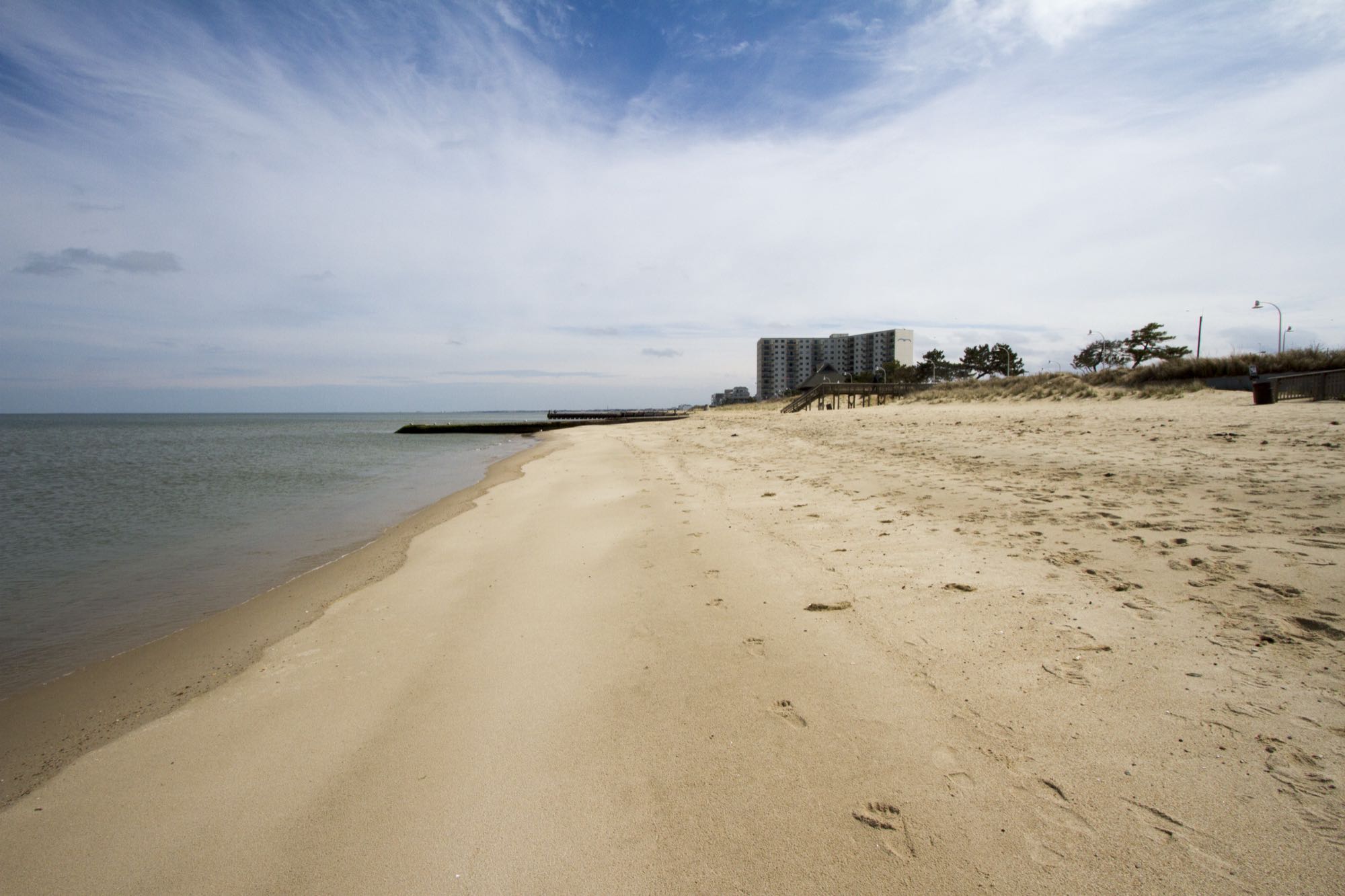
Photo Patrick Bloodgood / U.S. Army Corps of Engineers, Norfolk District, Public domain
ShorelineBeachHabitat matchWilloughby Spit shoreline
Narrow Bay-front spit near major structure — walkable shoreline with surprising depth close to the beach.
4 speciesFamily-friendly- No verified photo yet36.82° N 76.29° WShorelineParkHabitat match
Portsmouth city park shoreline
Urban tidal-river access with parking, restrooms, and level ground — a practical after-work or with-kids option.
4 speciesFamily-friendlyAccessible featuresRestrooms


