White Catfish
Ameiurus catus
Virginia's one native catfish of the tidal rivers — small, pale, and moderately forked, often mistaken for a young blue or channel cat.
Typically present
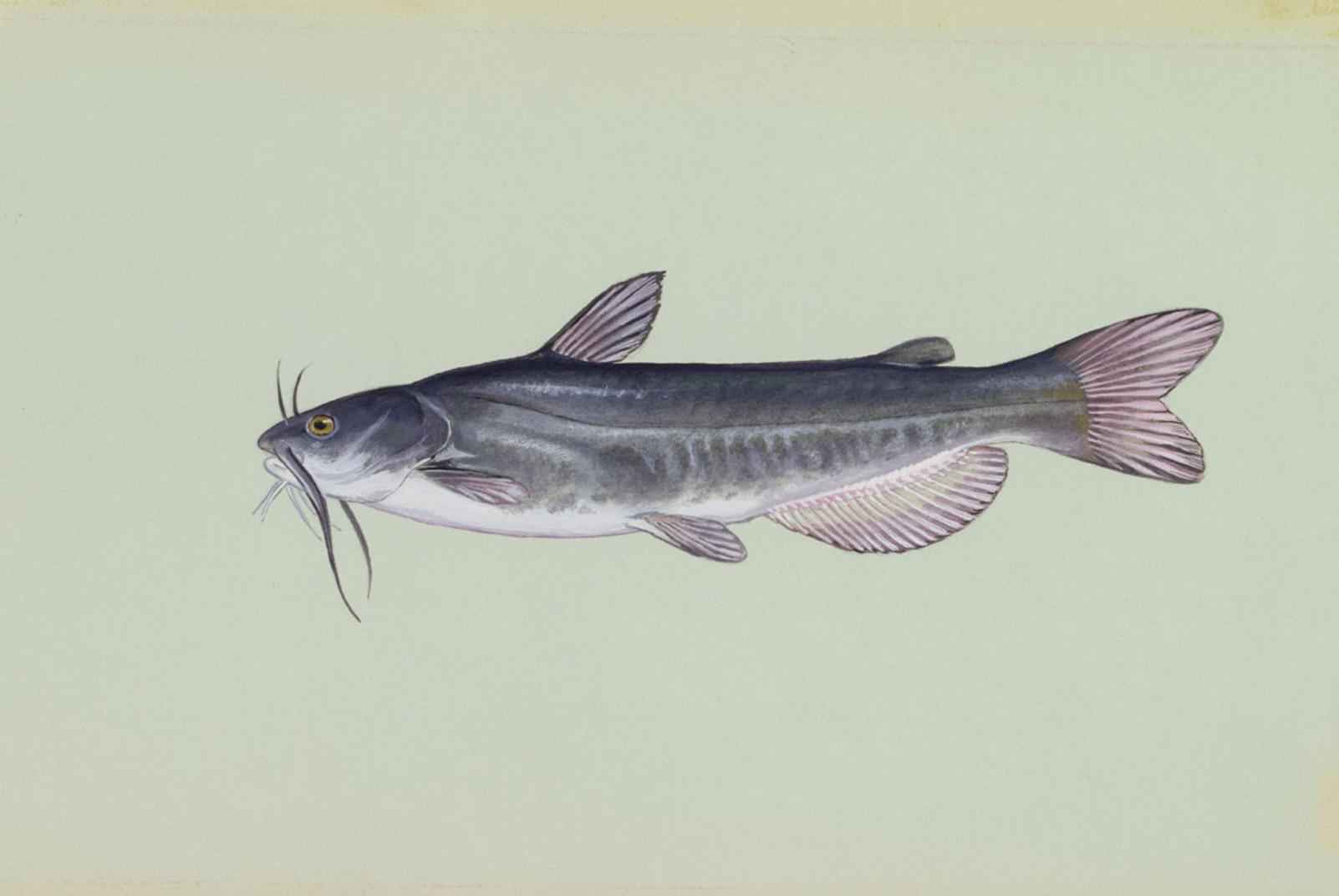
Illustration: Duane Raver / USFWS, U.S. Fish and Wildlife Service — Public domain
- Habitat
- Tidal rivers
- Methods
- Shore, Kayak
- Difficulty
- beginner
- Eating
- good
Identification
Look for
- Native to Virginia — unlike blue catfish, channel catfish, and flathead catfish (all non-native introductions), white catfish is the region's one native large-bodied catfish species
- Moderately forked tail — less deeply forked than channel catfish's
- Relatively large head for its body size; blue-gray above fading to white below, occasionally mottled light gray on the sides
- Stays smaller than the region's non-native catfish — typically under 17 inches in Virginia
Local waters
Open water with muddy bottoms, especially Virginia's tidal rivers and their tributaries
Catchable both from shore (shore) and by boat (kayak).
When to fish
Active year-round in tidal systems; less strictly nocturnal than most other regional catfish.
Tide stage for this kind of water
Moving water at bends and creek mouths
From: Reading tides without overthinking themWater temperature
The water, not the calendar, sets the season here — a warm October or a cold snap moves these bands.
Water temperature and the seasonsHow to catch it
Catchable both from shore (shore) and by boat (kayak). Technique notes for this species have not been written yet; the baits and rigs below are the documented starting points.
Bait & lures
- Cut bait or worms fished on or near bottom
Rigs for white catfish
All rigs- Sheet 02Bottombeginner
Standard bottom rig (single hook)
For spot, croaker, whiting (southern kingfish), white perch from pier, bridge, surf, bay.
SpotCroakerWhiting (Southern Kingfish) - Sheet 09Bottombeginner
Fish-finder rig (Carolina style)
For flounder, red drum, black drum, channel catfish from inlet, river, bay, bridge.
FlounderRed DrumBlack Drum
On the table
Commonly eaten — always confirm current legal size/possession limits with VMRC or DWR before keeping.
- Native to Virginia's Atlantic coastal plain drainages (tidal rivers and tributaries), a genuinely different conservation story from the region's three non-native catfish species. Omnivorous — eats fish, crustaceans, insects, and aquatic plants.
Where to try
Water that suits white catfish
- No verified photo yet36.57° N 76.28° WShorelineKayak launchHabitat match
Northwest River Park
Cypress-lined blackwater — classic pickerel and bass water, quiet paddle in.
2 speciesFamily-friendlyAccessible features 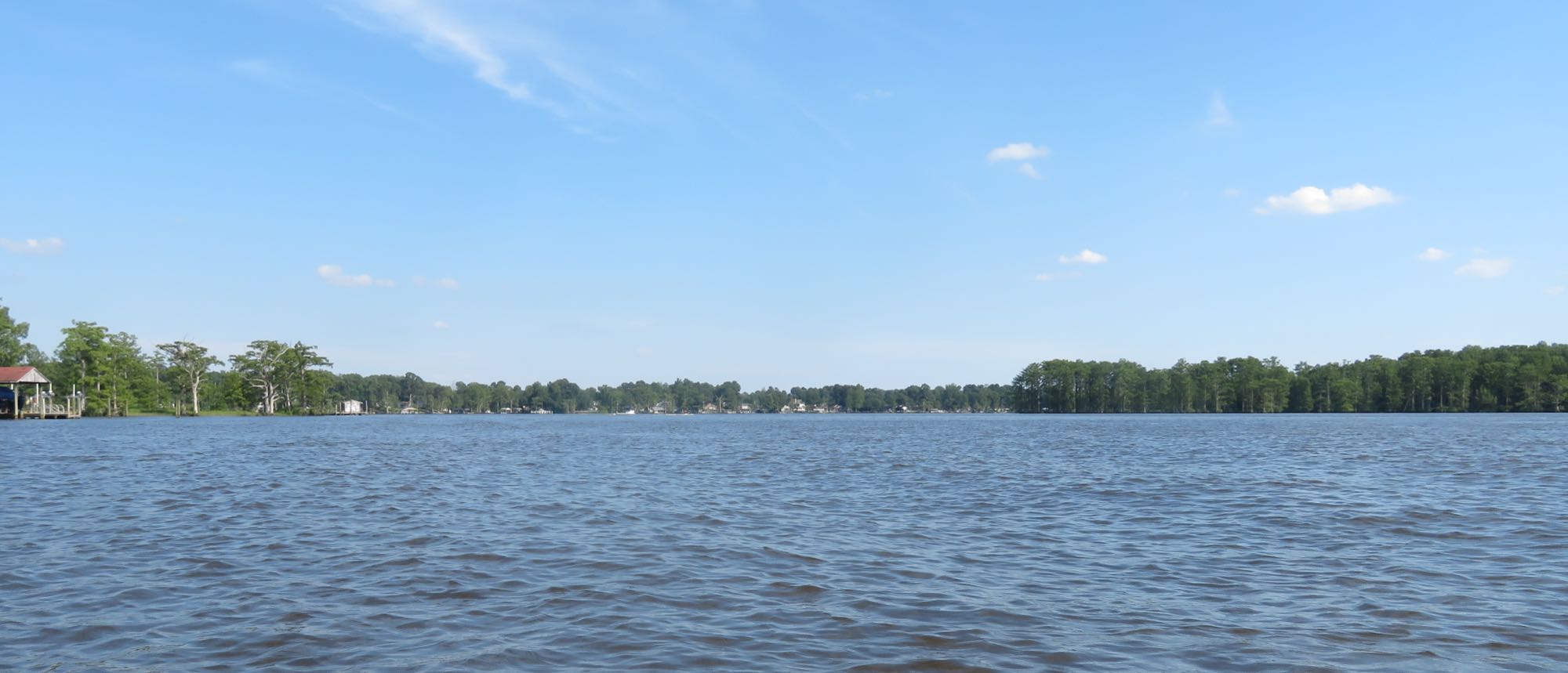
Photo David R. Bains, CC BY-SA 4.0 (representative)
ShorelineBoat rampHabitat matchChickahominy riverfront access
Tidal freshwater river with ramps, wide flats, and cypress shoreline — a strong bridge between fresh and brackish fishing.
3 speciesFamily-friendlyAccessible featuresRestrooms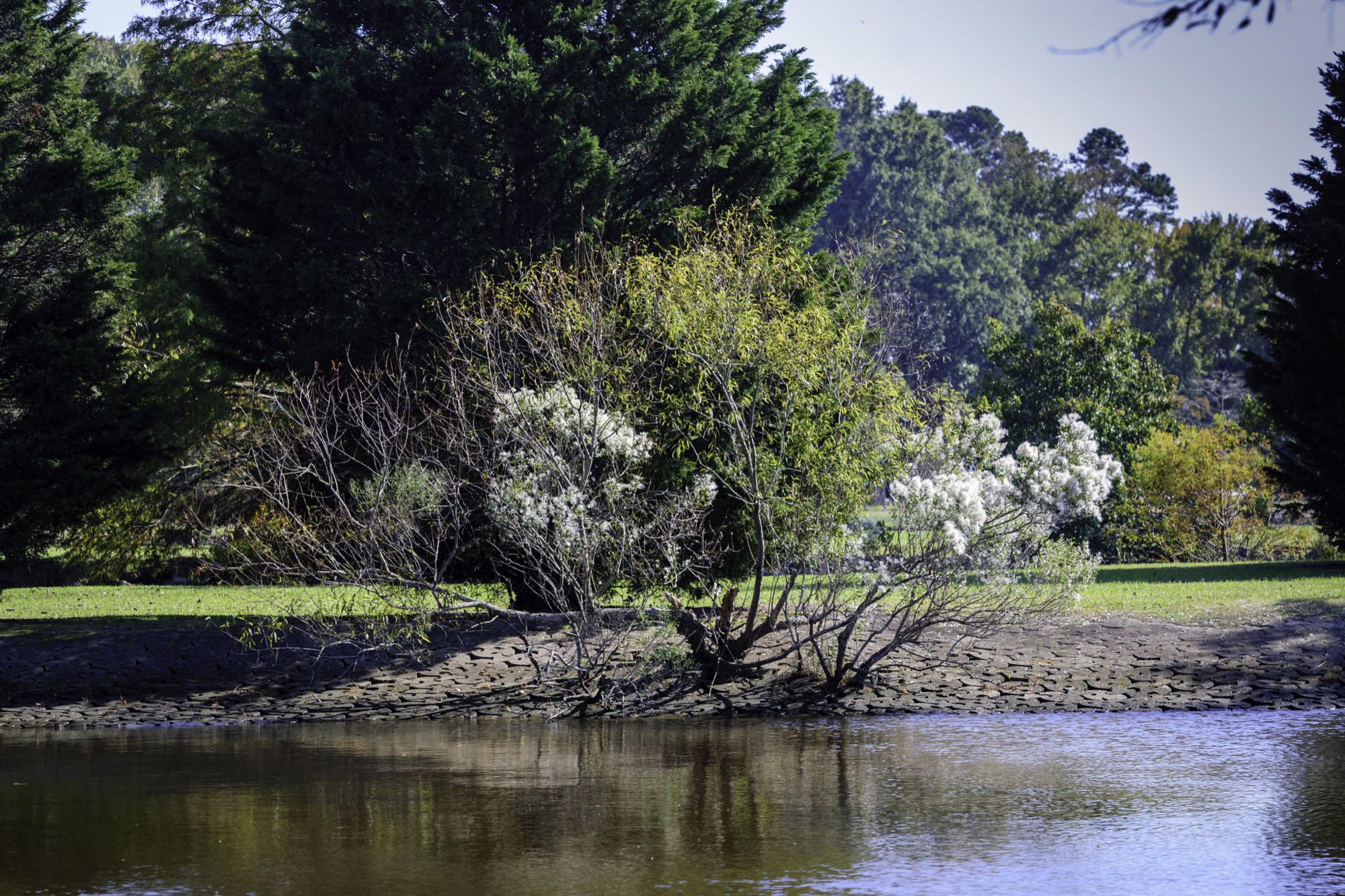
Photo Randy Everette, CC BY-SA 3.0
Kayak launchBoat rampHabitat matchMunden Point Park
Launch before sunrise — the grass line off the point holds bass until boat traffic picks up.
2 speciesAccessible features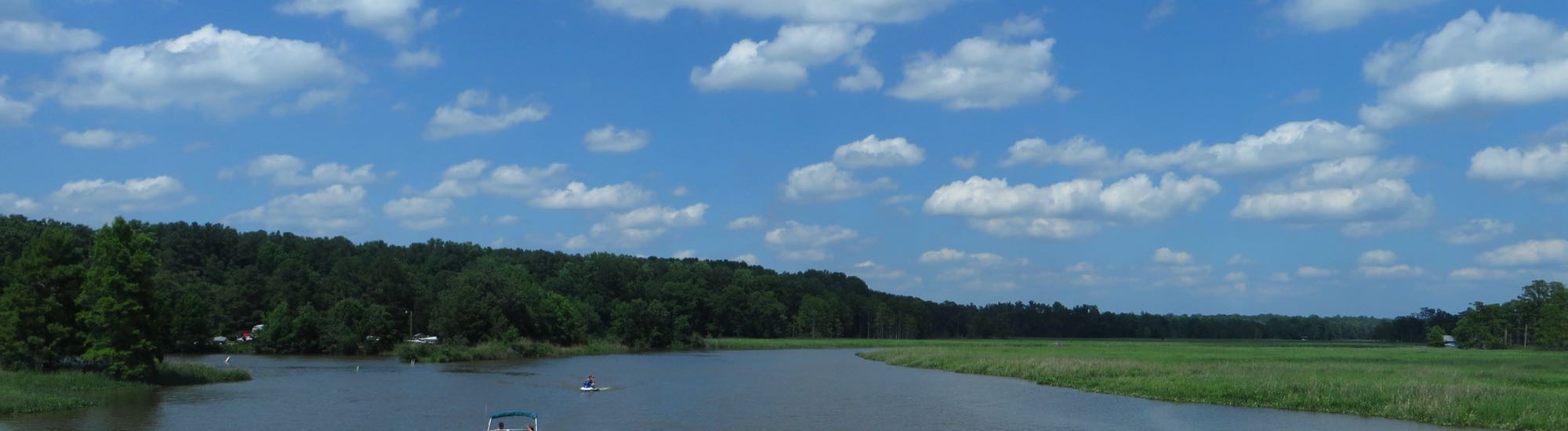
Photo Ken Lund, CC BY-SA 2.0
ShorelineKayak launchHabitat matchPowhatan Creek Park and Blueway
Five observation/fishing piers along a tidal creek near Jamestown Island, plus a non-motorized boat launch — open 24 hours.
3 speciesFamily-friendly


