Bowfin
Amia calva
A native, ancient, air-breathing predator of the blackwater swamps and slow rivers — often mistaken for the invasive snakehead, and released.
Typically present
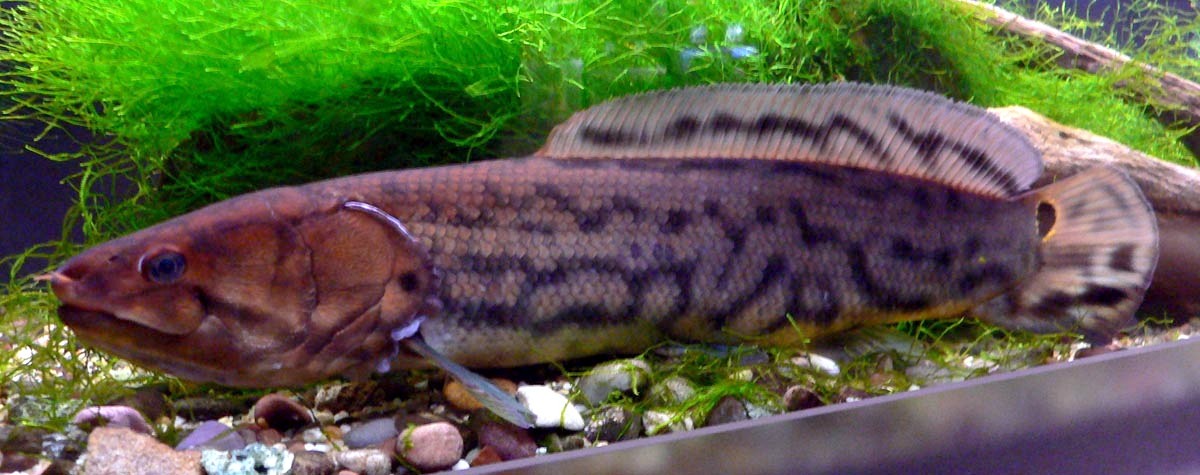
Photo: Stan Shebs — CC BY-SA 3.0Long edge is 1200px, below this project's 1600px preference. Accepted because it is the best rights-clear, correctly-identified photo found for this species — see SPECIES_PHOTO_AUDIT.md for the source search record.
- Habitat
- Tidal rivers
- Methods
- Freshwater, Shore
- Difficulty
- intermediate
- Eating
- Usually released
Identification
Look for
- A single, very long dorsal fin running most of the length of the back, a flattened head, and a rounded tail
- A black eyespot ringed in orange-yellow at the top of the tail base — more prominent in males — genuinely useful for telling a native bowfin apart from the invasive northern snakehead, which has no tail eyespot
Local waters
Sluggish, weedy freshwater backwaters, swamps, and slow rivers — including the Great Dismal Swamp
A shore fishery here — typically fished from bank/shore, no boat required.
When to fish
Peak fishing is during the spring spawn (April-June), when bowfin move from deep water into weedy shallows to guard nests.
Tide stage for this kind of water
Moving water at bends and creek mouths
From: Reading tides without overthinking themWater temperature
The water, not the calendar, sets the season here — a warm October or a cold snap moves these bands.
Water temperature and the seasonsHow to catch it
A shore fishery here — typically fished from bank/shore, no boat required. Technique notes for this species have not been written yet; the baits and rigs below are the documented starting points.
Bait & lures
- Cut fish, live minnows, large nightcrawlers, or crayfish — scent is the biggest draw
- Topwater frogs, poppers, spinnerbaits, and chatterbaits for aggressive reaction strikes
Handling and release
Not a food-use species in this guide (catch-and-release or restricted) — release.
- A real native, ancient-lineage fish (unrelated to the invasive northern snakehead it's frequently mistaken for) with a lung-like gas bladder that lets it breathe air and survive low-oxygen water. Powerful jaws and sharp teeth — handle with care.
Where to try
Water that suits bowfin
- No verified photo yet36.57° N 76.28° WShorelineKayak launchHabitat match
Northwest River Park
Cypress-lined blackwater — classic pickerel and bass water, quiet paddle in.
2 speciesFamily-friendlyAccessible features 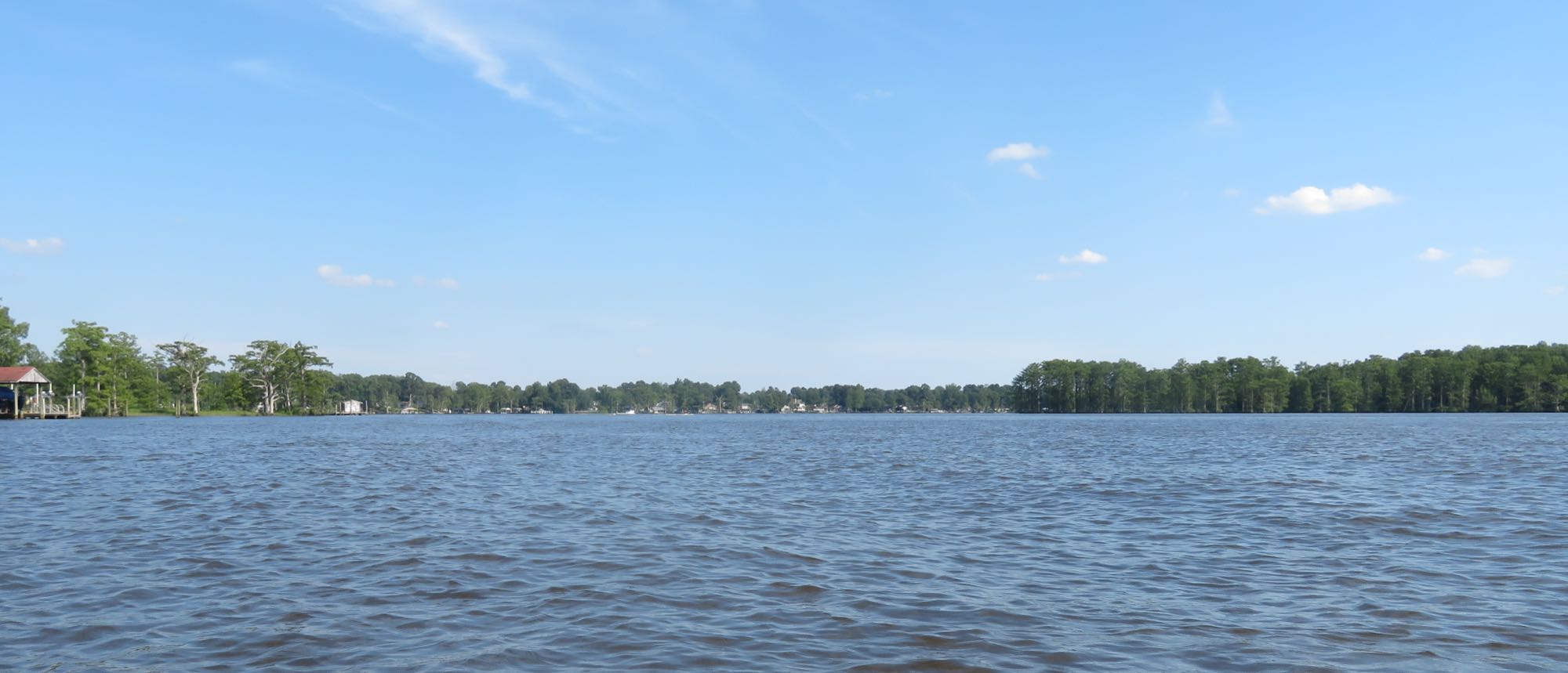
Photo David R. Bains, CC BY-SA 4.0 (representative)
ShorelineBoat rampHabitat matchChickahominy riverfront access
Tidal freshwater river with ramps, wide flats, and cypress shoreline — a strong bridge between fresh and brackish fishing.
3 speciesFamily-friendlyAccessible featuresRestrooms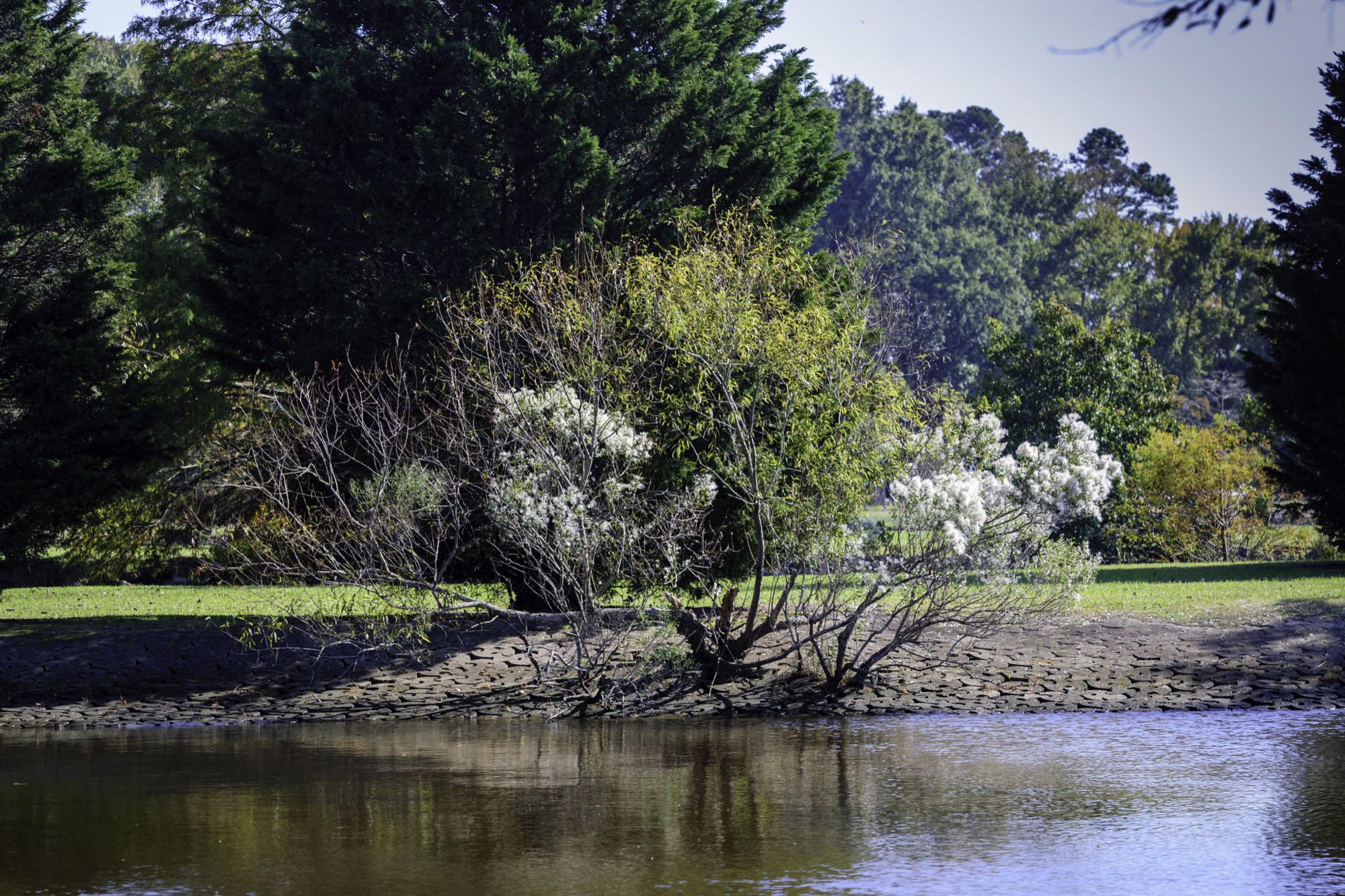
Photo Randy Everette, CC BY-SA 3.0
Kayak launchBoat rampHabitat matchMunden Point Park
Launch before sunrise — the grass line off the point holds bass until boat traffic picks up.
2 speciesAccessible features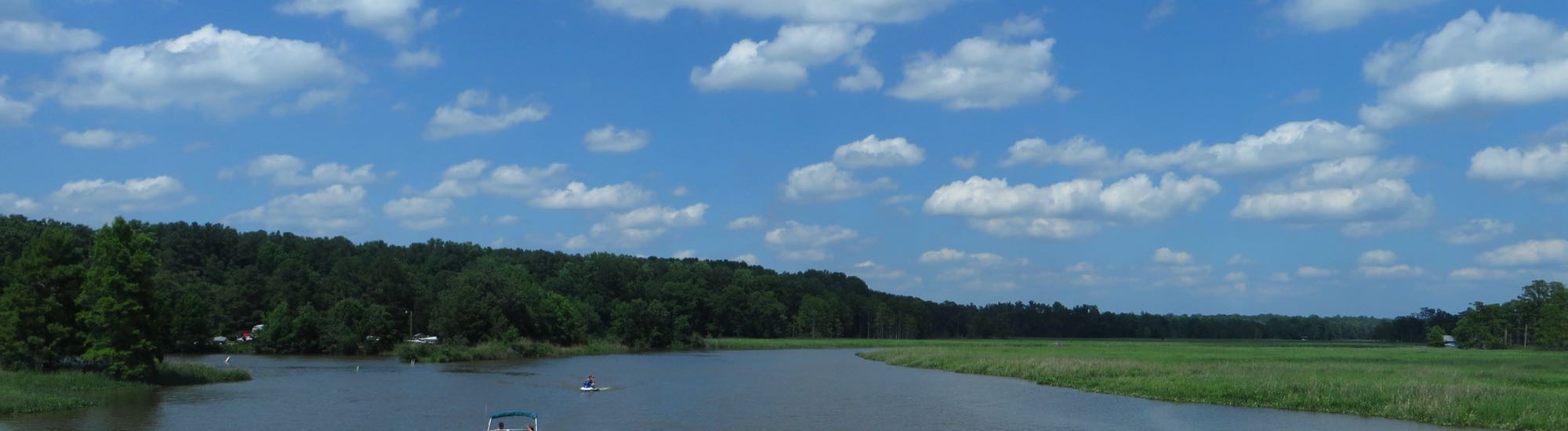
Photo Ken Lund, CC BY-SA 2.0
ShorelineKayak launchHabitat matchPowhatan Creek Park and Blueway
Five observation/fishing piers along a tidal creek near Jamestown Island, plus a non-motorized boat launch — open 24 hours.
3 speciesFamily-friendly


