Bonnethead Shark
Sphyrna tiburo
The shovel-headed small hammerhead of the summer grass flats and inlets, at the northern edge of its range here.
Typically present
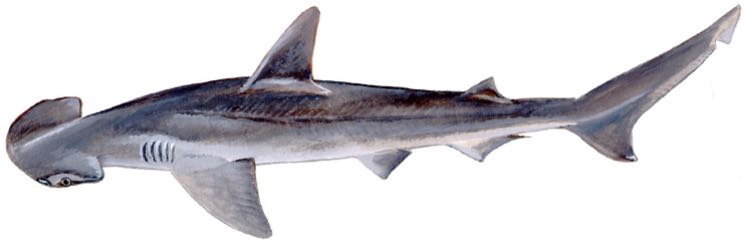
Illustration: Duane Raver / USFWS, U.S. Fish and Wildlife Service — Public domainLong edge is 756px, below this project's 1600px preference. Accepted because it is the best rights-clear, correctly-identified photo found for this species — see SPECIES_PHOTO_AUDIT.md for the source search record.
- Habitat
- Inshore waters, Inlets
- Methods
- Inshore boat
- Difficulty
- intermediate
- Eating
- Usually released
Identification
Look for
- Distinctive smooth, shovel- or spade-shaped head (not the double-notched 'hammer' shape of true hammerhead sharks) — the smallest and most rounded head of any hammerhead-family shark in the region
- Small size at maturity compared to true hammerheads
Local waters
- Shallow grass flats
- Inlets and shallow bay structure
Primarily a boat fishery here — typically fished by inshore boat.
When to fish
Summer, in shallow grass flats and inlets at the northern edge of its range in Virginia waters.
Tide stage for this kind of water
Rising water on the flats
From: Reading tides without overthinking themWater temperature
The water, not the calendar, sets the season here — a warm October or a cold snap moves these bands.
Water temperature and the seasonsHow to catch it
Primarily a boat fishery here — typically fished by inshore boat. Technique notes for this species have not been written yet; the baits and rigs below are the documented starting points.
Bait & lures
- Live or cut crab and small fish on light tackle
Rigs for bonnethead shark
All rigsHandling and release
Not a food-use species in this guide (catch-and-release or restricted) — release.
- Federally open with a 1-per-person/trip bag limit as of the last confirmed check — but see the note below on the permit requirement that applies before that limit is even relevant. Important regulatory distinction: bonnethead is managed as a 'small coastal shark,' a completely separate category from 'hammerhead sharks' (great, scalloped, and smooth hammerhead), which carry a 78-inch fork-length minimum size and a 1-per-vessel/trip limit as of the last confirmed check. If you're not certain whether what you caught is a bonnethead or a true hammerhead, treat it as the more restricted species and release it. Recreational anglers must hold a federal HMS Angling or Charterboat/Headboat permit *with a shark endorsement* to legally retain any shark species at all — most anglers fishing without one must release every shark regardless of that species' individual status, and Virginia (VMRC) rules may add further restrictions on top of federal ones. Anyone targeting sharks (from shore or a vessel) is also federally required to carry a device capable of quickly cutting the leader or hook. If removing the hook would delay release, cut the leader or hook as close to the hook as possible instead — the shark does not need to be lifted, dragged onto dry sand/a pier deck, or restrained to be released safely, and a shark should stay in the water throughout release whenever that's achievable.
Where to try
