Bluegill
Lepomis macrochirus — also called bream, brim
The bream of every pond and lake edge — a spring-bedding, worm-and-cricket panfish that makes an easy first fish for a child.
Typically present
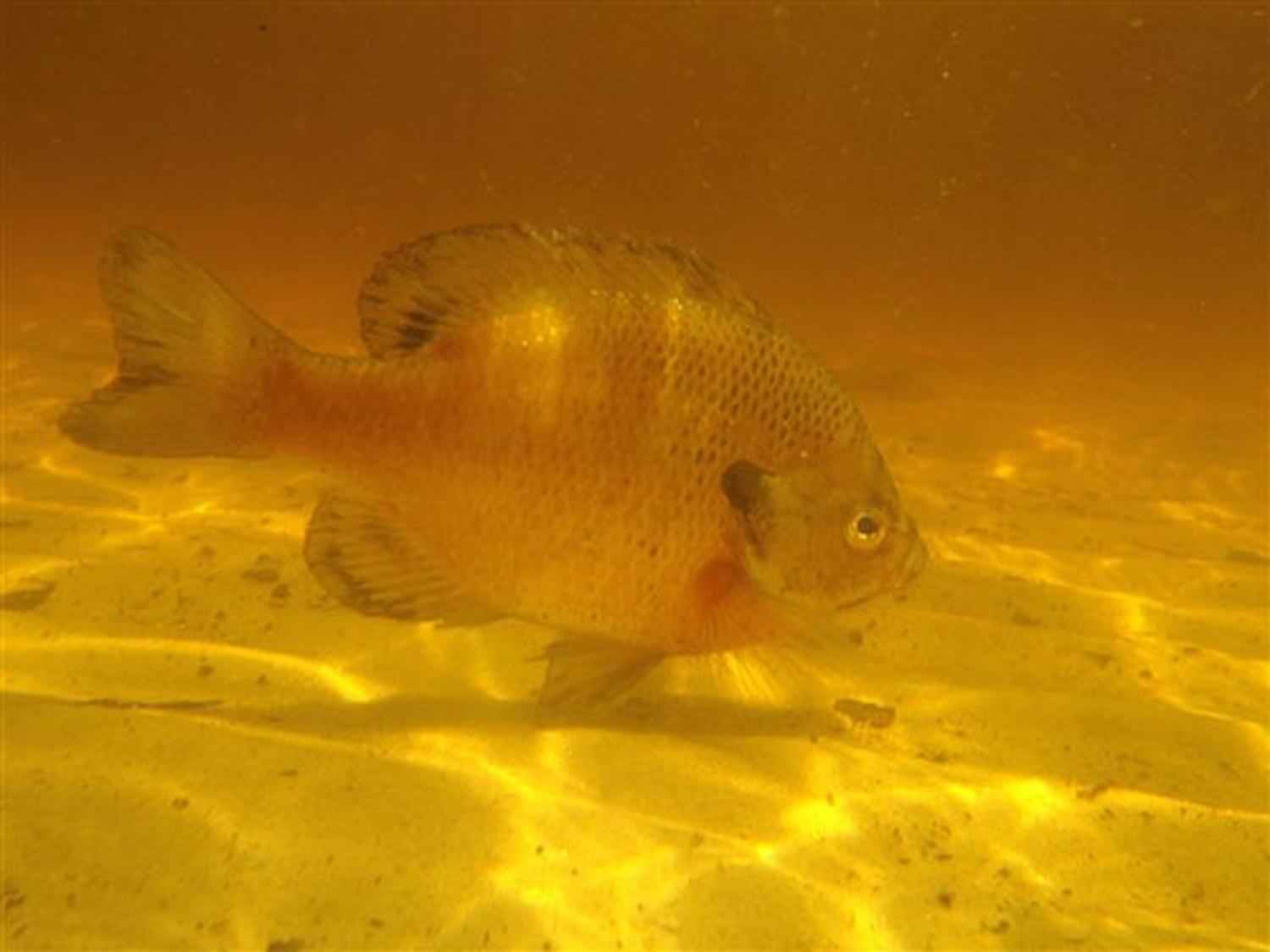
Photo: Tom Tetzner / U.S. Fish and Wildlife Service, U.S. Fish and Wildlife Service — Public domainLong edge is 1500px, below this project's 1600px preference. Accepted because it is the best rights-clear, correctly-identified photo found for this species — see SPECIES_PHOTO_AUDIT.md for the source search record.
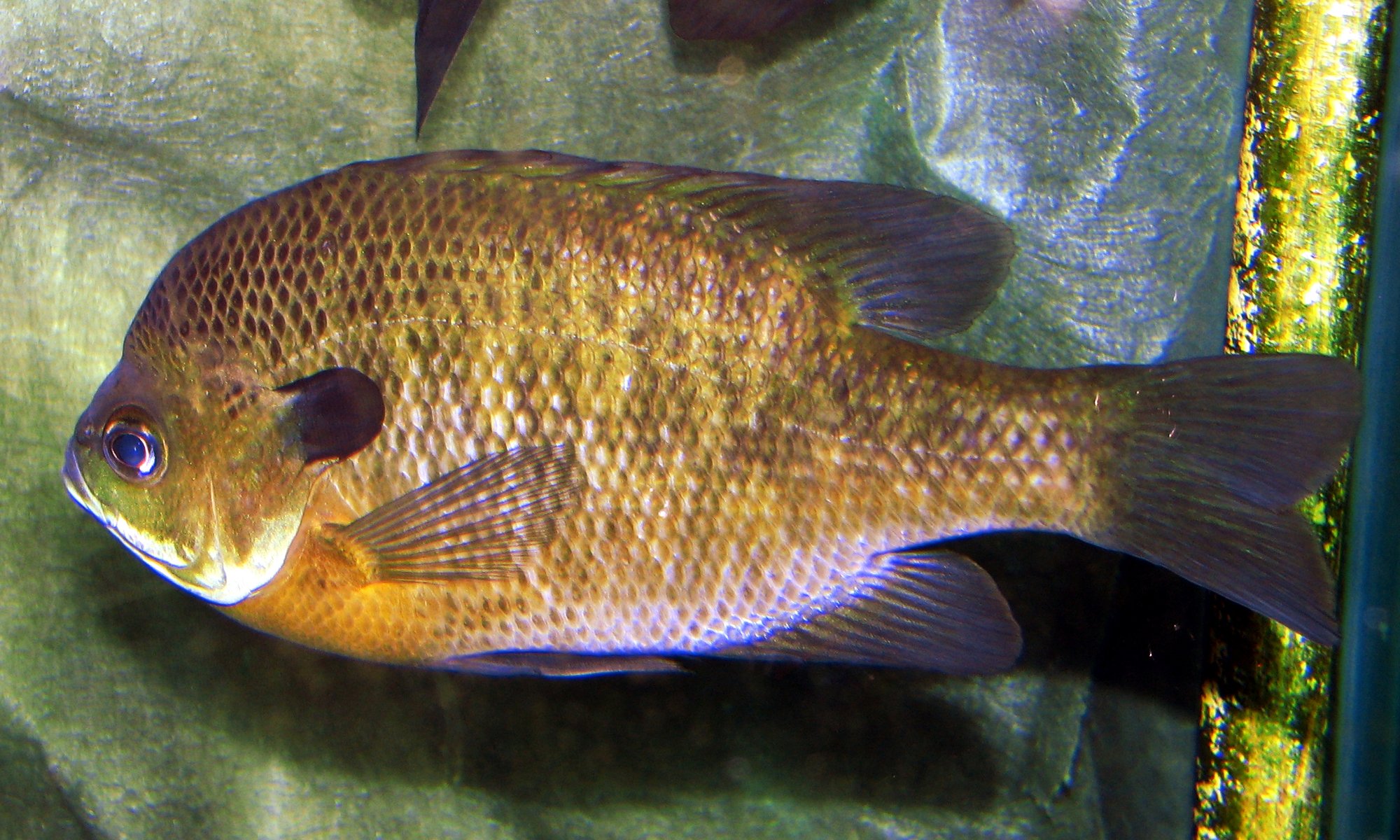
Fig. 8b.Solid black ear flap
Photo: Ltshears — Public domain (released by the photographer)
- Habitat
- Tidal rivers, Freshwater lakes
- Methods
- Freshwater, Shore
- Difficulty
- beginner
- Eating
- good
Identification
Look for
- Solid black or dark-blue ear flap with no color break and no orange — the key tell versus pumpkinseed (red-tipped ear flap, blue/orange cheek streaks) and redear sunfish (larger crescent-shaped red border on the ear flap, no cheek streaks)
- Dark olive back, yellow-orange belly, bluish jaw and gill plate
Local waters
Freshwater ponds, lakes, and slow rivers, especially around docks and vegetation
A shore fishery here — typically fished from bank/shore, no boat required.
When to fish
Spring spawn (bedding) is the most popular and easiest time to catch them; active through summer.
Tide stage for this kind of water
Moving water at bends and creek mouths
From: Reading tides without overthinking themWater temperature
The water, not the calendar, sets the season here — a warm October or a cold snap moves these bands.
Water temperature and the seasonsHow to catch it
A shore fishery here — typically fished from bank/shore, no boat required. Technique notes for this species have not been written yet; the baits and rigs below are the documented starting points.
Bait & lures
- Small pieces of worm or cricket under a float
- Tiny jigs or poppers
Rigs for bluegill
All rigsPacking lists written for it
On the table
Sweet, firm panfish — scaled and fried whole, or filleted from the bigger ones. Confirm current limits with DWR.
Recipes written for it
Where to try
Water that suits bluegill
- No verified photo yet36.75° N 76.63° WShorelineBoat rampHabitat match
Suffolk reservoir shoreline
Cypress-lined municipal reservoir water — quiet freshwater fishing with permit requirements and posted rules.
2 speciesFamily-friendly - No verified photo yet36.57° N 76.28° WShorelineKayak launchHabitat match
Northwest River Park
Cypress-lined blackwater — classic pickerel and bass water, quiet paddle in.
2 speciesFamily-friendlyAccessible features 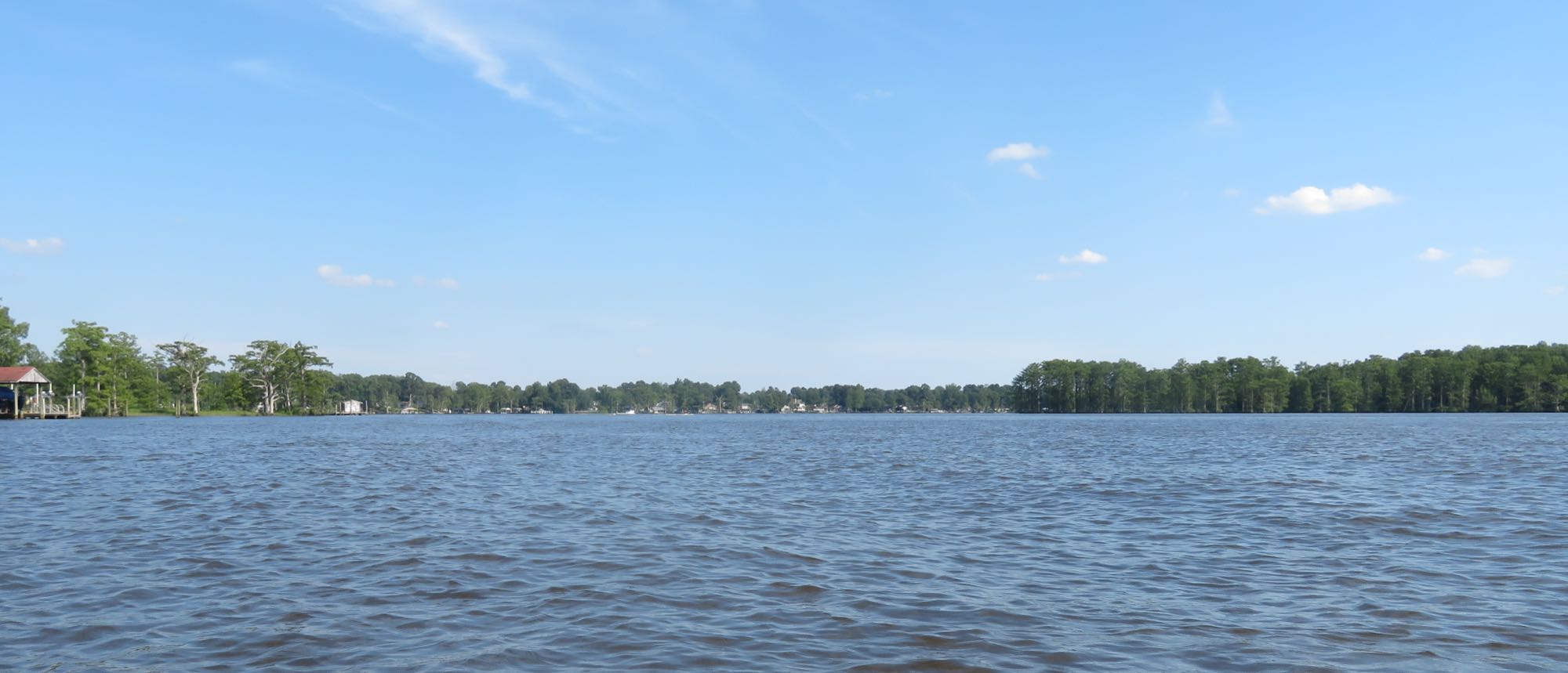
Photo David R. Bains, CC BY-SA 4.0 (representative)
ShorelineBoat rampHabitat matchChickahominy riverfront access
Tidal freshwater river with ramps, wide flats, and cypress shoreline — a strong bridge between fresh and brackish fishing.
3 speciesFamily-friendlyAccessible featuresRestrooms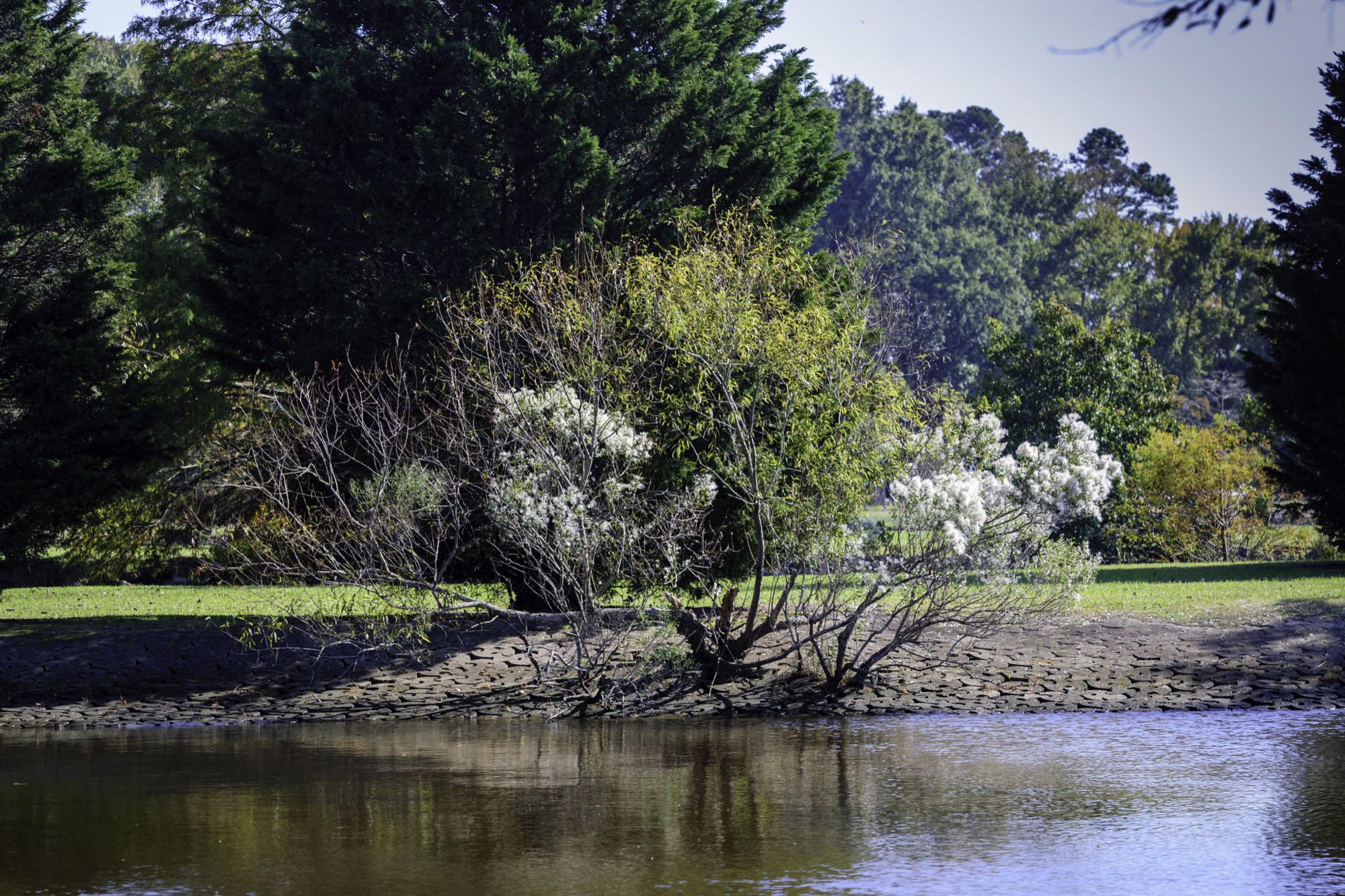
Photo Randy Everette, CC BY-SA 3.0
Kayak launchBoat rampHabitat matchMunden Point Park
Launch before sunrise — the grass line off the point holds bass until boat traffic picks up.
2 speciesAccessible features- No verified photo yet36.88° N 76.13° WShorelineKayak launchHabitat match
Lake Smith & Lake Lawson
Reliable year-round freshwater — crappie stack up along the standing timber in spring.
2 speciesFamily-friendlyAccessible features - No verified photo yet37.18° N 76.55° WShorelineKayak launchHabitat match
Lee Hall Reservoir
A 230-acre city-owned reservoir inside Newport News Park — electric-motor-only water with a well-documented, diverse fish population.
4 speciesFamily-friendlyAccessible features

