Blacktip Shark
Carcharhinus limbatus
A fast, leaping nearshore shark of the summer surf and river mouths, told from the near-identical spinner shark by its plain white anal fin.
Typically present

- 1Black fin tips — Black-tipped first and second dorsal fins
- 2Plain anal fin — Plain white (not black-tipped) anal fin
- 3Pale Z-shaped band — Z-shaped band along the sides
Illustration: Duane Raver / USFWS, U.S. Fish and Wildlife Service — Public domainLong edge is 748px, below this project's 1600px preference. Accepted because it is the best rights-clear, correctly-identified photo found for this species — see SPECIES_PHOTO_AUDIT.md for the source search record.
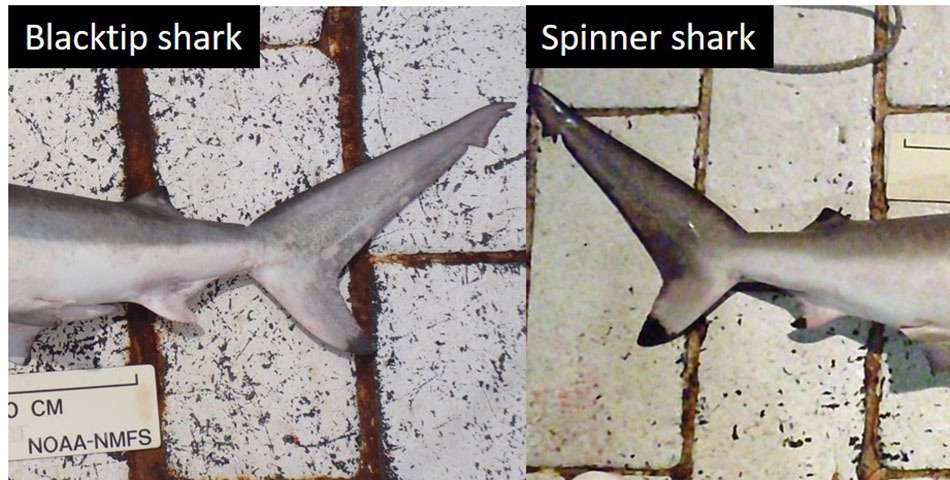
Fig. 52b.Anal fin: plain on blacktip, black-tipped on spinner
Photo: NOAA Fisheries / NMFS, NOAA Fisheries Cooperative Shark Tagging Program — Public domain (U.S. government work)
- Habitat
- Atlantic surf, Tidal rivers
- Methods
- Inshore boat, Surf, Pier
- Difficulty
- intermediate
- Eating
- fair
Identification
Look for
- Black-tipped first and second dorsal fins, pectoral fins, and lower tail-fin lobe
- Plain white (not black-tipped) anal fin — the key field mark separating it from the very similar spinner shark
- Light, conspicuous wedge-shaped or Z-shaped band along the sides beginning near the pectoral fins
- Dark gray, bluish-gray, to dusky bronze above, white below
Tell them apart
Look first: The anal fin decides it: plain on a blacktip, black-tipped on a spinner.
Blacktip Shark

| Look at | Blacktip Shark | |
|---|---|---|
| Anal fin | Plain, no black tip | Black tip |
| Snout | Moderately long and pointed | Longer and more pointed |
| First dorsal fin | Begins over or just behind where the pectoral fins attach | Begins farther back, behind the pectoral fins' rear tips |
| Behaviour | Leaps and spins when feeding — both do | Leaps and spins — not a tell |
Local waters
- Nearshore and surf-zone waters
- River mouths, bays, and estuaries
Catchable both from shore (surf, pier) and by boat (inshore boat).
When to fish
Warmer months, in nearshore and surf-zone waters off the Virginia coast — regularly present, though NOAA describes it as rare north of Delaware.
Tide stage for this kind of water
Rising through high, and the first of the fall
From: Reading the surfWater temperature
The water, not the calendar, sets the season here — a warm October or a cold snap moves these bands.
Water temperature and the seasonsHow to catch it
Catchable both from shore (surf, pier) and by boat (inshore boat). Technique notes for this species have not been written yet; the baits and rigs below are the documented starting points.
Bait & lures
- Cut or live fish bait on circle hooks from surf, pier, or nearshore boat
On the table
Eat with caution — check current Virginia fish consumption advisories for the specific waterbody before eating.
- Federally confirmed open as of 2026-08-18, managed under the 'large coastal shark' complex: 54" fork-length minimum size, 1 shark total per vessel per trip. Recreational anglers must hold a federal HMS Angling or Charterboat/Headboat permit *with a shark endorsement* to legally retain any shark species at all — most anglers fishing without one must release every shark regardless of that species' individual status, and Virginia (VMRC) rules may add further restrictions on top of federal ones. Anyone targeting sharks (from shore or a vessel) is also federally required to carry a device capable of quickly cutting the leader or hook. If removing the hook would delay release, cut the leader or hook as close to the hook as possible instead — the shark does not need to be lifted, dragged onto dry sand/a pier deck, or restrained to be released safely, and a shark should stay in the water throughout release whenever that's achievable.
Where to try
Water that suits blacktip shark
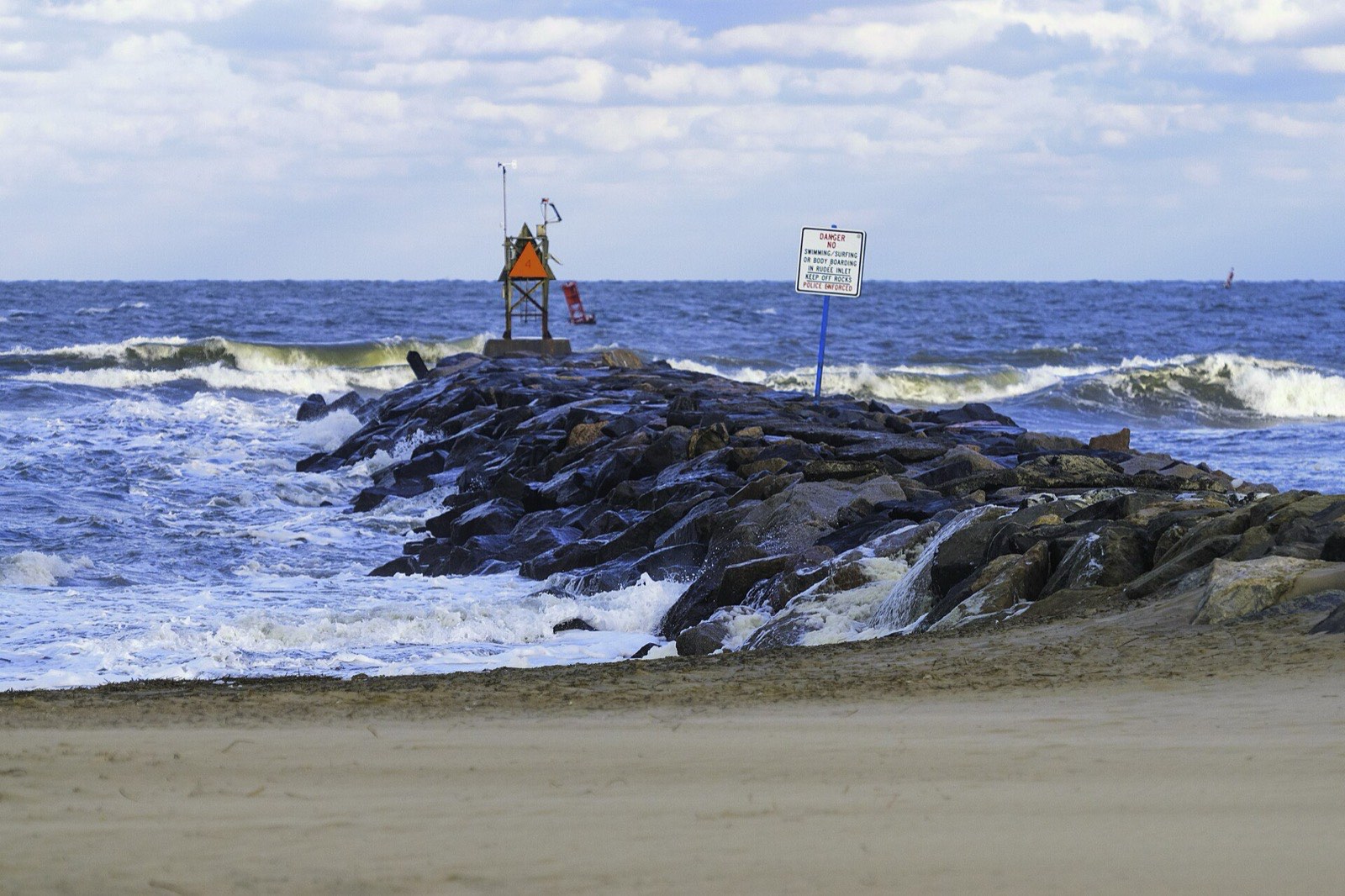
Photo PumpkinSky, CC BY-SA 3.0
ShorelineBeachHabitat matchRudee Inlet jetty & shoreline
Hard structure meeting ocean current — a technical spot that rewards anglers who read moving water.
6 speciesRestrooms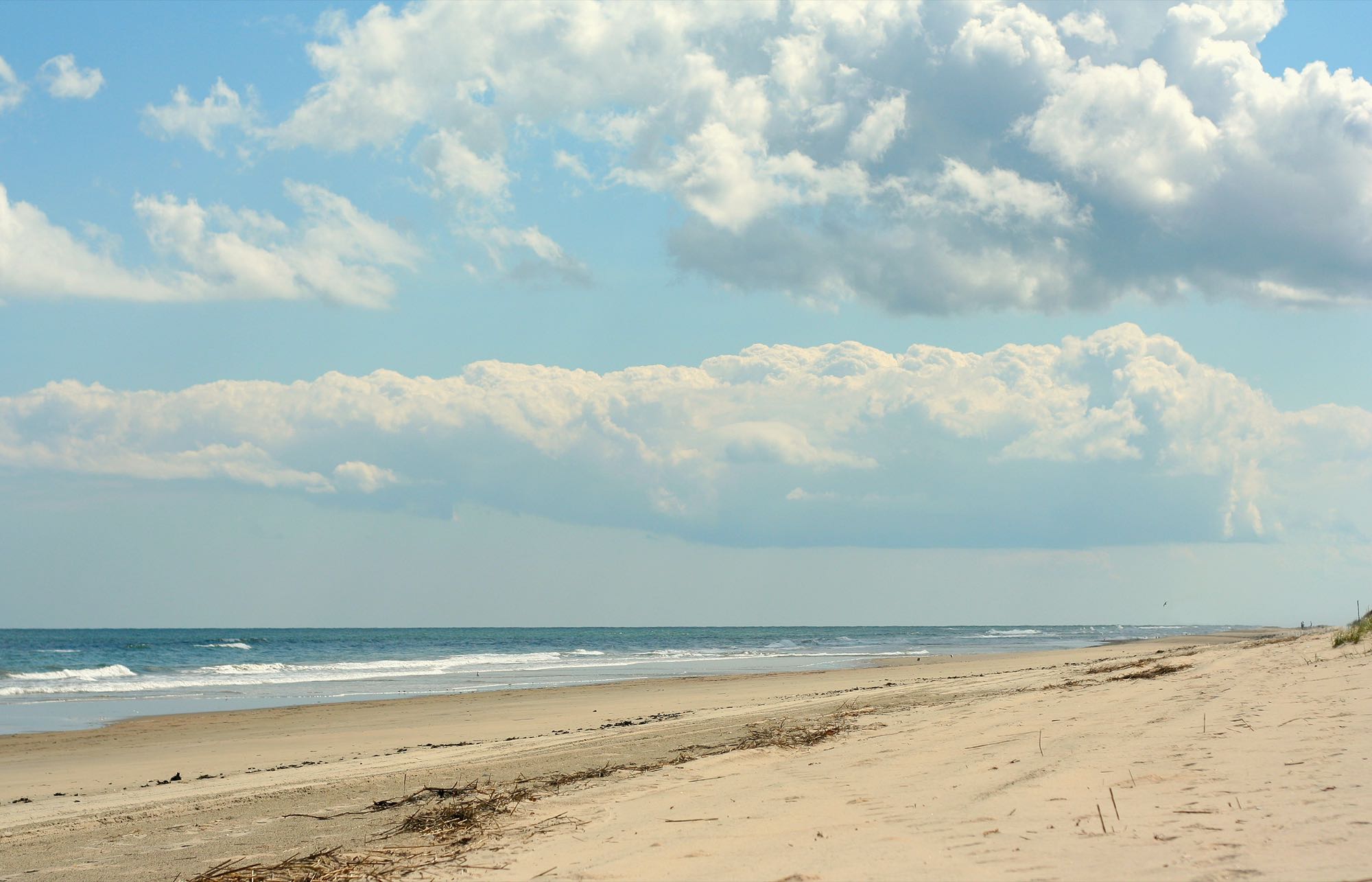
Photo Brent Hoard, CC BY 2.0
BeachHabitat matchSandbridge Beach surf
Open Atlantic beach with sandbars, troughs, and cuts — classic surf fishing with plenty of room to spread out.
4 speciesFamily-friendlyRestrooms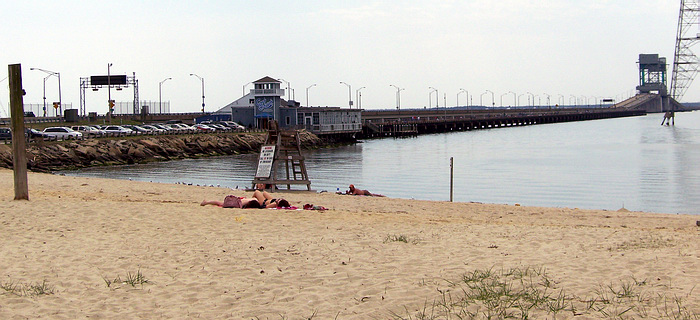
Photo Mytwocents, CC BY-SA 3.0
Fishing pierShorelineHabitat matchJames River pier & shoreline
Long tidal-river pier reaching out over deep water, mixing saltwater panfish with tidal-river species.
5 speciesFamily-friendlyAccessible featuresRestrooms- No verified photo yet36.82° N 76.29° WShorelineParkHabitat match
Portsmouth city park shoreline
Urban tidal-river access with parking, restrooms, and level ground — a practical after-work or with-kids option.
4 speciesFamily-friendlyAccessible featuresRestrooms 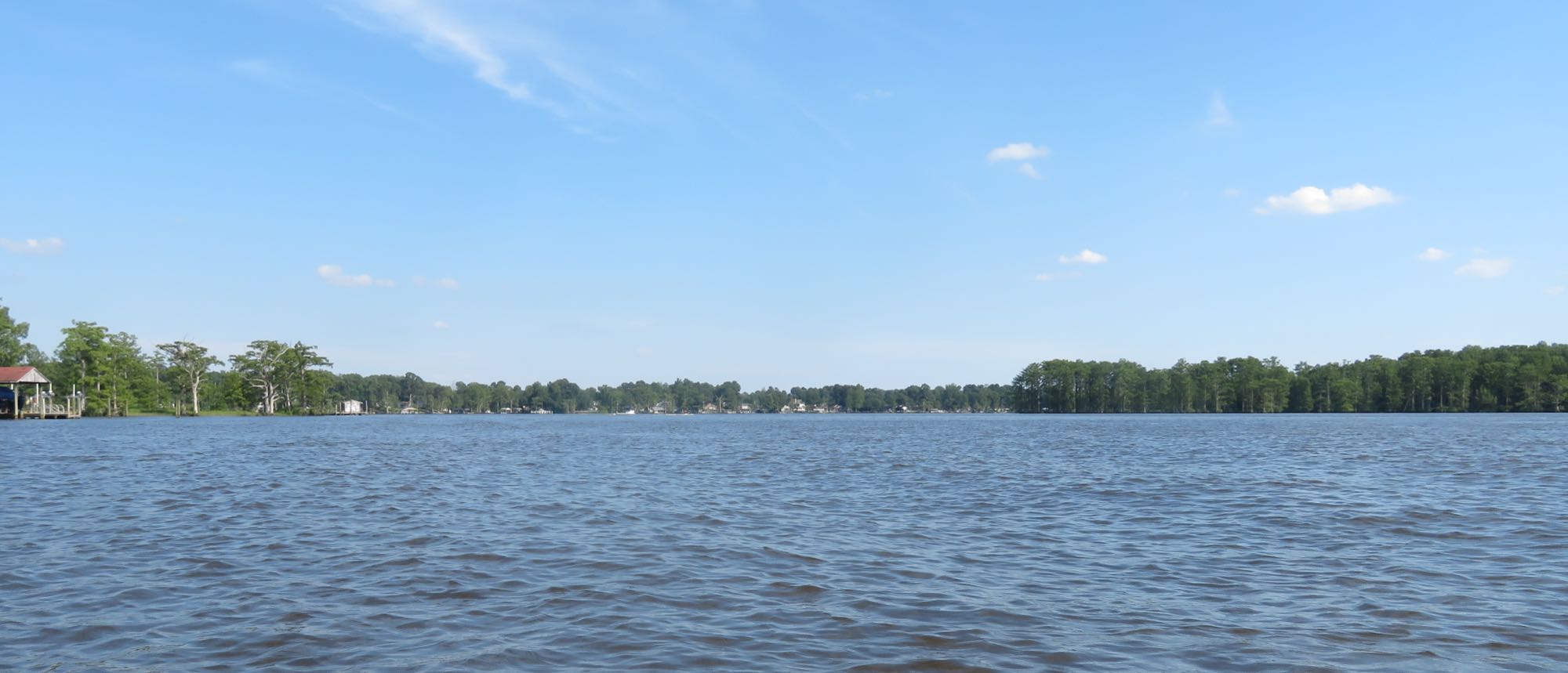
Photo David R. Bains, CC BY-SA 4.0 (representative)
ShorelineBoat rampHabitat matchChickahominy riverfront access
Tidal freshwater river with ramps, wide flats, and cypress shoreline — a strong bridge between fresh and brackish fishing.
3 speciesFamily-friendlyAccessible featuresRestrooms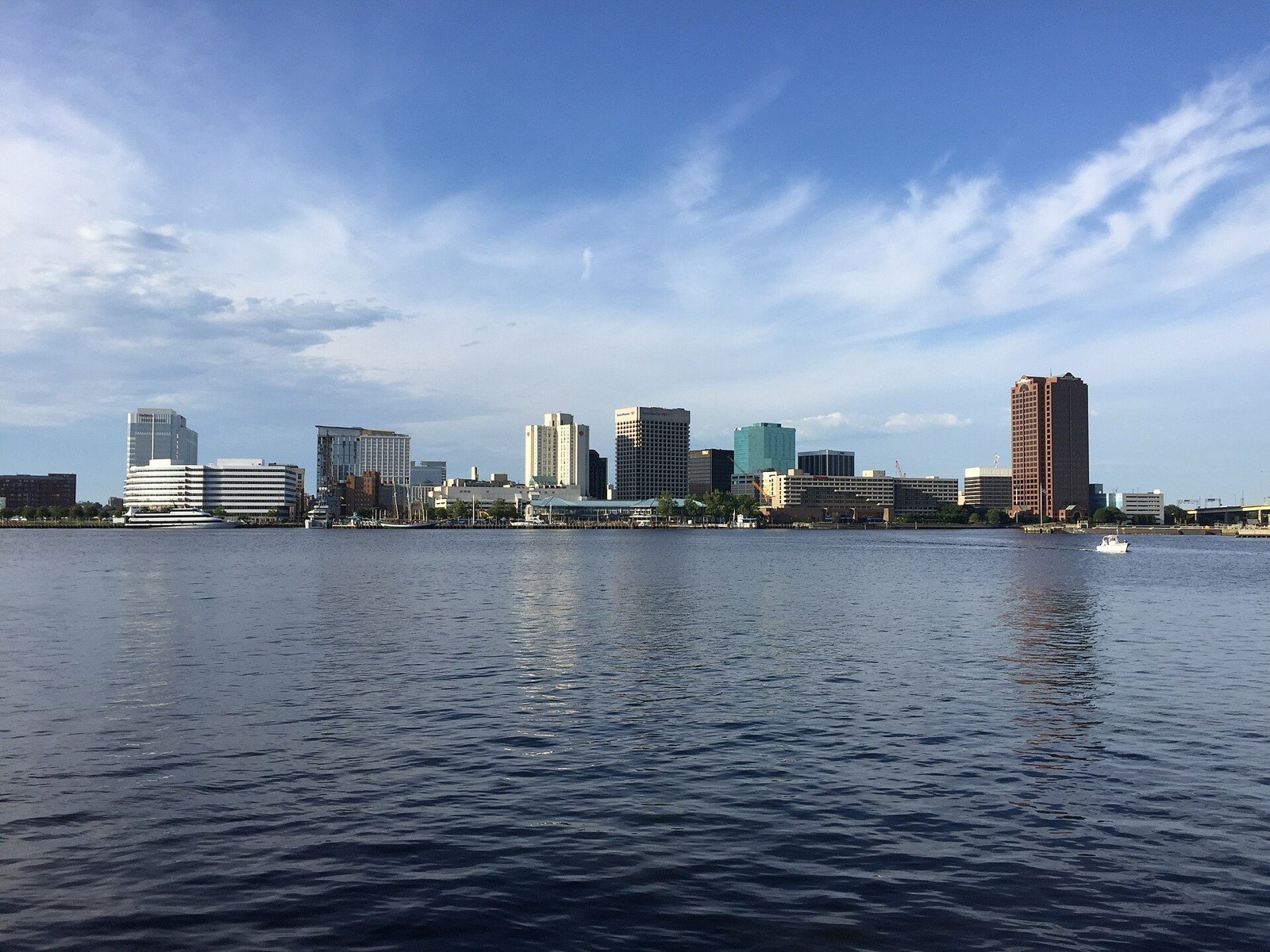
Photo Antony-22, CC BY-SA 4.0 (representative)
ShorelineKayak launchHabitat matchElizabeth River — Downtown Norfolk
Urban stripers around the piers and bridge pilings, best on the spring and fall runs.
2 speciesAccessible features


