Smooth Dogfish (Smoothhound Shark)
Mustelus canis
The smoothhound — a small, spineless, blunt-nosed shark caught constantly from Bay piers and jetties on cut bait in the warm months.
Typically present
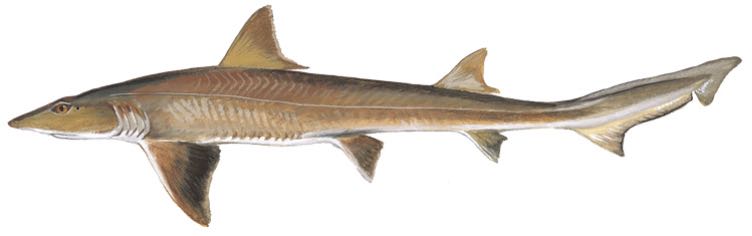
Illustration: Duane Raver / USFWS, U.S. Fish and Wildlife Service — Public domainLong edge is 752px, below this project's 1600px preference. Accepted because it is the best rights-clear, correctly-identified photo found for this species — see SPECIES_PHOTO_AUDIT.md for the source search record.
- Habitat
- Chesapeake Bay, Inlets
- Methods
- Inshore boat, Surf, Pier
- Difficulty
- beginner
- Eating
- Usually released
Identification
Look for
- No white spots on the body (unlike the similar Atlantic sharpnose shark)
- Two dorsal fins of nearly equal size, and small spiracles (openings behind the eyes) — the Atlantic sharpnose lacks spiracles
- Slender, gray-brown body; blunt, rounded snout rather than sharpnose's pointed one
Local waters
- Bay bottom near structure
- Piers, jetties, and inlets
Catchable both from shore (surf, pier) and by boat (inshore boat).
When to fish
Spring through fall — one of the most commonly caught small sharks from Bay piers and jetties.
Tide stage for this kind of water
Rising water on the shallow flats
From: Reading tides without overthinking themWater temperature
The water, not the calendar, sets the season here — a warm October or a cold snap moves these bands.
Water temperature and the seasonsHow to catch it
Catchable both from shore (surf, pier) and by boat (inshore boat). Technique notes for this species have not been written yet; the baits and rigs below are the documented starting points.
Bait & lures
- Cut bait fished on bottom — often caught incidentally while bottom fishing for other species
Rigs for smooth dogfish (smoothhound shark)
All rigsHandling and release
Not a food-use species in this guide (catch-and-release or restricted) — release.
- Federally open with no bag limit as of the last confirmed check — but see the note below on the permit requirement that applies before that's even relevant. Note: spiny dogfish is a real, different species sometimes confused with this one by name alone — it's managed under a completely separate federal fishery plan, not the Atlantic HMS shark program this page and its regulation link cover, so don't assume this entry's rules apply to it. Recreational anglers must hold a federal HMS Angling or Charterboat/Headboat permit *with a shark endorsement* to legally retain any shark species at all — most anglers fishing without one must release every shark regardless of that species' individual status, and Virginia (VMRC) rules may add further restrictions on top of federal ones. Anyone targeting sharks (from shore or a vessel) is also federally required to carry a device capable of quickly cutting the leader or hook. If removing the hook would delay release, cut the leader or hook as close to the hook as possible instead — the shark does not need to be lifted, dragged onto dry sand/a pier deck, or restrained to be released safely, and a shark should stay in the water throughout release whenever that's achievable.
Where to try
Water that suits smooth dogfish (smoothhound shark)
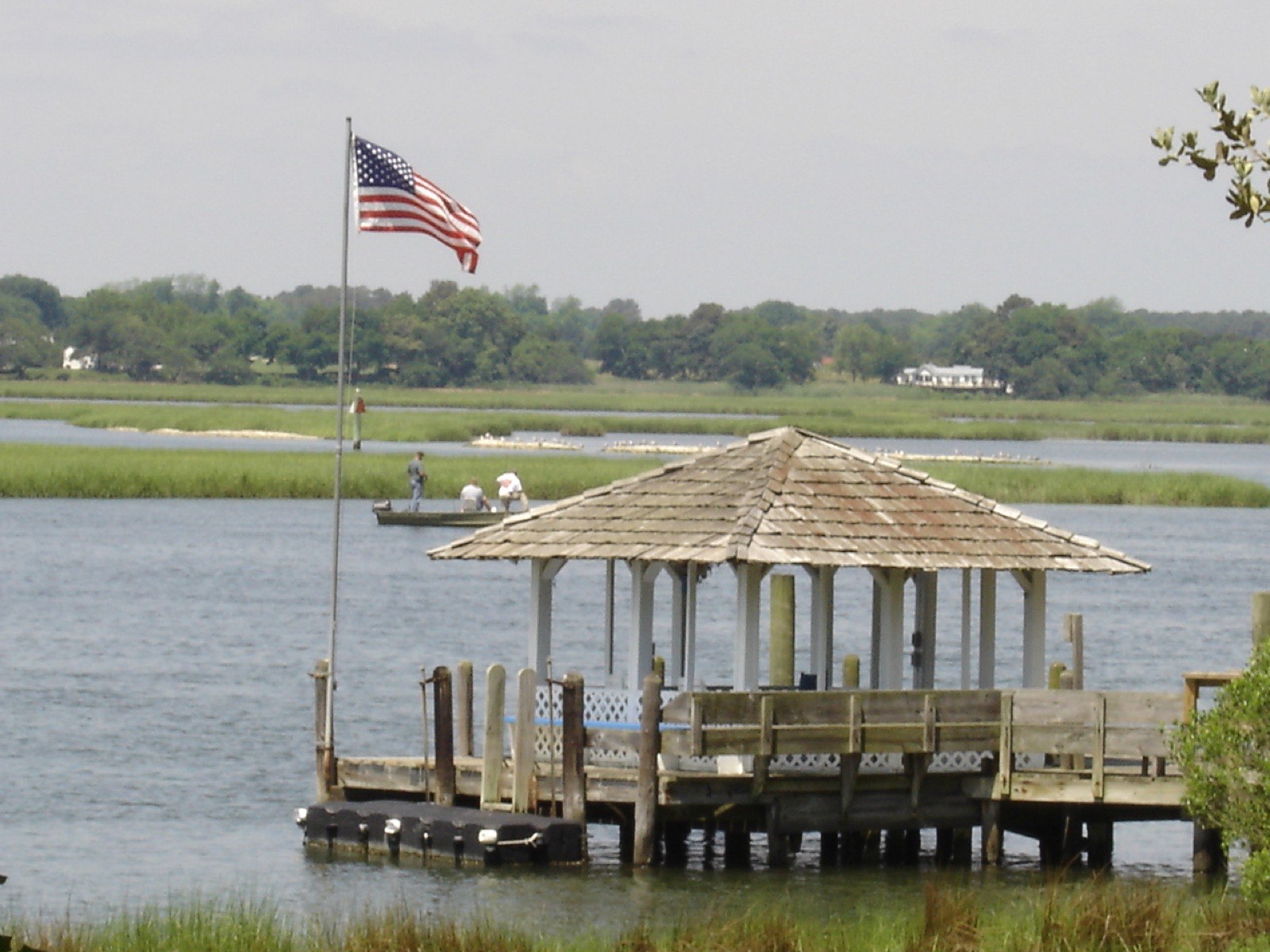
Photo BrandlandUSA, Public domain (representative)
ShorelineKayak launchHabitat matchLynnhaven Inlet — Boat Ramp & Beach Facility
The historic Lynnhaven Fishing Pier closed in 2017 and was sold — today's public access is the city's Lynnhaven Boat Ramp & Beach Facility, plus some bank fishing along the beach and riprap.
3 speciesAccessible features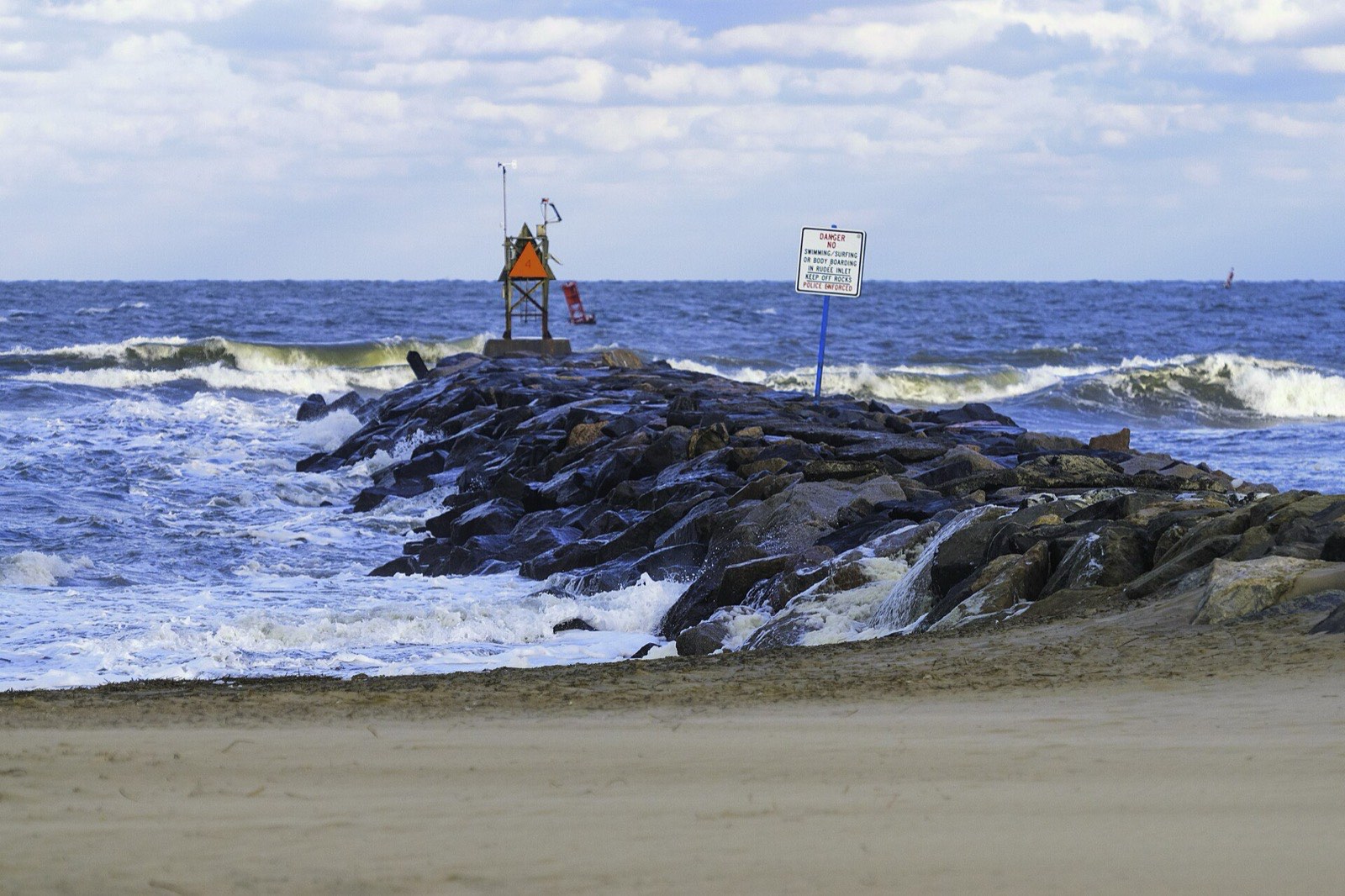
Photo PumpkinSky, CC BY-SA 3.0
ShorelineBeachHabitat matchRudee Inlet jetty & shoreline
Hard structure meeting ocean current — a technical spot that rewards anglers who read moving water.
6 speciesRestrooms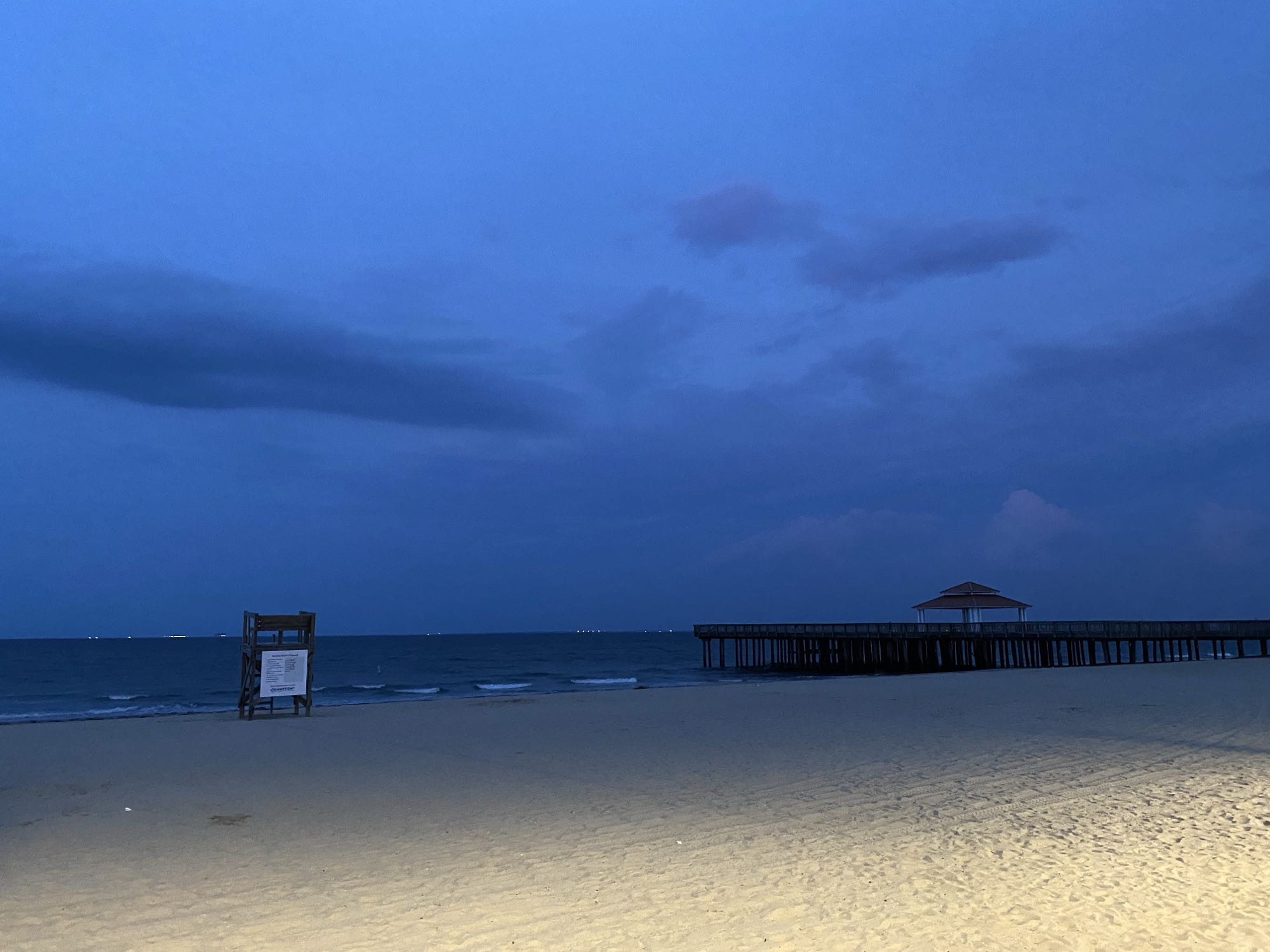
Photo Fuzheado, CC BY-SA 3.0
Fishing pierBeachHabitat matchBuckroe Beach & pier area
Bay-front pier and beach park — the most family-friendly introduction to Chesapeake fishing in Hampton.
6 speciesFamily-friendlyAccessible featuresRestrooms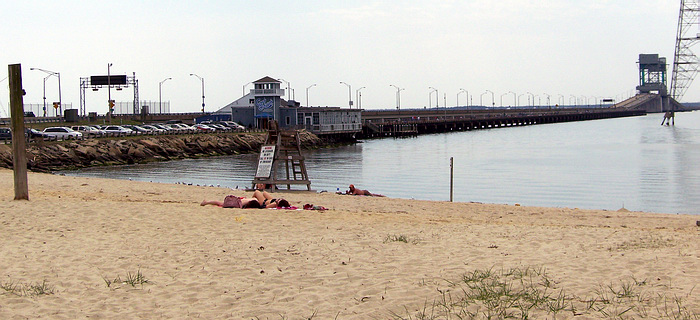
Photo Mytwocents, CC BY-SA 3.0
Fishing pierShorelineHabitat matchJames River pier & shoreline
Long tidal-river pier reaching out over deep water, mixing saltwater panfish with tidal-river species.
5 speciesFamily-friendlyAccessible featuresRestrooms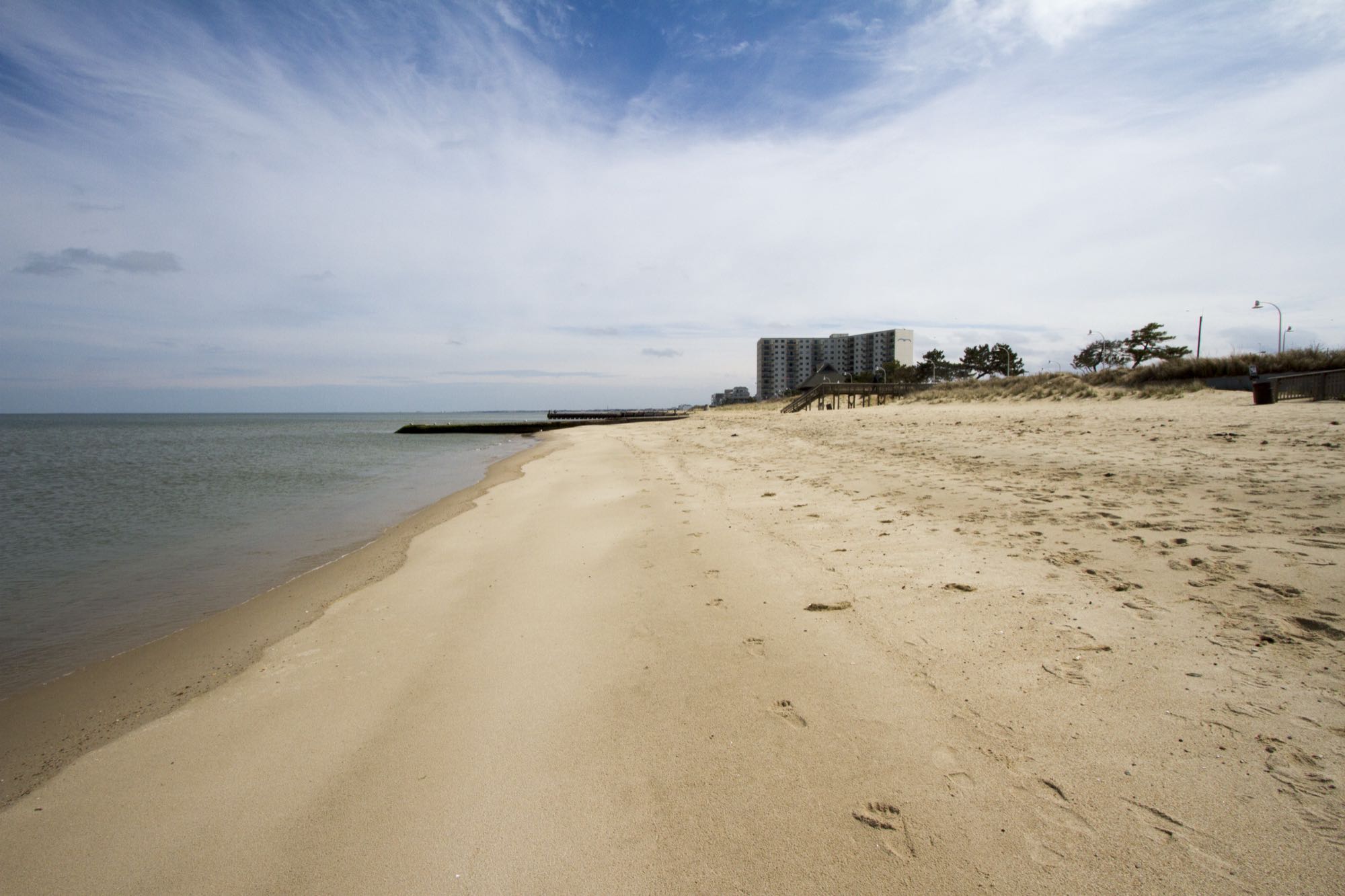
Photo Patrick Bloodgood / U.S. Army Corps of Engineers, Norfolk District, Public domain
ShorelineBeachHabitat matchWilloughby Spit shoreline
Narrow Bay-front spit near major structure — walkable shoreline with surprising depth close to the beach.
4 speciesFamily-friendly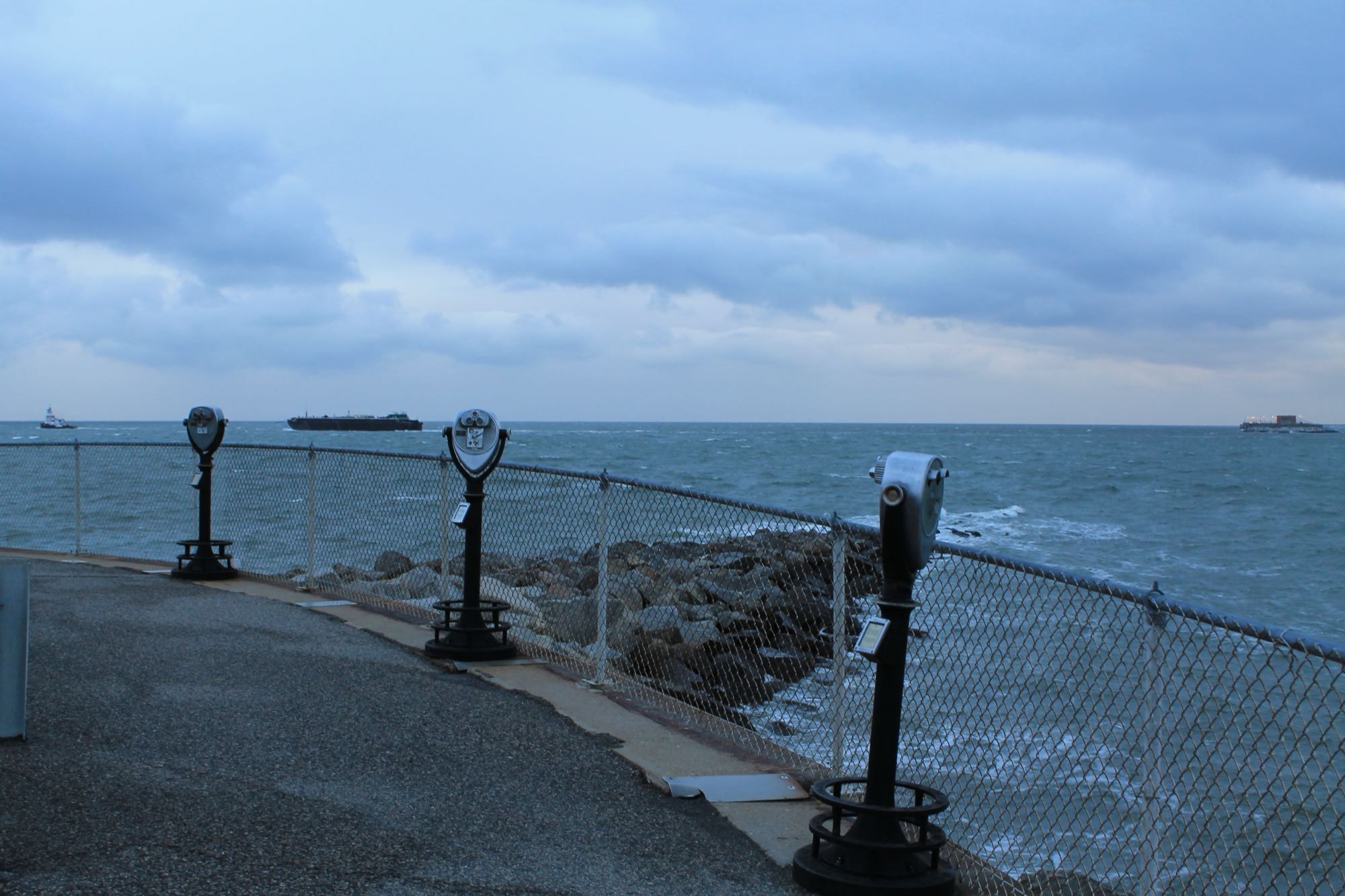
Photo Patrick Nouhailler, CC BY-SA 2.0 (representative)
Boat rampHabitat matchBay-mouth bridge structure (boat)
Miles of pilings, rubble, and channel edges at the Bay mouth — the region's premier structure fishery, boat access only.
6 species


