Atlantic Stingray
Hypanus sabinus
A small, spade-snouted stingray of the shallow flats and brackish creeks — the southern stingray's smaller cousin, hooked incidentally and released with the tail in mind.
Typically present
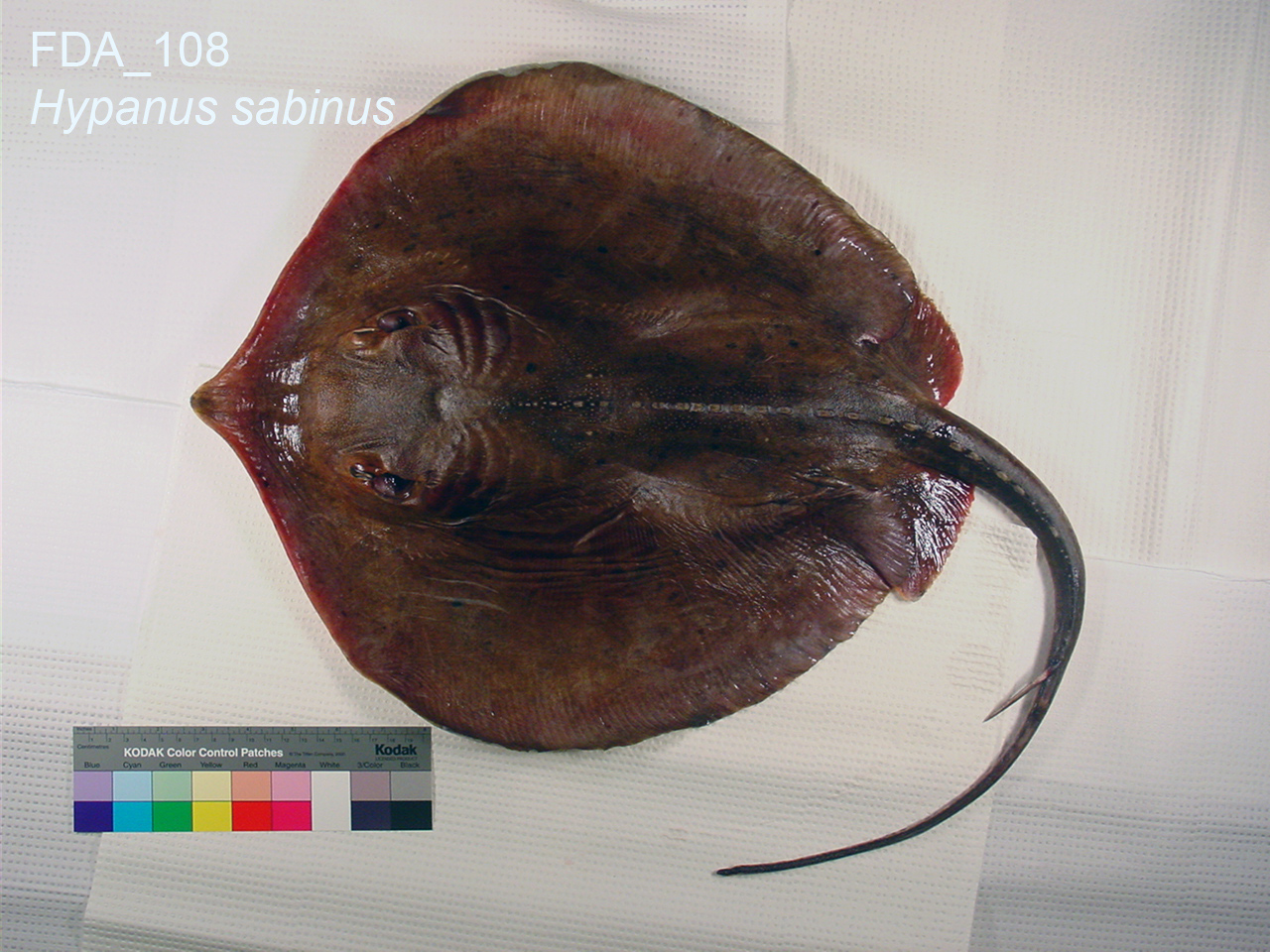
Photo: J. Deeds / U.S. Food and Drug Administration, U.S. Food and Drug Administration — Public domainLong edge is 1280px, below this project's 1600px preference. Accepted because it is the best rights-clear, correctly-identified photo found for this species — see SPECIES_PHOTO_AUDIT.md for the source search record.
- Habitat
- Inshore waters, Chesapeake Bay
- Methods
- Inshore boat, Shore, Kayak
- Difficulty
- intermediate
- Eating
- Usually released
Identification
Look for
- Much smaller than the already-published southern stingray at maturity — the single most useful field distinction between the two in this region
- Flattened, spade-shaped disc with a prominent triangular snout and broadly rounded outer corners
- Brownish to yellowish-brown above, whitish below; a whip-like tail bearing a serrated spine that is replaced annually
Local waters
- Shallow inshore flats
- Estuaries, lagoons, and brackish tidal rivers — the northern edge of this species' range reaches the Chesapeake Bay
Catchable both from shore (shore) and by boat (inshore boat, kayak).
When to fish
Warmer months, shallow water — a common incidental catch alongside the already-published southern stingray.
Tide stage for this kind of water
Rising water on the flats
From: Reading tides without overthinking themWater temperature
The water, not the calendar, sets the season here — a warm October or a cold snap moves these bands.
Water temperature and the seasonsHow to catch it
Catchable both from shore (shore) and by boat (inshore boat, kayak). Technique notes for this species have not been written yet; the baits and rigs below are the documented starting points.
Bait & lures
- Not a deliberate target — almost always an incidental catch while bottom fishing shallow flats
Handling and release
Not a food-use species in this guide (catch-and-release or restricted) — release.
- Food-use status is marked 'unclear — check current regulations' because this project has not found a reliable, current, Virginia-specific source confirming consumption safety or legal harvest status for this species — it is not a claim that it's unsafe or prohibited, only that this hasn't been confirmed. Habitat and bait notes reflect general regional knowledge, not individually verified data. Like all stingrays on this site, avoid stepping near the tail, never drag the ray onto dry sand or a pier deck for hook removal, and cut the leader close to the hook rather than forcing removal if it would delay release.
Where to try
Water that suits atlantic stingray
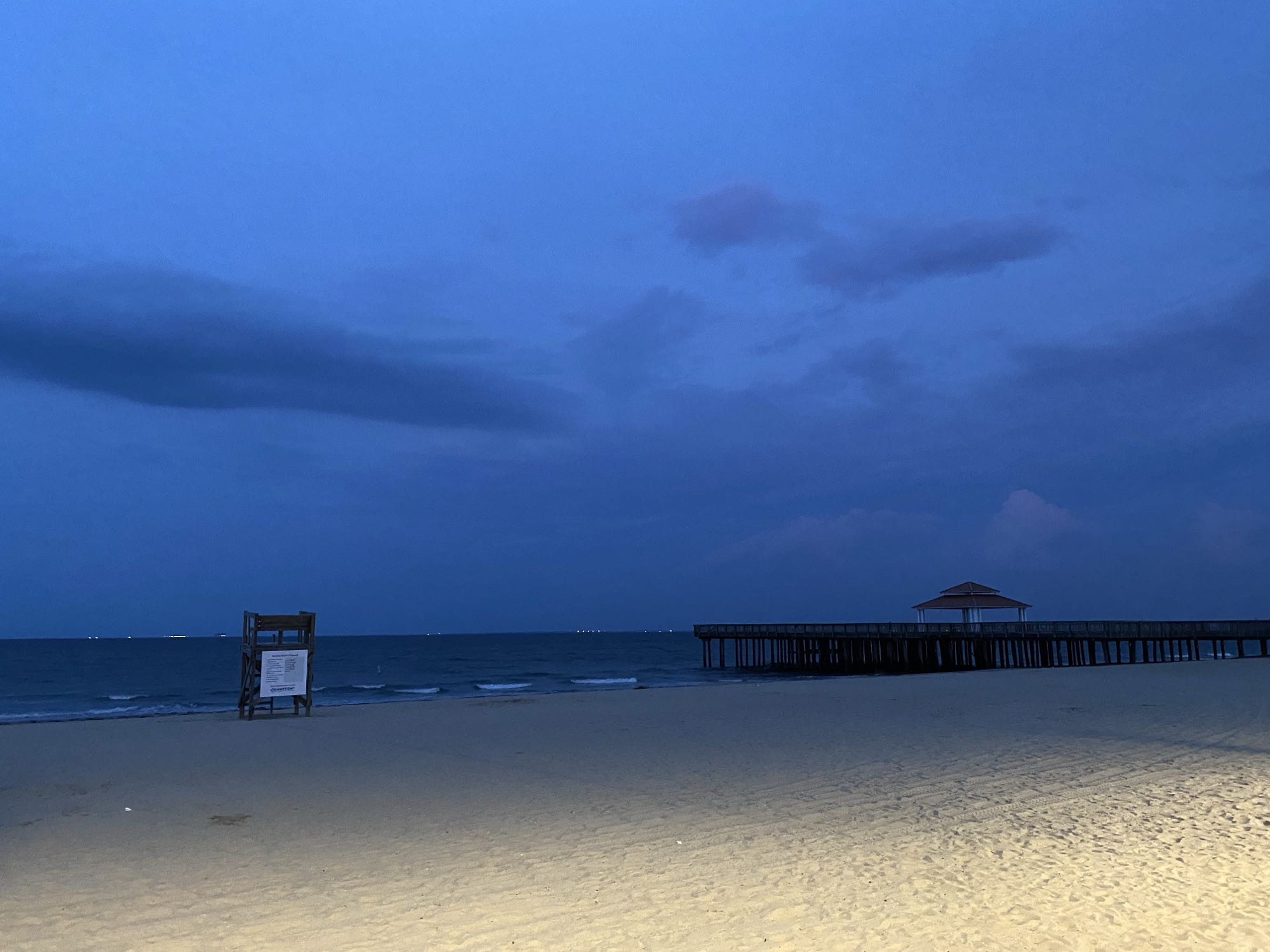
Photo Fuzheado, CC BY-SA 3.0
Fishing pierBeachHabitat matchBuckroe Beach & pier area
Bay-front pier and beach park — the most family-friendly introduction to Chesapeake fishing in Hampton.
6 speciesFamily-friendlyAccessible featuresRestrooms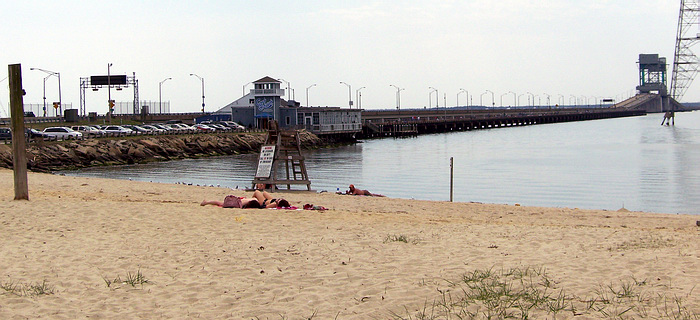
Photo Mytwocents, CC BY-SA 3.0
Fishing pierShorelineHabitat matchJames River pier & shoreline
Long tidal-river pier reaching out over deep water, mixing saltwater panfish with tidal-river species.
5 speciesFamily-friendlyAccessible featuresRestrooms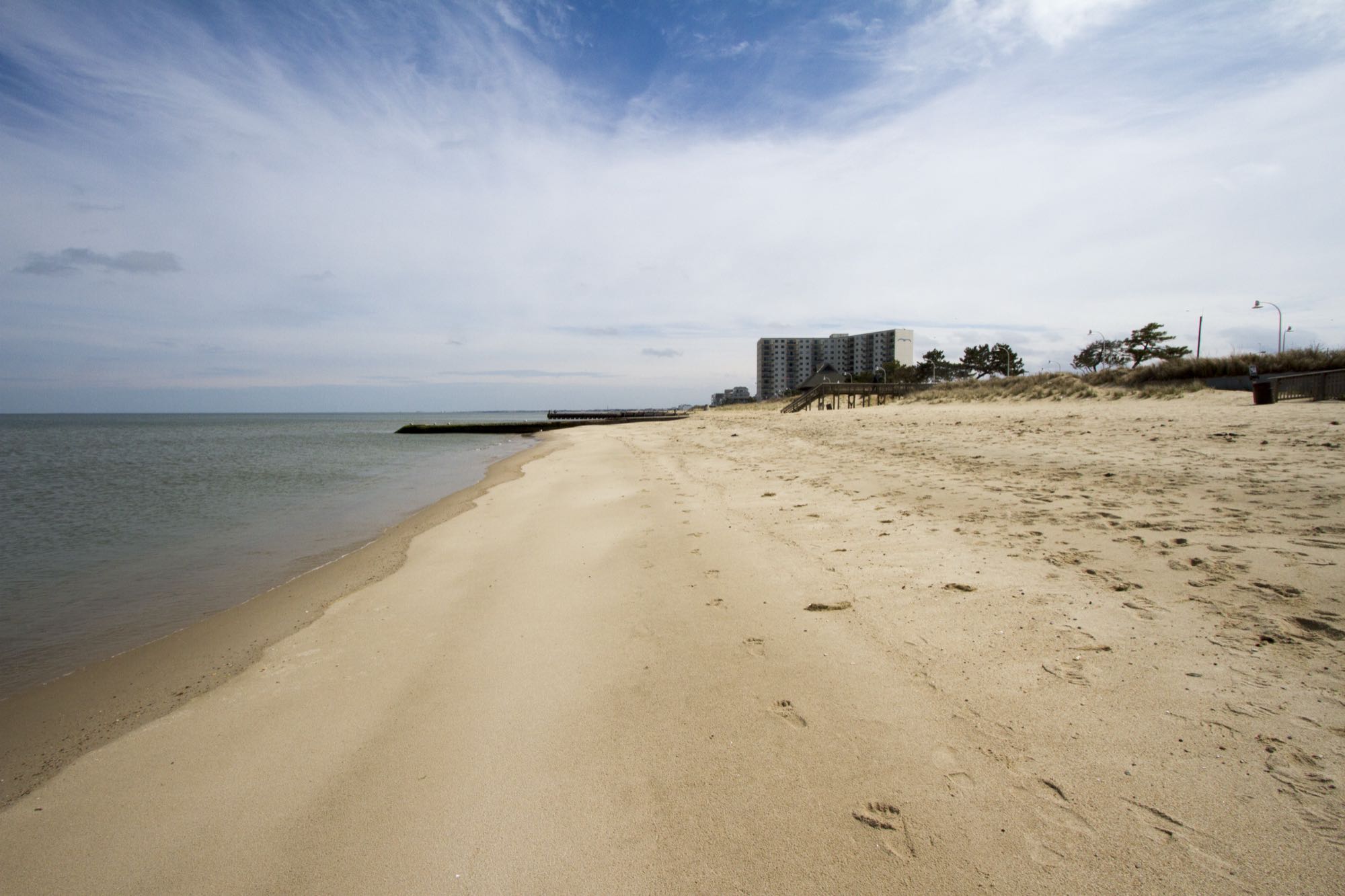
Photo Patrick Bloodgood / U.S. Army Corps of Engineers, Norfolk District, Public domain
ShorelineBeachHabitat matchWilloughby Spit shoreline
Narrow Bay-front spit near major structure — walkable shoreline with surprising depth close to the beach.
4 speciesFamily-friendly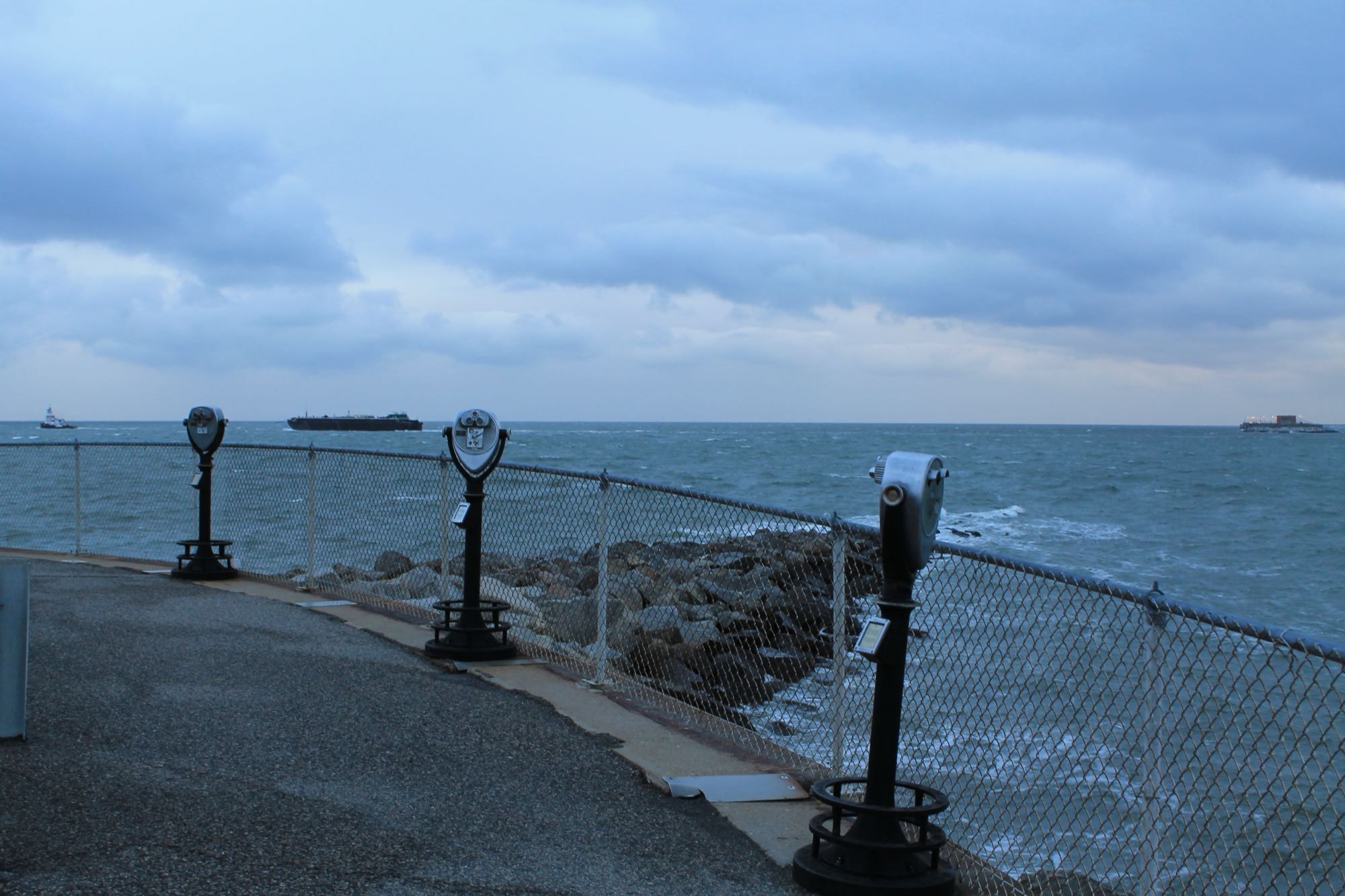
Photo Patrick Nouhailler, CC BY-SA 2.0 (representative)
Boat rampHabitat matchBay-mouth bridge structure (boat)
Miles of pilings, rubble, and channel edges at the Bay mouth — the region's premier structure fishery, boat access only.
6 species- No verified photo yet37.11° N 76.32° WKayak launchShorelineHabitat match
Poquoson marsh kayak launch
Quiet grass-and-creek country for paddlers — shallow water, oyster bars, and very little boat pressure.
4 speciesFamily-friendly - No verified photo yet37.11° N 76.32° WBeachShorelineHabitat match
Grandview Nature Preserve shoreline
A long walk-in Bay shoreline backed by marsh — solitude, wading depth, and a genuinely wild feel inside the city.
5 speciesFamily-friendly


