Southern Stingray
Hypanus americanus
The diamond-shaped bottom ray of the summer flats and pier bottoms — a frequent incidental catch with a venomous tail spine that calls for shuffling feet and cutting the leader.
Typically present
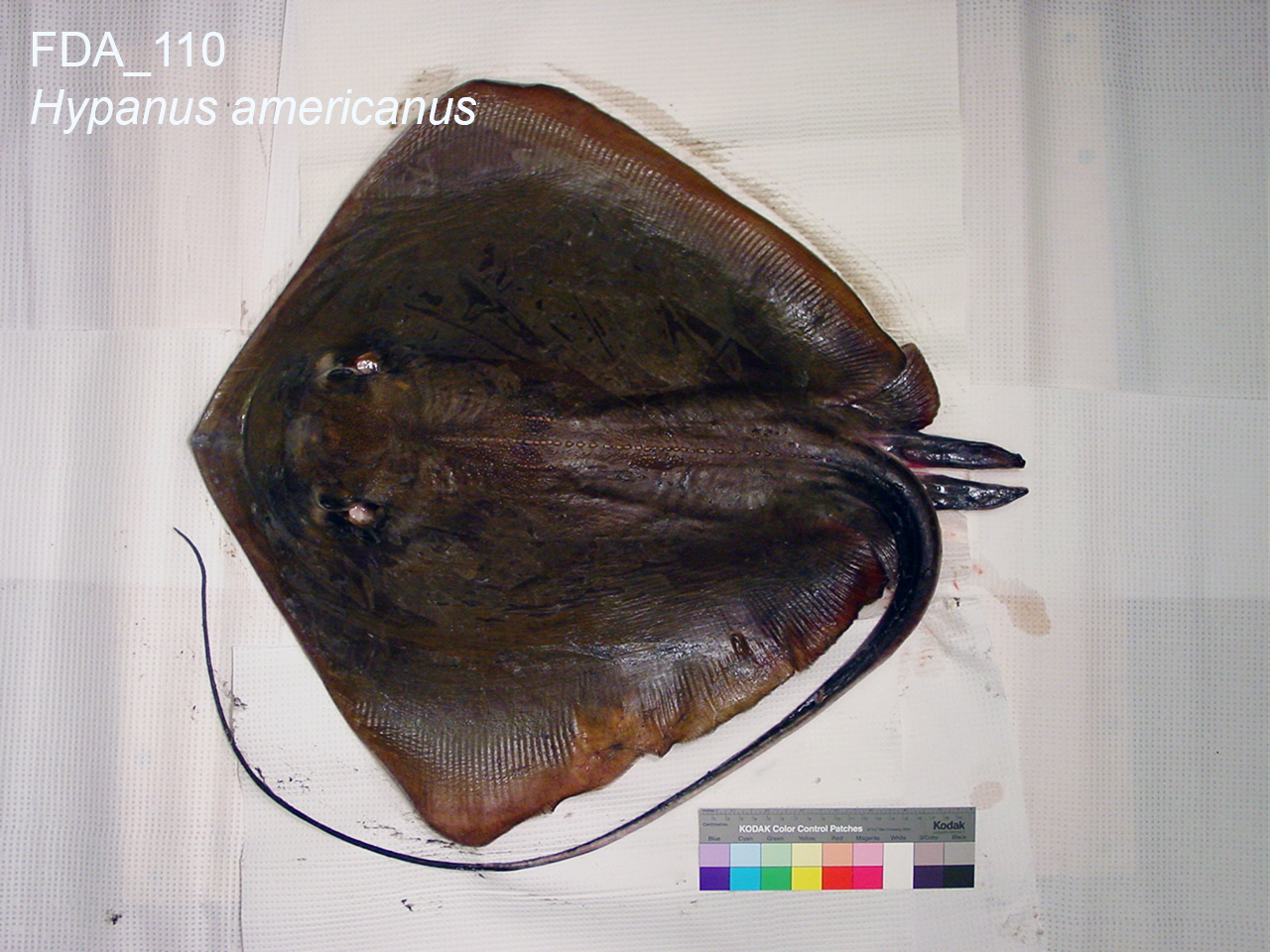
Photo: J. Deeds / U.S. Food and Drug Administration, U.S. Food and Drug Administration — Public domainLong edge is 1280px, below this project's 1600px preference. Accepted because it is the best rights-clear, correctly-identified photo found for this species — see SPECIES_PHOTO_AUDIT.md for the source search record.
- Habitat
- Inshore waters, Inlets
- Methods
- Inshore boat, Surf, Pier
- Difficulty
- intermediate
- Eating
- Usually released
Identification
Look for
- Broad, diamond-shaped disc, usually gray-brown above and white below
- Long, whip-like tail carrying one or more venomous barbed spines near its base — the tail is thin and easy to overlook against sand
Local waters
- Sandy and muddy flats
- Piers and inlet bottoms
Catchable both from shore (surf, pier) and by boat (inshore boat).
When to fish
Summer, common over sandy and muddy flats and around piers.
Tide stage for this kind of water
Rising water on the flats
From: Reading tides without overthinking themWater temperature
The water, not the calendar, sets the season here — a warm October or a cold snap moves these bands.
Water temperature and the seasonsHow to catch it
Catchable both from shore (surf, pier) and by boat (inshore boat). Technique notes for this species have not been written yet; the baits and rigs below are the documented starting points.
Bait & lures
- Cut bait or crab fished on bottom — frequently caught incidentally
Handling and release
Not a food-use species in this guide (catch-and-release or restricted) — release.
- Has one or more venomous barbed spines on the tail. Prevention matters more than in-the-moment handling: shuffle your feet ('stingray shuffle') rather than taking normal steps when wading in shallow flats — the motion and vibration give a buried ray time to move off before you'd step on it directly. If you hook one, avoid handling it by hand at all where possible; keep well clear of the tail's full reach (it can flex and reach further than it looks), use long-nose pliers or a dehooking tool for an easily-reached hook, and cut the leader as close to the hook as you safely can if it isn't easily reached rather than trying to force removal. Release it in the water rather than dragging it onto sand or a pier deck. A sting is a real medical event, not just discomfort — the standard first-aid step for a sting is soaking the area in water as hot as can be tolerated (this breaks down the venom's proteins) and seeking medical attention, especially if a piece of the spine stays embedded or a serious reaction develops.
Where to try
Water that suits southern stingray
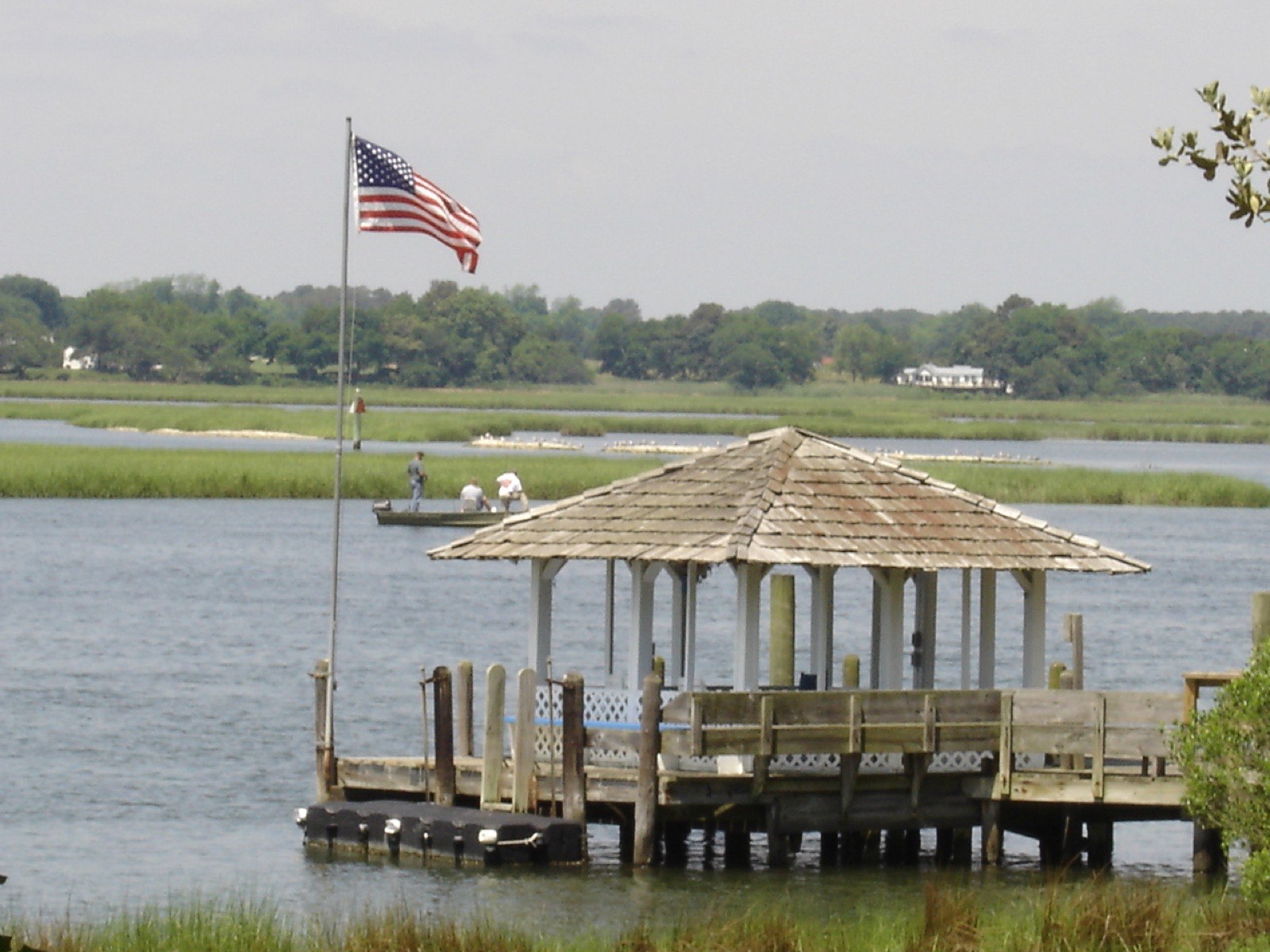
Photo BrandlandUSA, Public domain (representative)
ShorelineKayak launchHabitat matchLynnhaven Inlet — Boat Ramp & Beach Facility
The historic Lynnhaven Fishing Pier closed in 2017 and was sold — today's public access is the city's Lynnhaven Boat Ramp & Beach Facility, plus some bank fishing along the beach and riprap.
3 speciesAccessible features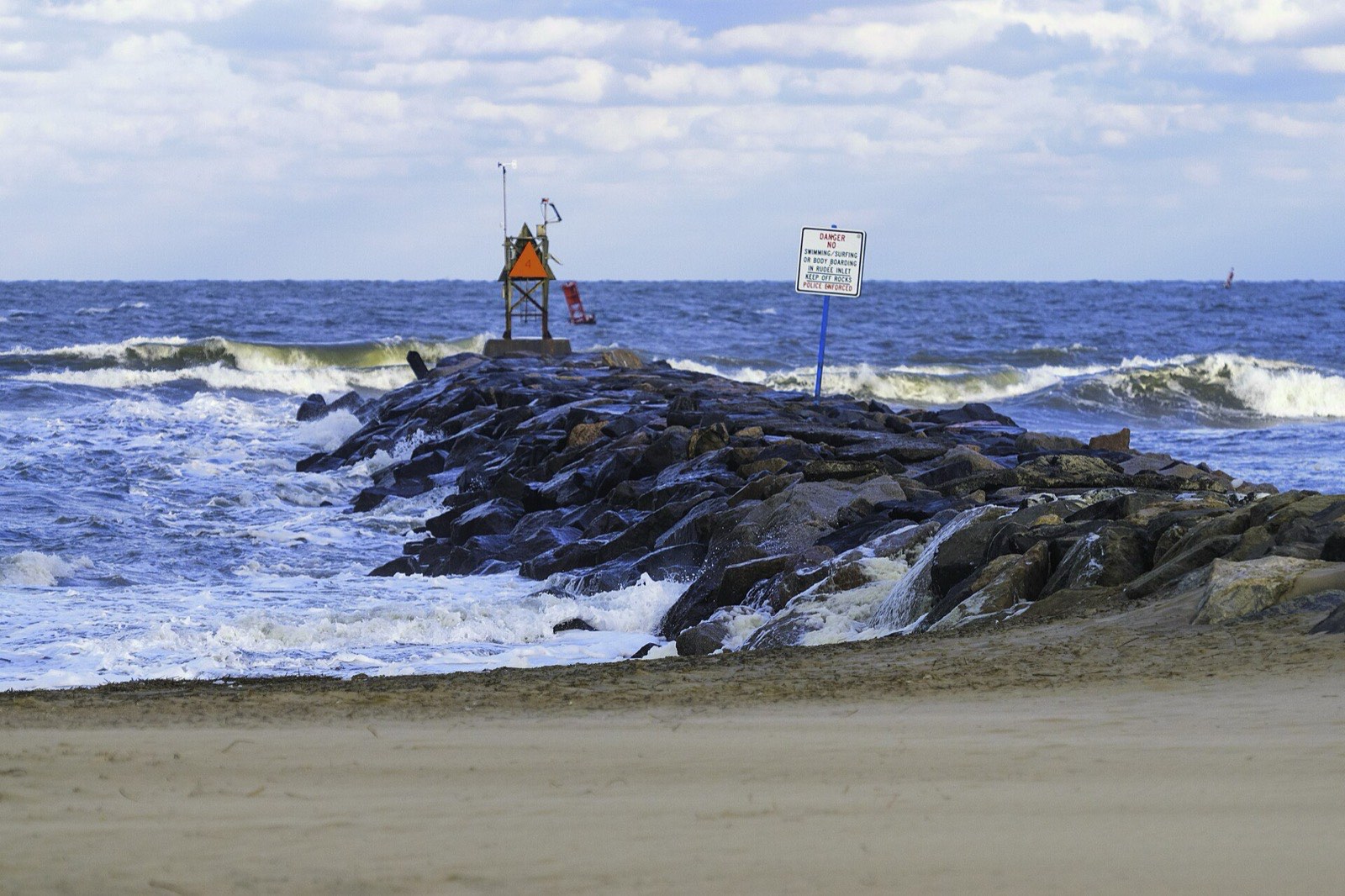
Photo PumpkinSky, CC BY-SA 3.0
ShorelineBeachHabitat matchRudee Inlet jetty & shoreline
Hard structure meeting ocean current — a technical spot that rewards anglers who read moving water.
6 speciesRestrooms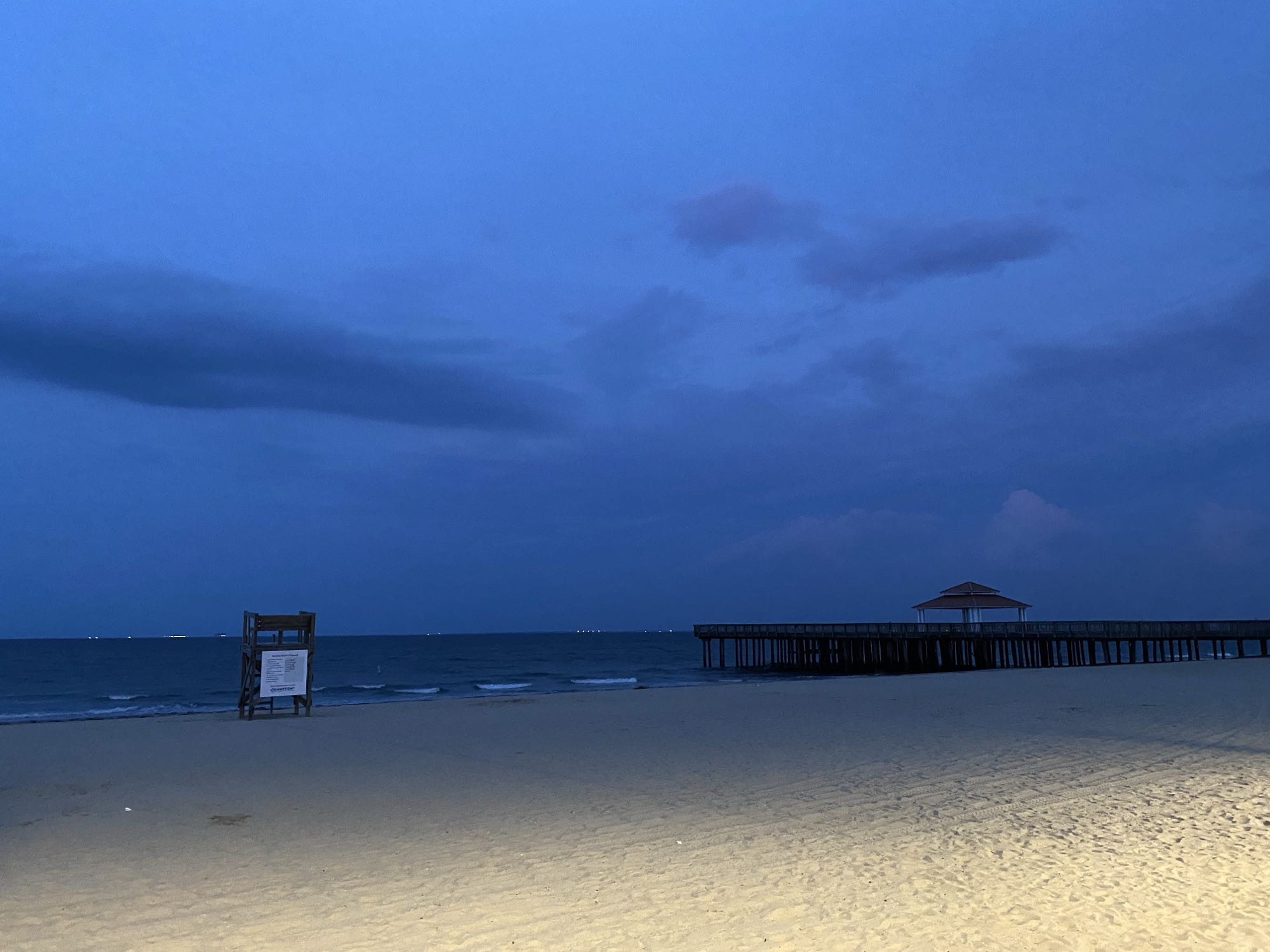
Photo Fuzheado, CC BY-SA 3.0
Fishing pierBeachHabitat matchBuckroe Beach & pier area
Bay-front pier and beach park — the most family-friendly introduction to Chesapeake fishing in Hampton.
6 speciesFamily-friendlyAccessible featuresRestrooms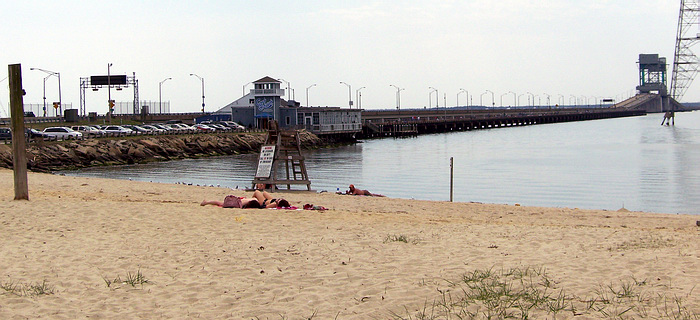
Photo Mytwocents, CC BY-SA 3.0
Fishing pierShorelineHabitat matchJames River pier & shoreline
Long tidal-river pier reaching out over deep water, mixing saltwater panfish with tidal-river species.
5 speciesFamily-friendlyAccessible featuresRestrooms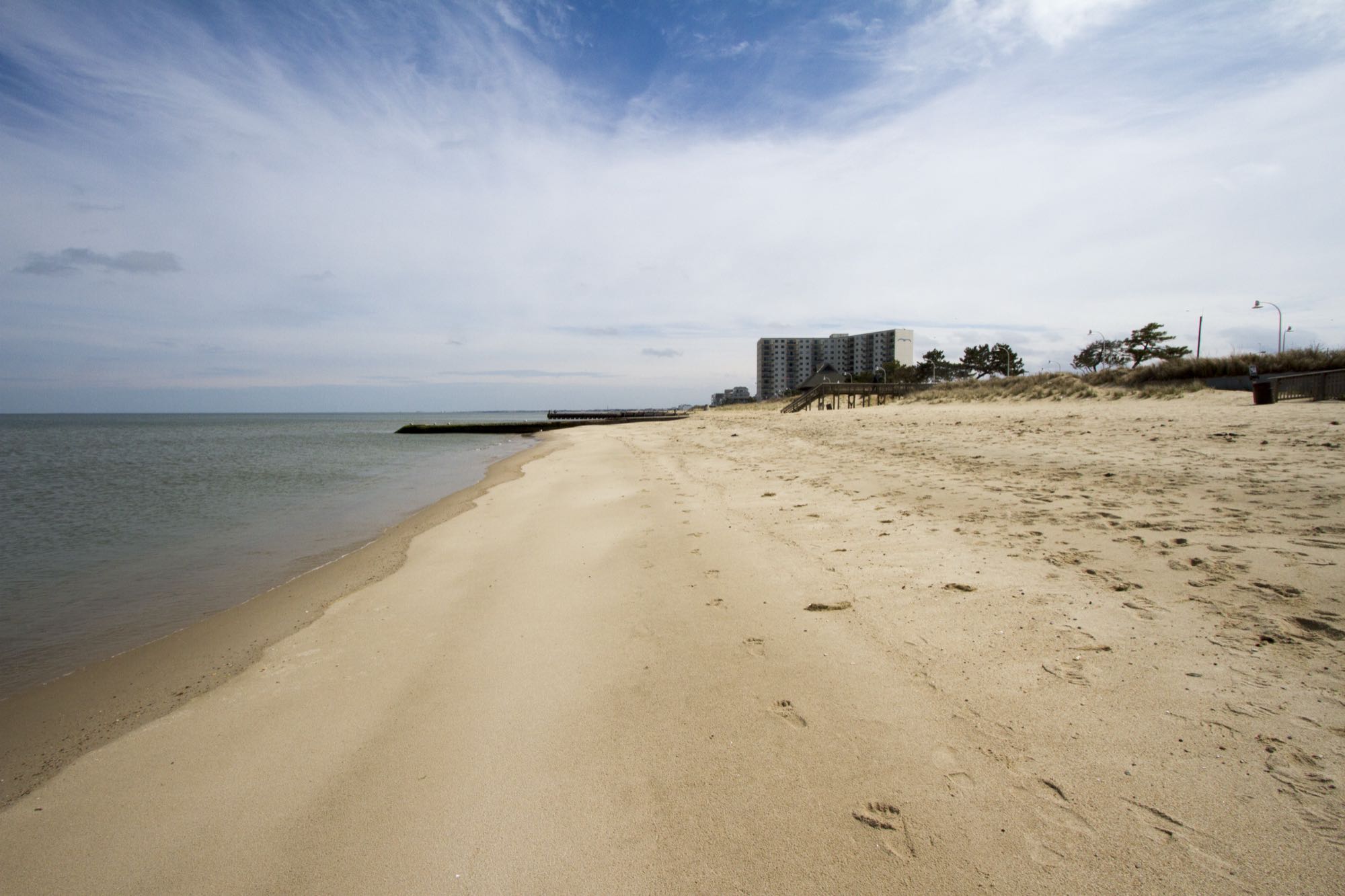
Photo Patrick Bloodgood / U.S. Army Corps of Engineers, Norfolk District, Public domain
ShorelineBeachHabitat matchWilloughby Spit shoreline
Narrow Bay-front spit near major structure — walkable shoreline with surprising depth close to the beach.
4 speciesFamily-friendly- No verified photo yet37.11° N 76.32° WKayak launchShorelineHabitat match
Poquoson marsh kayak launch
Quiet grass-and-creek country for paddlers — shallow water, oyster bars, and very little boat pressure.
4 speciesFamily-friendly


