Alewife
Alosa pseudoharengus
A river herring that runs the tidal-river tributaries each spring — under a Virginia-wide harvest moratorium, and released immediately if caught.
Typically present
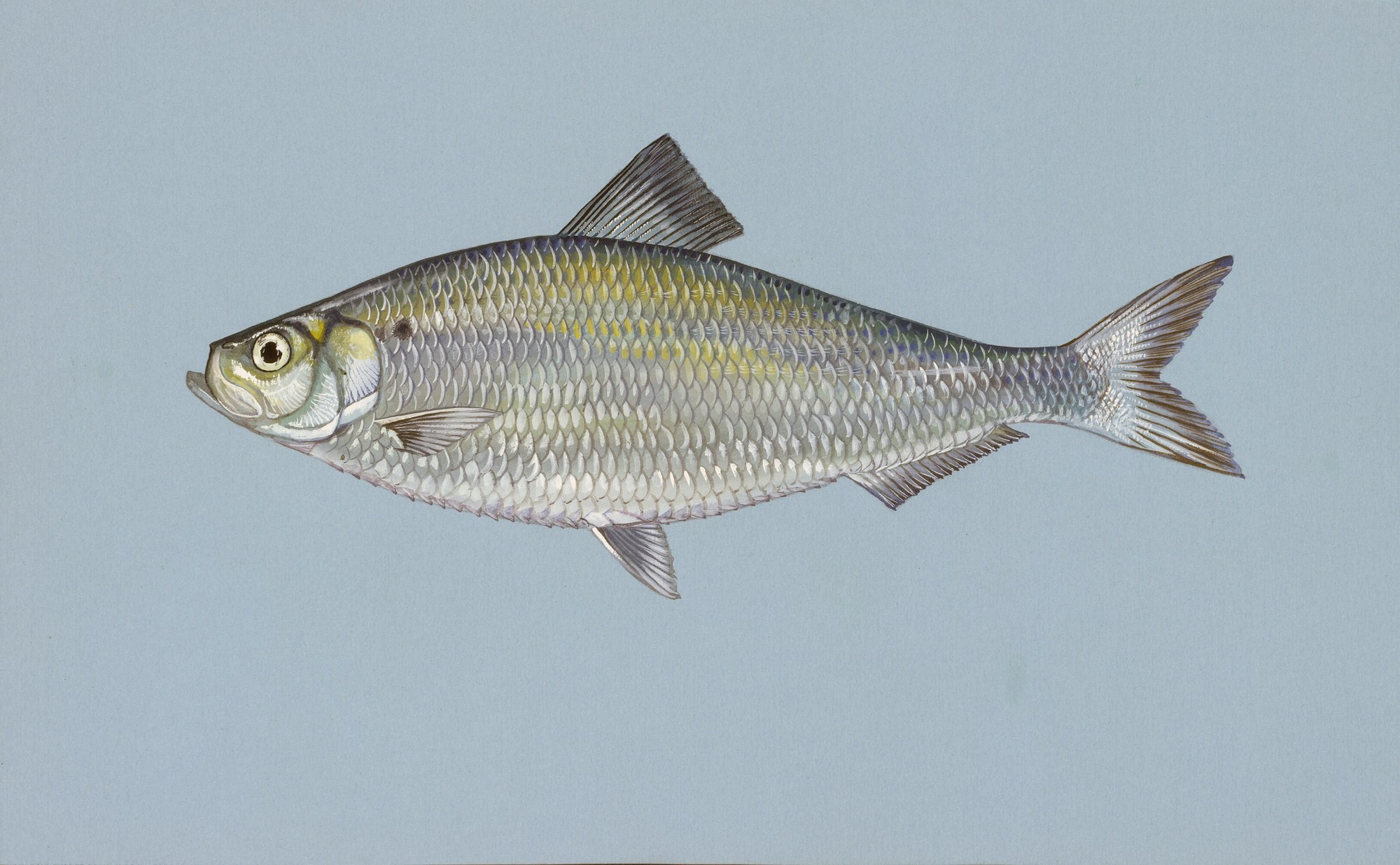
Illustration: Duane Raver / U.S. Fish and Wildlife Service, U.S. Fish and Wildlife Service — Public domain
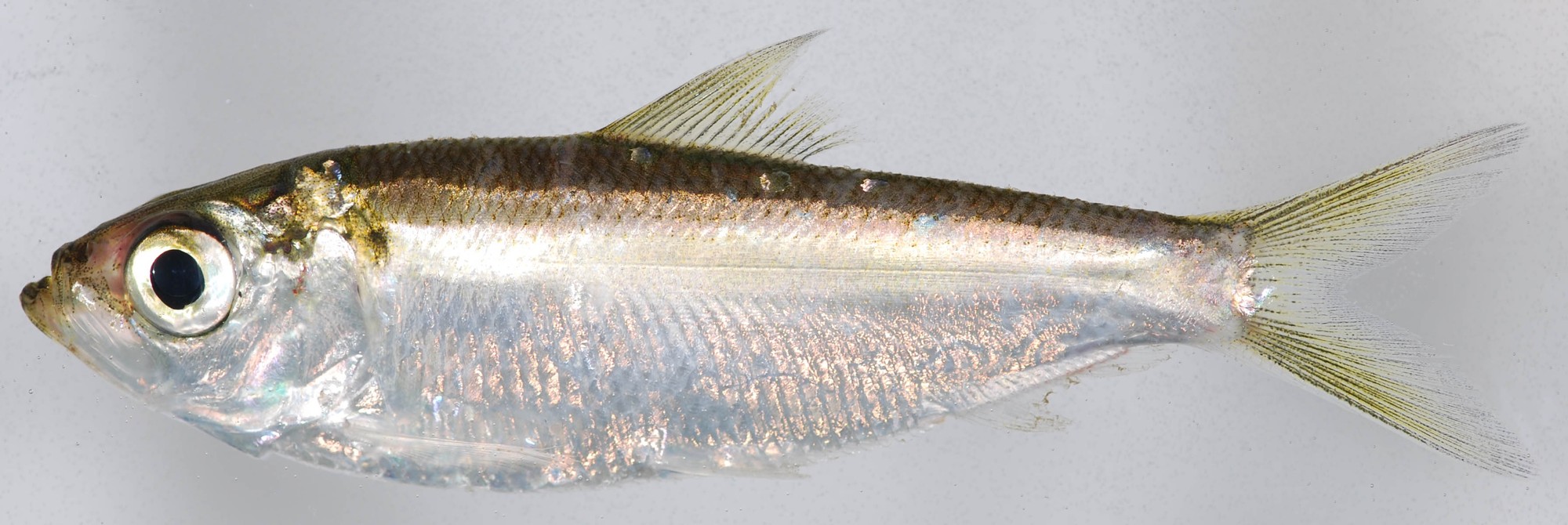
Fig. 78b.Eye larger than the snout is long
Photo: Robert Aguilar / Smithsonian Environmental Research Center, Smithsonian Environmental Research Center — CC BY 2.0
- Habitat
- Tidal rivers
- Methods
- Shore, Kayak, Freshwater
- Difficulty
- intermediate
- Eating
- Usually released
Identification
Look for
- Almost identical to blueback herring at a glance — the confirmed internal difference is the lining of the abdominal cavity (light-colored, with a few scattered spots, in alewife; solid black in blueback herring)
- Larger eye than blueback herring
- Grey-green on the back (blueback herring is blue-green)
- Alewife typically spawn earlier in spring than blueback herring, though timing overlaps
Local waters
Tidal-river tributaries during the spring spawning run
Catchable both from shore (bank/shore) and by boat (kayak).
When to fish
Spring spawning runs up Hampton Roads-area tidal-river tributaries, alongside blueback herring and shad — must be released immediately if caught, not a species to fish for.
Tide stage for this kind of water
Moving water at bends and creek mouths
From: Reading tides without overthinking themWater temperature
The water, not the calendar, sets the season here — a warm October or a cold snap moves these bands.
Water temperature and the seasonsHow to catch it
Catchable both from shore (bank/shore) and by boat (kayak). Technique notes for this species have not been written yet; the baits and rigs below are the documented starting points.
Handling and release
Not a food-use species in this guide (catch-and-release or restricted) — release.
- Collectively known with blueback herring as 'river herring' — both species have been under a Virginia-wide harvest moratorium since January 1, 2012 (4VAC20-1260-30): it is unlawful to catch and retain possession of any river herring from Virginia tidal waters. Any river herring caught incidentally must be released immediately. 'River Herring' is deliberately NOT used as an alias for this single species, since it genuinely names the pair collectively — aliasing it to just alewife would misrepresent blueback herring.
Where to try
Water that suits alewife
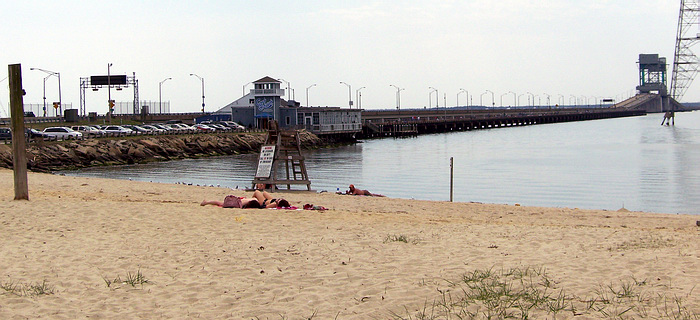
Photo Mytwocents, CC BY-SA 3.0
Fishing pierShorelineHabitat matchJames River pier & shoreline
Long tidal-river pier reaching out over deep water, mixing saltwater panfish with tidal-river species.
5 speciesFamily-friendlyAccessible featuresRestrooms- No verified photo yet36.82° N 76.29° WShorelineParkHabitat match
Portsmouth city park shoreline
Urban tidal-river access with parking, restrooms, and level ground — a practical after-work or with-kids option.
4 speciesFamily-friendlyAccessible featuresRestrooms - No verified photo yet36.57° N 76.28° WShorelineKayak launchHabitat match
Northwest River Park
Cypress-lined blackwater — classic pickerel and bass water, quiet paddle in.
2 speciesFamily-friendlyAccessible features 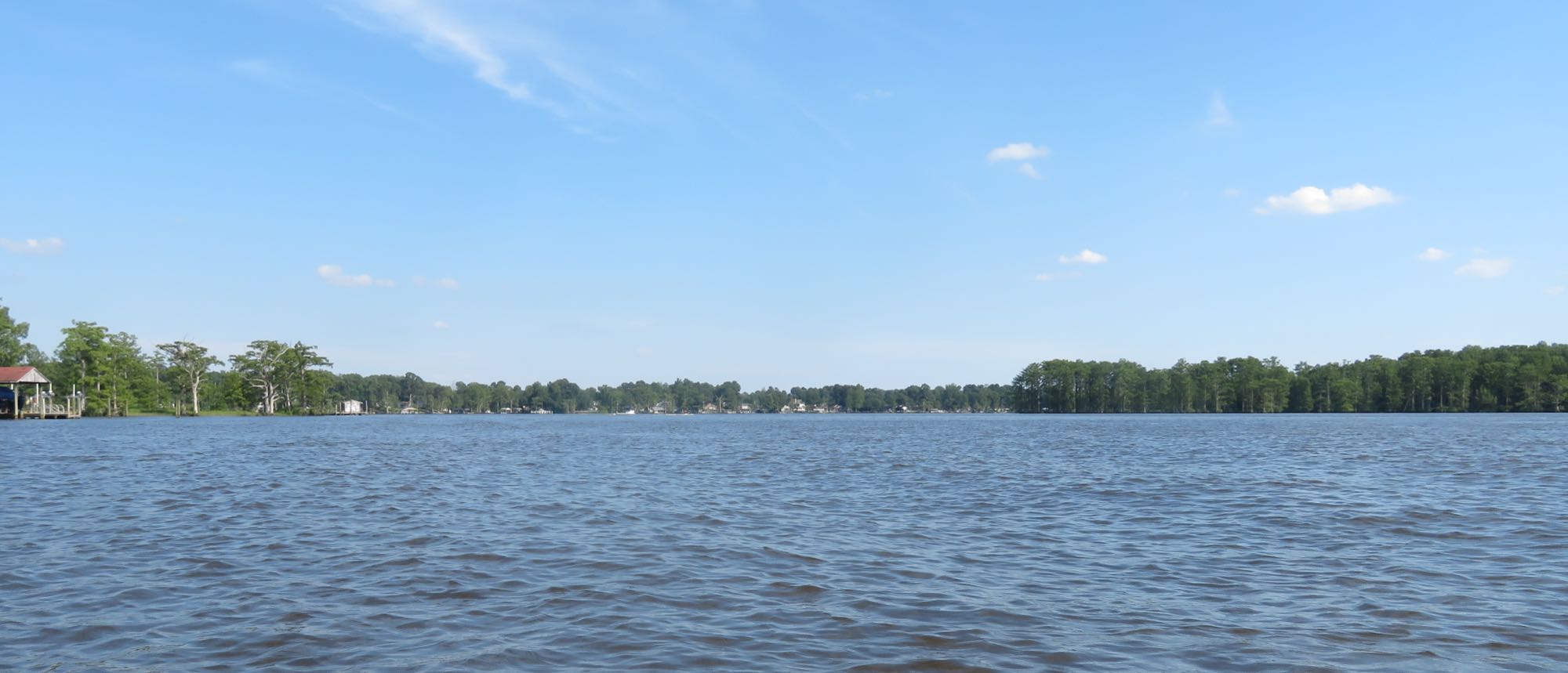
Photo David R. Bains, CC BY-SA 4.0 (representative)
ShorelineBoat rampHabitat matchChickahominy riverfront access
Tidal freshwater river with ramps, wide flats, and cypress shoreline — a strong bridge between fresh and brackish fishing.
3 speciesFamily-friendlyAccessible featuresRestrooms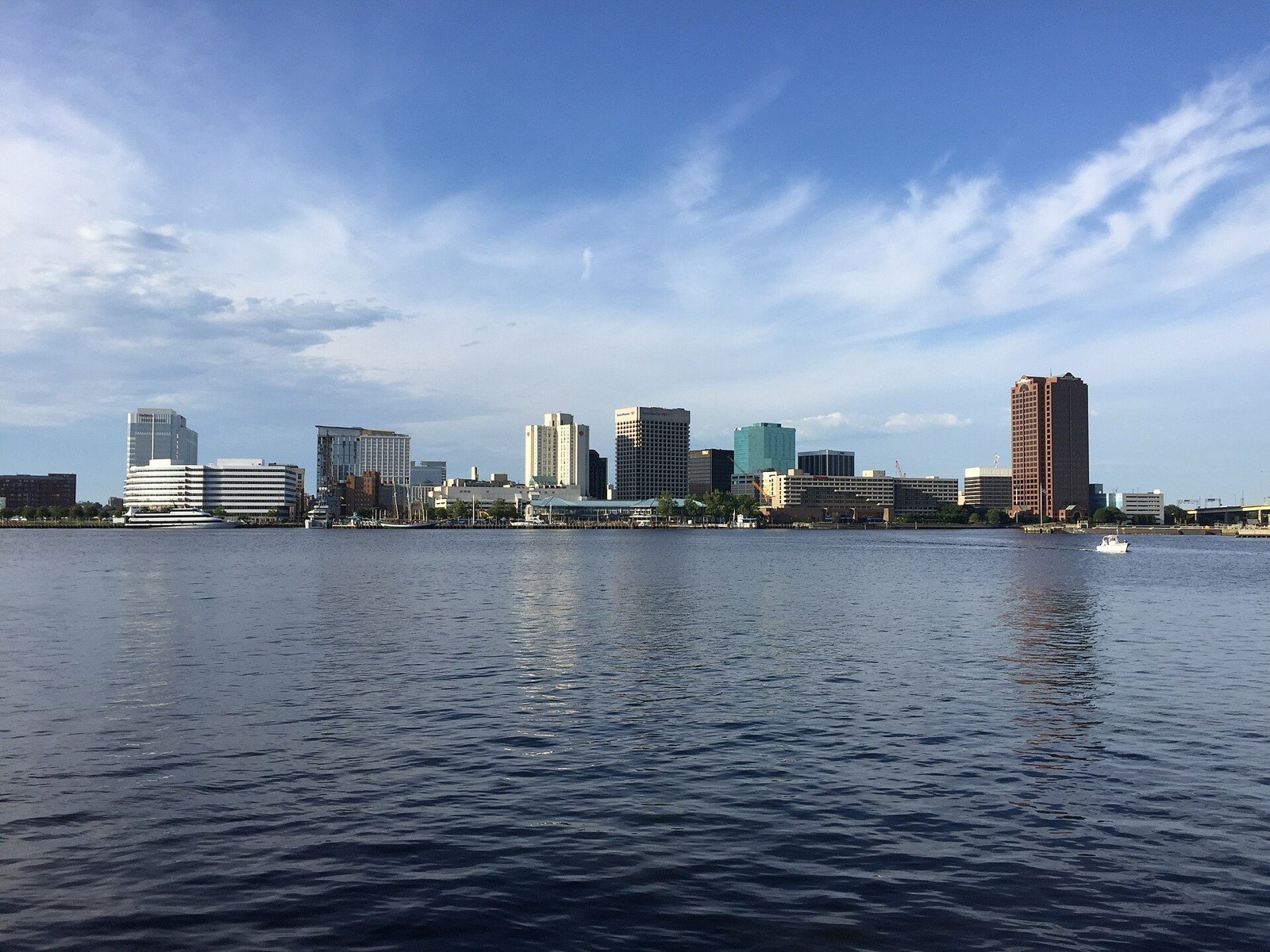
Photo Antony-22, CC BY-SA 4.0 (representative)
ShorelineKayak launchHabitat matchElizabeth River — Downtown Norfolk
Urban stripers around the piers and bridge pilings, best on the spring and fall runs.
2 speciesAccessible features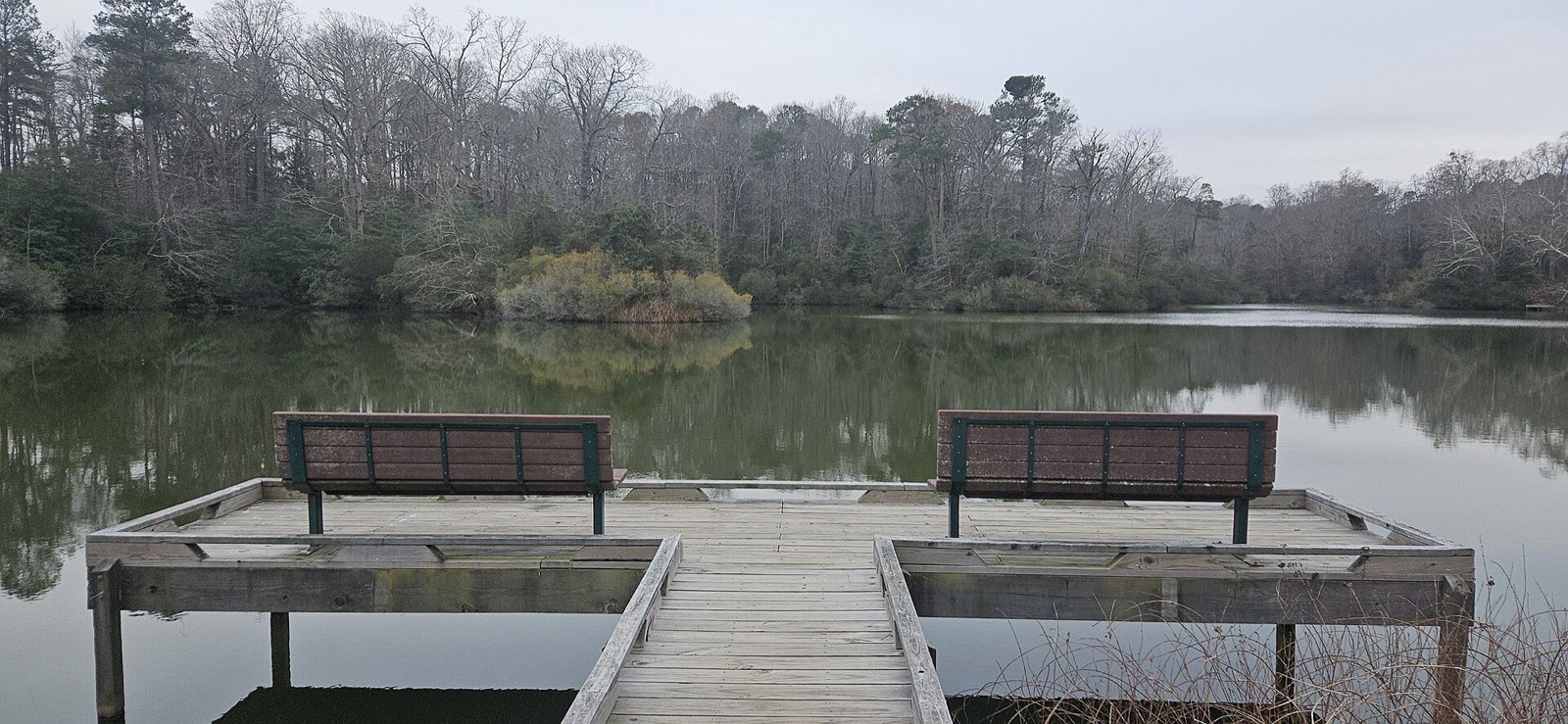
Photo OmegaFallon, CC BY 4.0
ShorelineKayak launchHabitat matchYork River State Park
Marsh-lined shoreline with easy kayak launch and steady summer bottom fishing.
3 speciesFamily-friendlyAccessible features


