False Albacore (Little Tunny)
Euthynnus alletteratus — also called albie, little tunny, fat albert
The albie — a fall-run, wormy-backed light-tackle speedster along the Virginia and Carolina coast, released by almost everyone.
Typically present
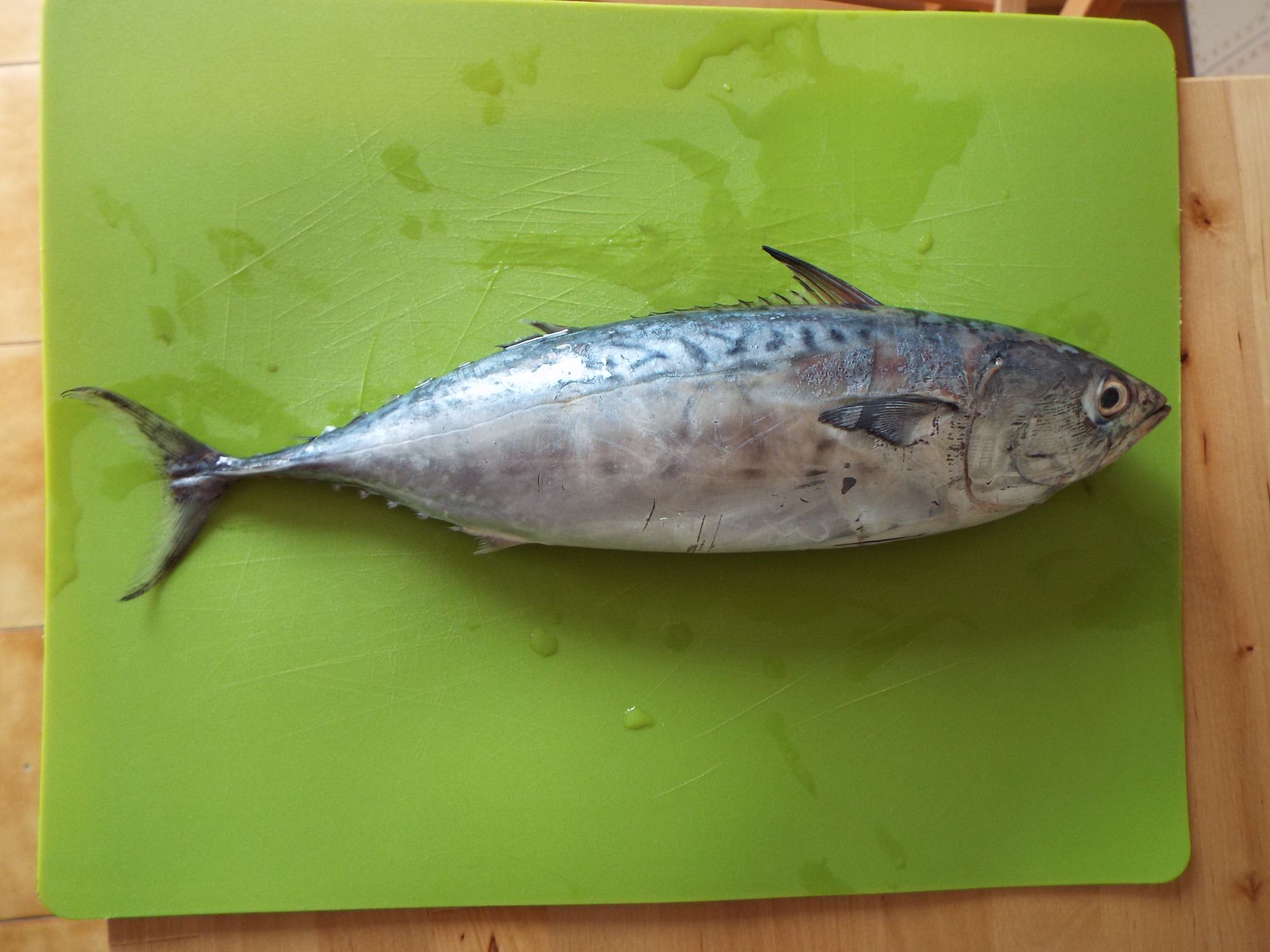
Photo: Etrusko25 — CC BY-SA 4.0
- Habitat
- Atlantic surf, Offshore waters
- Methods
- Inshore boat, Offshore
- Difficulty
- intermediate
- Eating
- Usually released
Identification
Look for
- Steel-blue back with several dark, wavy "worm-like" markings toward the tail — the single most reliable field mark
- A cluster of dark spots between the pectoral and pelvic fins
- Not a true tuna despite the name — genus Euthynnus, more closely related to mackerel than to Thunnus tunas like yellowfin or bigeye
Local waters
Nearshore and offshore coastal waters, frequently visible feeding on the surface
Primarily a boat fishery here — typically fished by inshore boat, offshore boat.
When to fish
A fall-run light-tackle gamefish along the Virginia/Carolina coast as schools migrate south — general regional knowledge, not an individually confirmed local season.
Tide stage for this kind of water
Rising through high, and the first of the fall
From: Reading the surfWater temperature
The water, not the calendar, sets the season here — a warm October or a cold snap moves these bands.
Water temperature and the seasonsHow to catch it
Primarily a boat fishery here — typically fished by inshore boat, offshore boat. Technique notes for this species have not been written yet; the baits and rigs below are the documented starting points.
Bait & lures
- Small metal jigs or epoxy flies cast into visible surface feeds
- Trolled small spoons
Handling and release
Not a food-use species in this guide (catch-and-release or restricted) — release.
- Prized as a hard-fighting light-tackle sport fish but widely regarded as poor table fare — dark, oily, strongly flavored flesh. Most anglers release false albacore rather than keep them; this guide follows that same convention rather than presenting it as a standard food fish. No Atlantic-HMS permit applies; a standard Virginia saltwater fishing license covers it.
Where to try
