Atlantic Spadefish
Chaetodipterus faber
A black-barred, disc-shaped summer schooler around the Bridge-Tunnel islands, buoys, and nearshore wrecks, chummed up and caught on tiny pieces of clam or jellyball.
Typically present
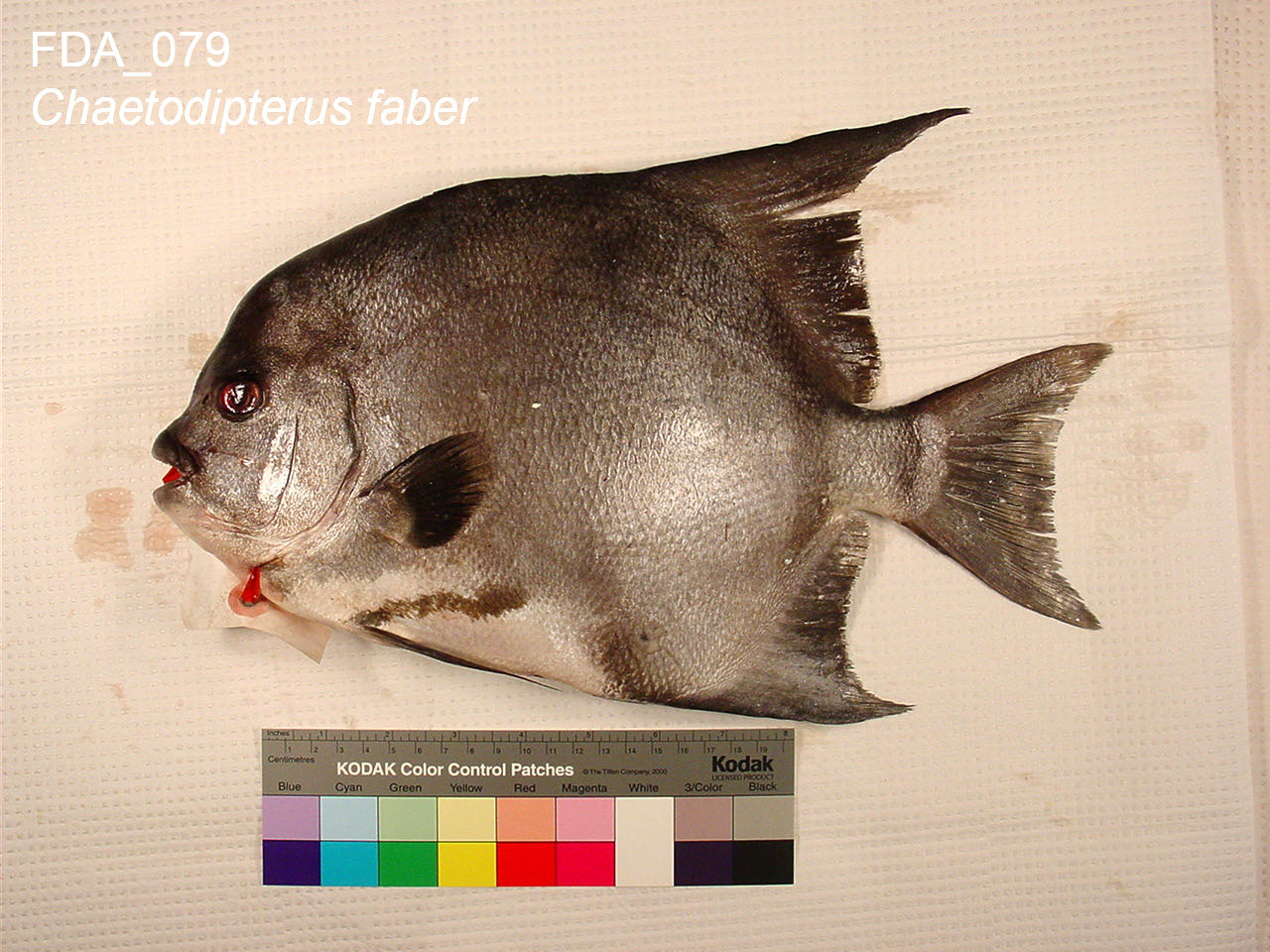
Photo: U.S. Food and Drug Administration, U.S. Food and Drug Administration — Public domainLong edge is 1280px, below this project's 1600px preference. Accepted because it is the best rights-clear, correctly-identified photo found for this species — see SPECIES_PHOTO_AUDIT.md for the source search record.
- Habitat
- Offshore waters, Bridges & shorelines
- Methods
- Inshore boat
- Typical size
- 1–3 lb
- Eating
- good
Identification
Look for
- Disc-shaped, strongly compressed silver body with four to six bold black vertical bars (bars fade on large fish)
- Small mouth, tall rounded dorsal and anal fins that give it an angelfish-like outline
- Travels in schools around pilings, buoys, and wrecks, often visible just under the surface
- Typical size here
- 1–3 lb
- Notable fish
- 6–8 lb fish around the Bridge-Tunnel islands and nearshore wrecks
Local waters
- Nearshore wrecks, reefs, and buoys
- Bridge-tunnel islands
Primarily a boat fishery here — typically fished by inshore boat.
When to fish
Summer, around nearshore structure and buoys.
Water temperature
The water, not the calendar, sets the season here — a warm October or a cold snap moves these bands.
Water temperature and the seasonsHow to catch it
- Anchor up-current of a buoy, wreck, or the Bridge-Tunnel islands and chum with clam; fish tiny pieces of clam or jellyball on a small hook, free-lined or under a float.
- Light line and a light drag — the bite is soft and the fish turn broadside and pull hard.
Bait & lures
- Small pieces of jellyfish or clam on a small hook, chummed to the surface
Tackle to start with
Rigs for atlantic spadefish
All rigsPacking lists written for it
On the table
Firm, mild white flesh often compared with sheepshead; pan-sear or grill. Confirm current limits with VMRC.
- Sharp dorsal spines; grip across the back. Bleed and ice.
Recipes written for it
Where to try
Water that suits atlantic spadefish
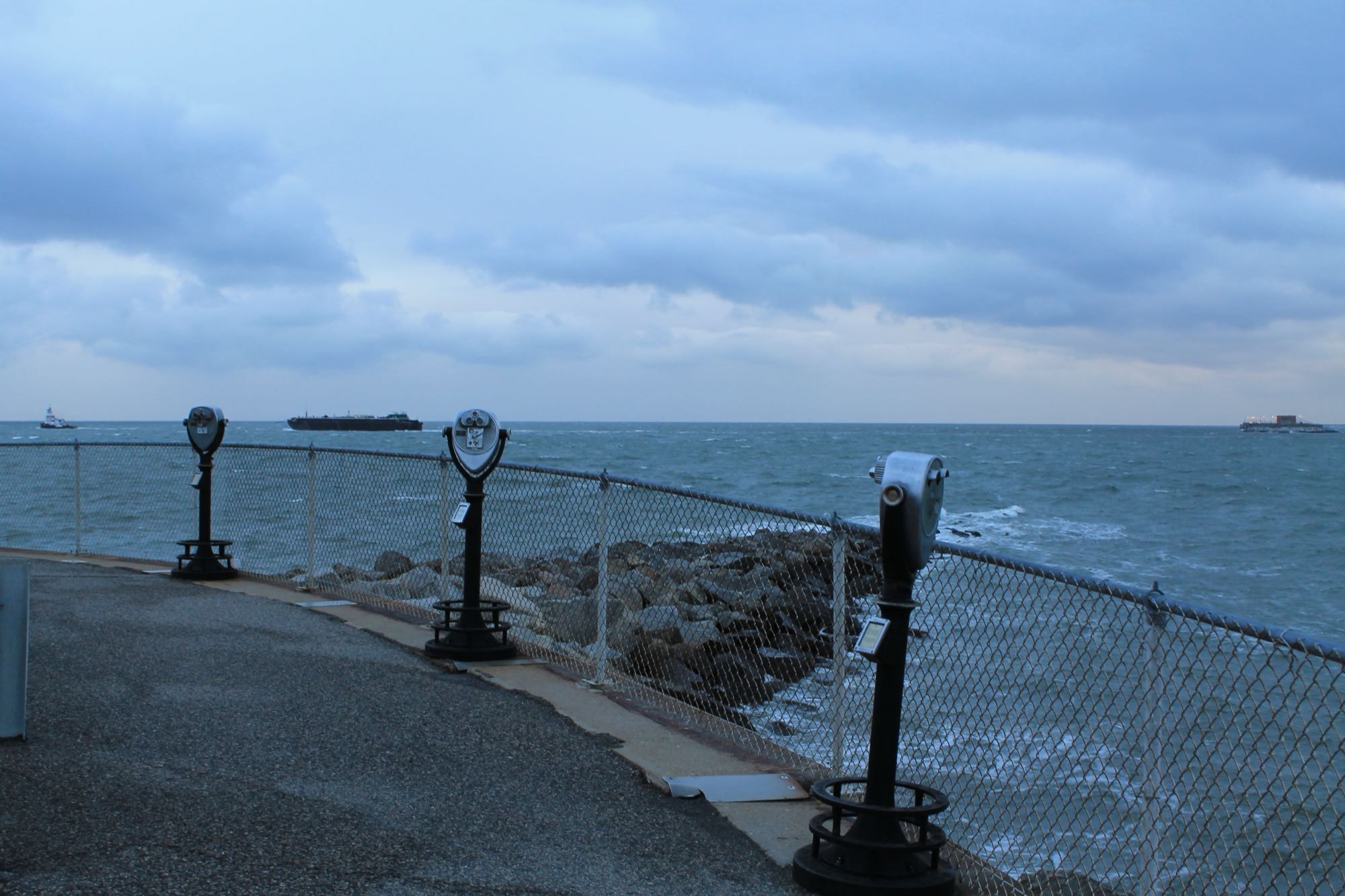
Photo Patrick Nouhailler, CC BY-SA 2.0 (representative)
Boat rampHabitat matchBay-mouth bridge structure (boat)
Miles of pilings, rubble, and channel edges at the Bay mouth — the region's premier structure fishery, boat access only.
6 species- No verified photo yet36.82° N 76.29° WShorelineParkHabitat match
Portsmouth city park shoreline
Urban tidal-river access with parking, restrooms, and level ground — a practical after-work or with-kids option.
4 speciesFamily-friendlyAccessible featuresRestrooms
