Florida Pompano
Trachinotus carolinus
A deep-bodied, silver-gold surf fish that runs the Virginia beaches late in the summer, eats sand fleas in the trough, and is among the best fish on a plate.
Typically present
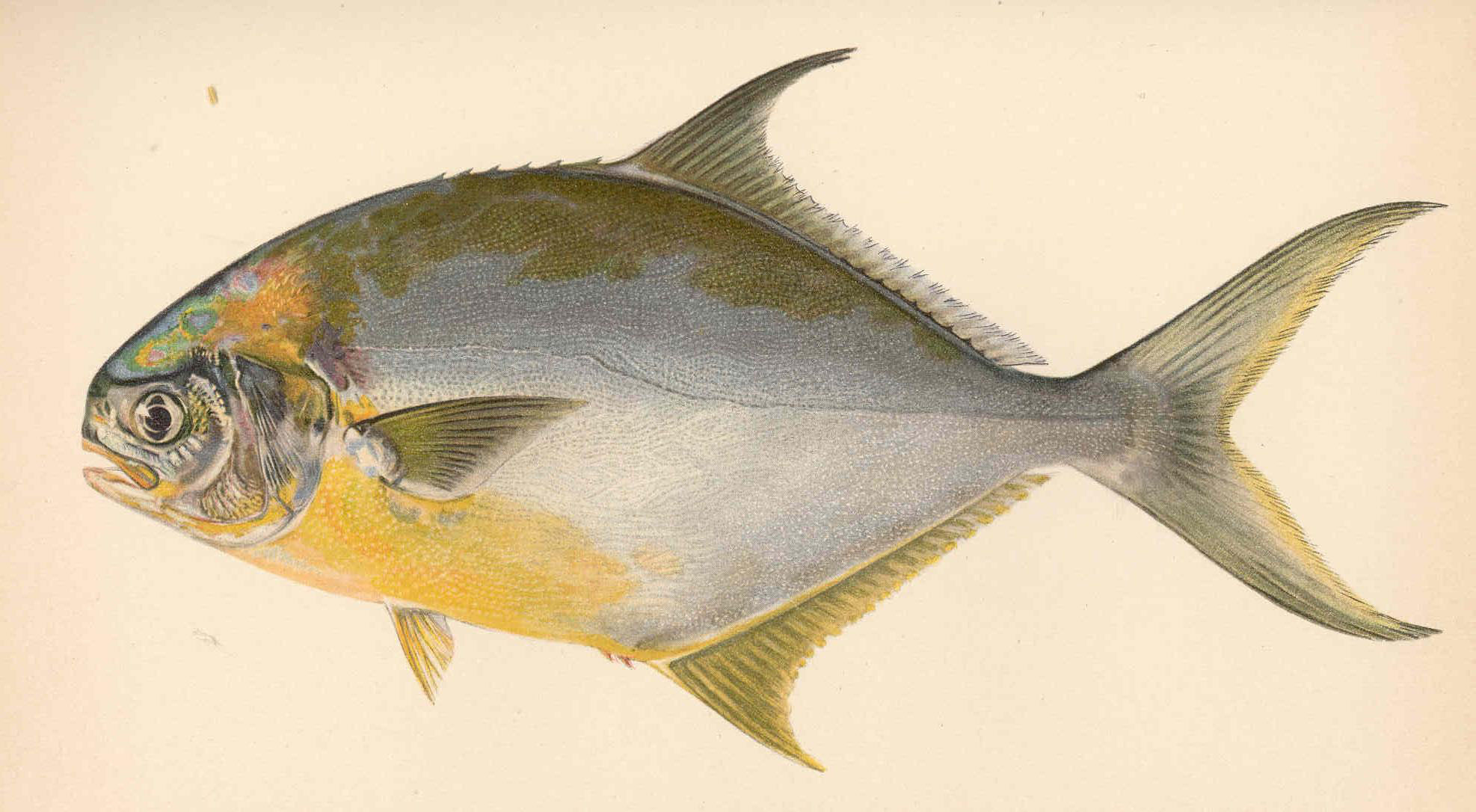
Illustration: Barton Warren Evermann (Freshwater and Marine Image Bank) — Public domain
- Habitat
- Atlantic surf, Inlets
- Methods
- Surf, Pier, Shore
- Typical size
- 1–2 lb
- Eating
- good
Identification
Look for
- Deep, compressed silver body with a blunt, rounded forehead and a yellow to gold tint on the belly and lower fins
- Deeply forked tail and long, sickle-shaped anal and second dorsal fins
- No spots, bars, or scutes along the tail base — the similar jacks have hard scutes
- Typical size here
- 1–2 lb
- Notable fish
- 2–3 lb fish late in the season
Local waters
- Surf troughs and sandbars
- Inlets during migration
A shore fishery here — typically fished from surf, pier, no boat required.
When to fish
Late summer into fall, as fish move along the surf during migration.
Tide stage for this kind of water
Rising through high, and the first of the fall
From: Reading the surfWater temperature
The water, not the calendar, sets the season here — a warm October or a cold snap moves these bands.
Water temperature and the seasonsHow to catch it
- Sand fleas (mole crabs) or fresh shrimp on a pompano rig — small circle hooks with a bright bead or float — fished in the trough on a rising tide.
- Walk the beach at low tide to find cuts and troughs, then fish them as the water comes up.
Bait & lures
- Sand fleas (mole crabs)
- Small pompano rigs with beads or floats
Tackle to start with
Rigs for florida pompano
All rigsPacking lists written for it
On the table
Rich, buttery, firm white flesh — among the best-eating surf fish; grill or broil whole. Confirm current limits with VMRC.
- Handle gently and ice immediately; the rich flesh is at its best within a day.
Recipes written for it
Where to try
Water that suits florida pompano
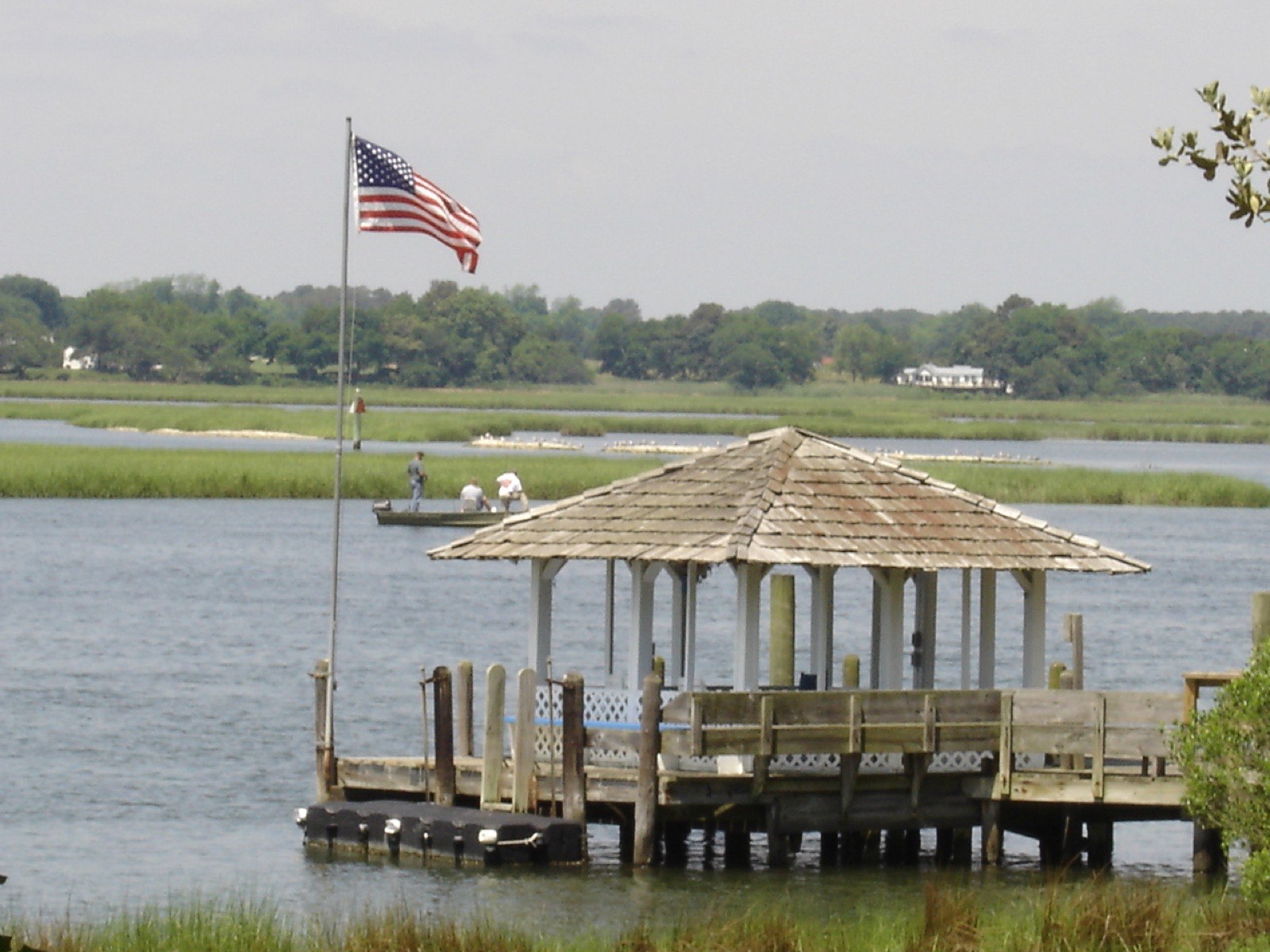
Photo BrandlandUSA, Public domain (representative)
ShorelineKayak launchHabitat matchLynnhaven Inlet — Boat Ramp & Beach Facility
The historic Lynnhaven Fishing Pier closed in 2017 and was sold — today's public access is the city's Lynnhaven Boat Ramp & Beach Facility, plus some bank fishing along the beach and riprap.
3 speciesAccessible features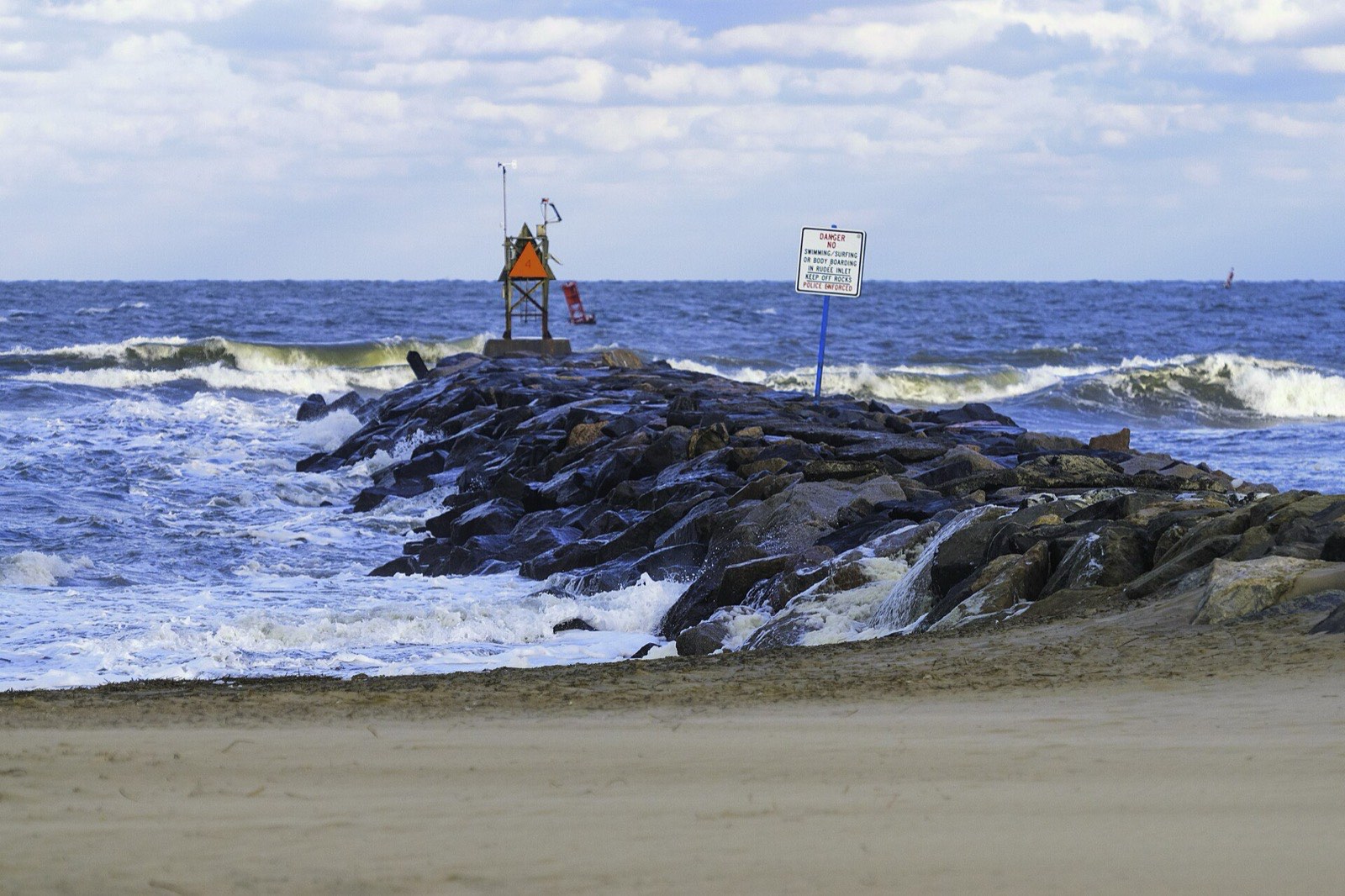
Photo PumpkinSky, CC BY-SA 3.0
ShorelineBeachHabitat matchRudee Inlet jetty & shoreline
Hard structure meeting ocean current — a technical spot that rewards anglers who read moving water.
6 speciesRestrooms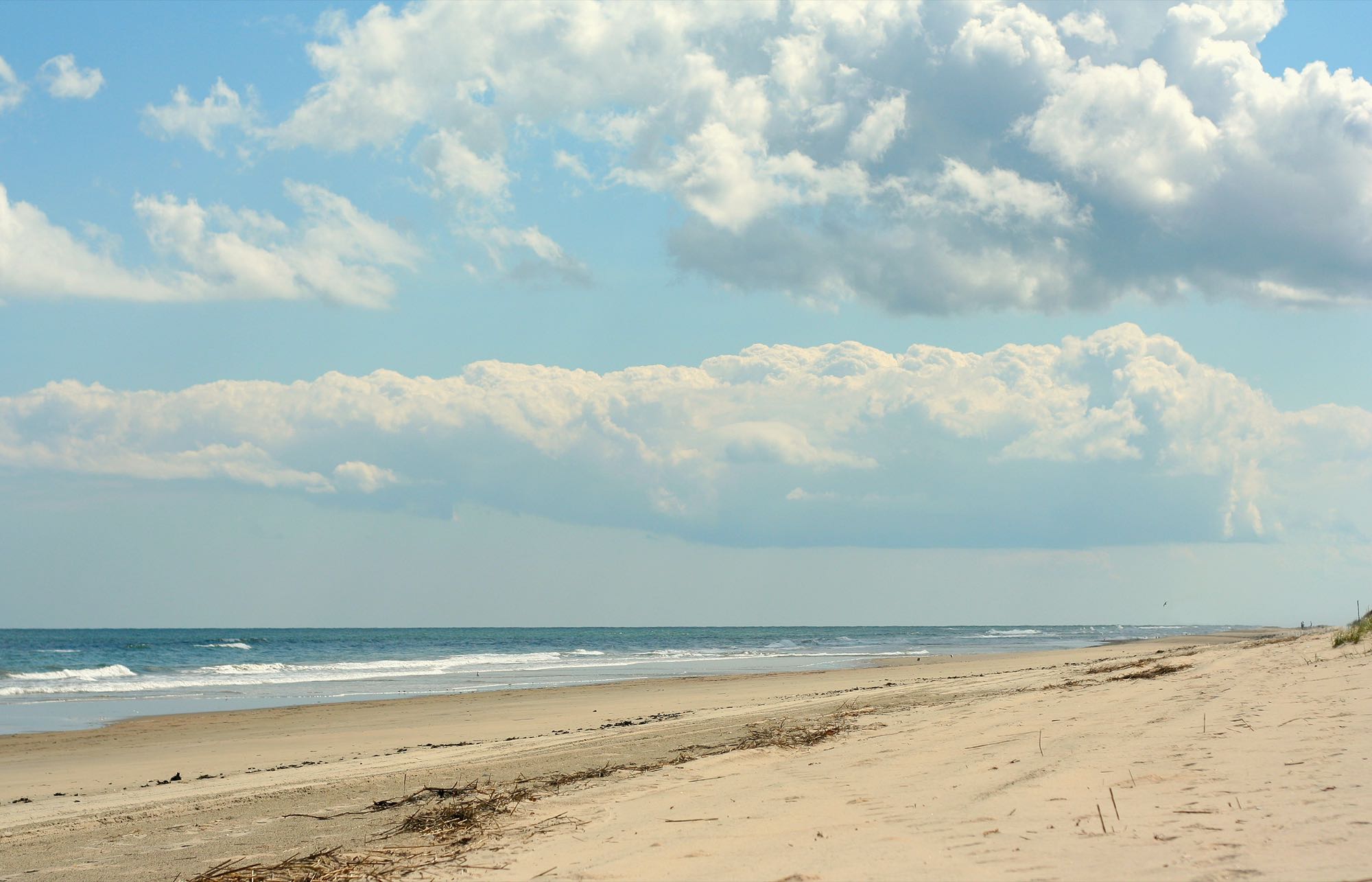
Photo Brent Hoard, CC BY 2.0
BeachHabitat matchSandbridge Beach surf
Open Atlantic beach with sandbars, troughs, and cuts — classic surf fishing with plenty of room to spread out.
4 speciesFamily-friendlyRestrooms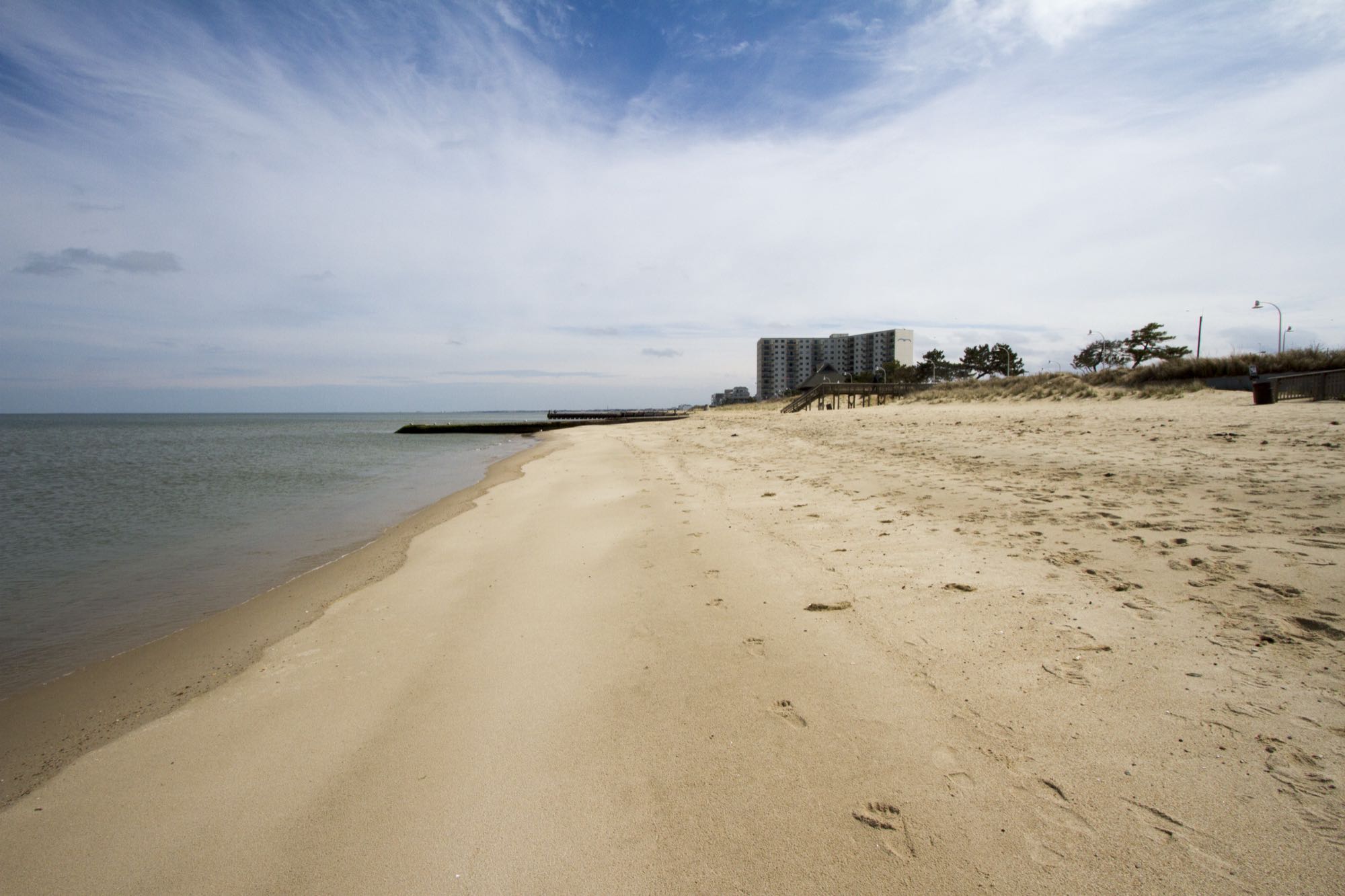
Photo Patrick Bloodgood / U.S. Army Corps of Engineers, Norfolk District, Public domain
ShorelineBeachHabitat matchWilloughby Spit shoreline
Narrow Bay-front spit near major structure — walkable shoreline with surprising depth close to the beach.
4 speciesFamily-friendly- No verified photo yet37.11° N 76.32° WBeachShorelineHabitat match
Grandview Nature Preserve shoreline
A long walk-in Bay shoreline backed by marsh — solitude, wading depth, and a genuinely wild feel inside the city.
5 speciesFamily-friendly


